
Trees
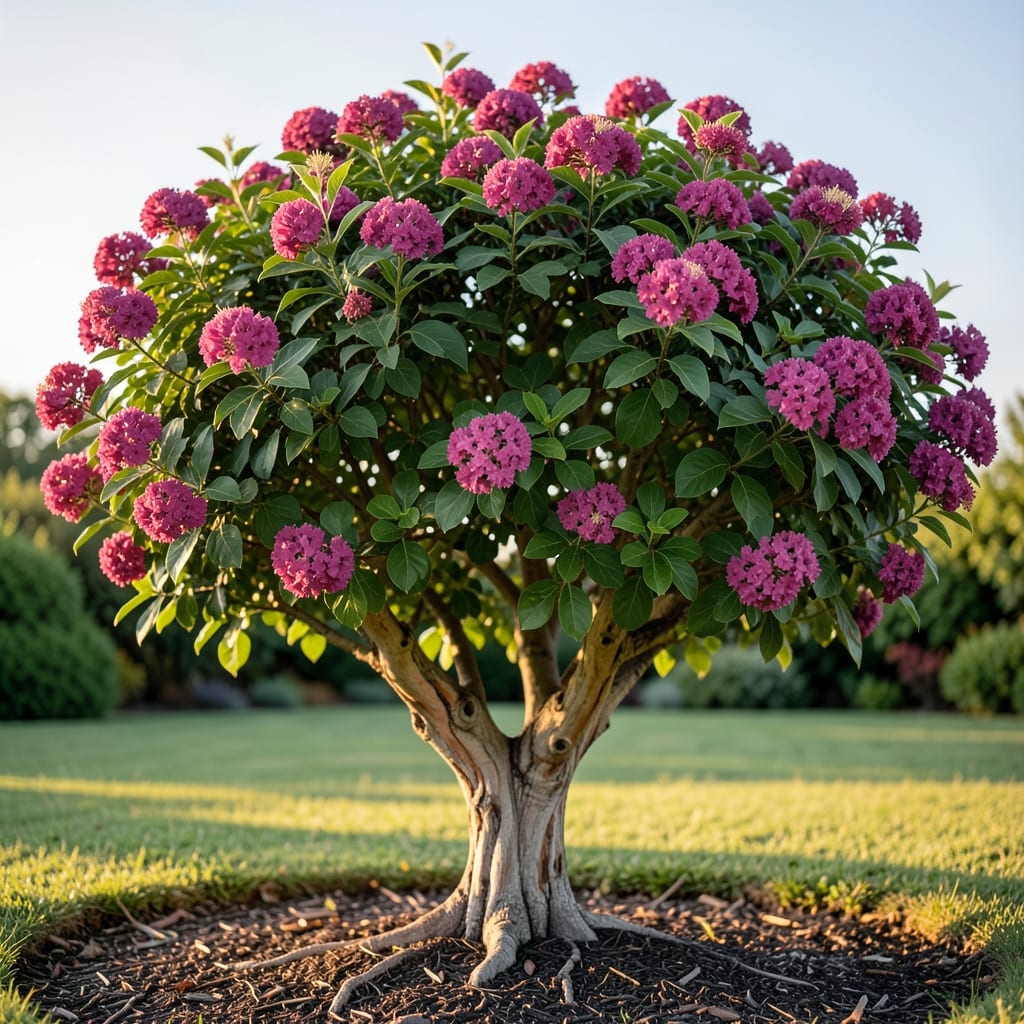
If you're dreaming of adding a stunning 🌸 Crepe Myrtle Tree to your yard but wondering how tall it might grow, the answer depends more on the variety you choose than you'd think. Some dwarf types stay compact at just 6 feet, while others can shoot up to tower over 30 feet—making them perfect for both small gardens and large landscapes.
The key to controlling their height lies in understanding the differences between cultivars and how pruning techniques can shape their growth. Whether you're working with USDA Zone 6a conditions or warmer climates, knowing which type fits your space is the first step to avoiding an unexpected giant in your backyard.
Let's break down the exact height ranges for popular varieties and share practical tips for managing growth. You'll discover how to keep your Crepe Myrtle Tree at your ideal height while still enjoying its beautiful blooms and lush foliage.
From the smallest dwarf varieties perfect for containers to the grand standard types that make a statement, we'll cover everything you need to know. Plus, learn when and how to prune for the best results—so you can enjoy this versatile tree without any surprises.


Crepe Myrtle tree height by variety: exact growth ranges for popular cultivars
Choosing the right Crepe Myrtle Tree variety is the first step to controlling its height. Some cultivars stay under 6 feet, perfect for small gardens or containers, while others reach 30 feet or taller, making them statement pieces for large landscapes. The key is selecting a variety that matches your space and growth goals.
For example, the 'Tonto' variety tops out at just 6-8 feet, ideal for urban patios, while 'Arapaho' can soar to 20-25 feet, perfect for park-like settings. Each variety has distinct growth habits, so let's explore the most popular options to help you make an informed choice.
🌸
| Variety | Mature Height (ft) | Growth Rate | Best For |
|---|---|---|---|
| 'Tonto' | 6-8 | Slow | Containers, small yards |
| 'Natchez' | 10-15 | Moderate | Medium landscapes |
| 'Arapaho' | 20-25 | Fast | Large yards, privacy screens |
| 'Muskogee' | 15-20 | Moderate | Backyard focal points |
| 'Catawba' | 25-30 | Fast | Park-like settings |
| 'Sioux' | 12-18 | Moderate | Urban streetscapes |
| 'Yankee Doodle' | 10-12 | Slow | Small to medium yards |
The 'Tonto' variety is one of the best choices for small spaces, staying under 8 feet even at maturity. This makes it perfect for container gardening or as a focal point in tight urban yards. Its slow growth rate also means less frequent pruning, saving you time and effort.
If you're looking for a medium-height option, 'Natchez' and 'Yankee Doodle' are excellent picks, reaching 10-15 feet. These varieties strike a balance between manageable size and dramatic visual impact, making them ideal for front yards or as accent trees near patios.
For those with larger properties, 'Arapaho' and 'Catawba' are powerhouses, growing up to 30 feet and providing shade and privacy. Their fast growth rate means they'll quickly fill out your landscape, but they require regular pruning to maintain their shape and health.
When selecting a variety, consider not just the mature height but also the growth rate and spread. Some varieties, like 'Sioux', have a narrower canopy, making them better for tight spaces, while others, like 'Muskogee', have a wider spread that works well as a shade tree.
🌿
Another factor to keep in mind is the climate zone. In USDA Zone 6a, where many gardeners plant Crepe Myrtles, the 'Natchez' variety thrives, reaching its full height of 10-15 feet within 5-7 years. In warmer zones, like Zone 8 or 9, varieties like 'Catawba' grow even faster, so plan accordingly.
If you're unsure which variety to choose, start with a smaller cultivar like 'Tonto' or 'Yankee Doodle'. These are low-maintenance and give you a chance to test how Crepe Myrtles perform in your specific conditions before committing to a larger variety.
Once you've selected your variety, the next step is understanding how to manage its growth through pruning. Proper pruning not only controls height but also encourages healthier blooms and a more attractive shape. We'll cover the best techniques in the next section.
How pruning controls Crepe Myrtle height: best techniques for small yards vs. large landscapes
Once you've chosen your Crepe Myrtle Tree variety, pruning becomes your most powerful tool for controlling height. Whether you want to keep your tree compact for a small yard or encourage its natural majesty in a large landscape, the right techniques make all the difference. The key is understanding when and how to prune—because cutting at the wrong time can actually stimulate unwanted growth or harm your tree's health.
For small yards, the goal is to maintain a manageable height while preserving the tree's natural shape. This means focusing on heading back (cutting just above a leaf node) during the dormant season (late winter or early spring) to control vertical growth. Avoid heavy pruning in summer, as this can encourage weak, leggy growth and reduce next year's blooms.
🌿
- 📅 Timing: Prune in late winter/early spring (before buds swell) or immediately after flowering (summer). Never prune in fall—this can stimulate tender new growth that won't survive winter.
- ✂️ Tools: Use clean, sharp pruners for cuts under 1 inch and loppers for thicker branches. Sterilize tools with rubbing alcohol to prevent disease spread.
- 🌱 Technique: For height control, cut just above a leaf node (the bump where leaves attach) to encourage branching. Avoid "heading back" too drastically—never remove more than 1/3 of the tree's height in one season.
- 🌳 For Large Trees: Use pollarding (cutting back to a main branch or trunk) in late winter to maintain height while encouraging dense foliage. This works best for varieties like 'Arapaho' or 'Catawba'.
- 🚫 Avoid: Never remove water sprouts (suckers) from the trunk—these can become future leaders. Also, avoid topping (cutting the main stem flat), which creates ugly stubs and weak growth.
- 💧 Post-Pruning Care: Water deeply after pruning to reduce stress. Apply mulch around the base (but not touching the trunk) to retain moisture and protect roots.
If you're working with a large landscape, you might opt for a more hands-off approach while still guiding growth. For varieties like 'Catawba' that can reach 30 feet, focus on structural pruning during dormancy to remove crossing branches or those growing inward. This improves airflow and sunlight penetration while maintaining the tree's natural grandeur.
One common mistake gardeners make is pruning too late in the season. Summer pruning should be minimal and only done to remove dead or diseased branches. If you must shape your tree in summer, limit cuts to 10% of the foliage to avoid stressing the plant before winter.
For dwarf varieties like 'Tonto', pruning is less critical but still beneficial. A light trim after flowering to remove spent blooms encourages more flowers next season. Even these compact trees benefit from occasional pruning to maintain their shape and remove any leggy growth that detracts from their neat appearance.
🪴 Remember that Crepe Myrtles bloom on new wood, so avoid heavy pruning in late summer or fall. This ensures you'll have vibrant flowers the following season. With the right pruning approach, you can enjoy your Crepe Myrtle's beauty without worrying about it outgrowing its space.