
Size
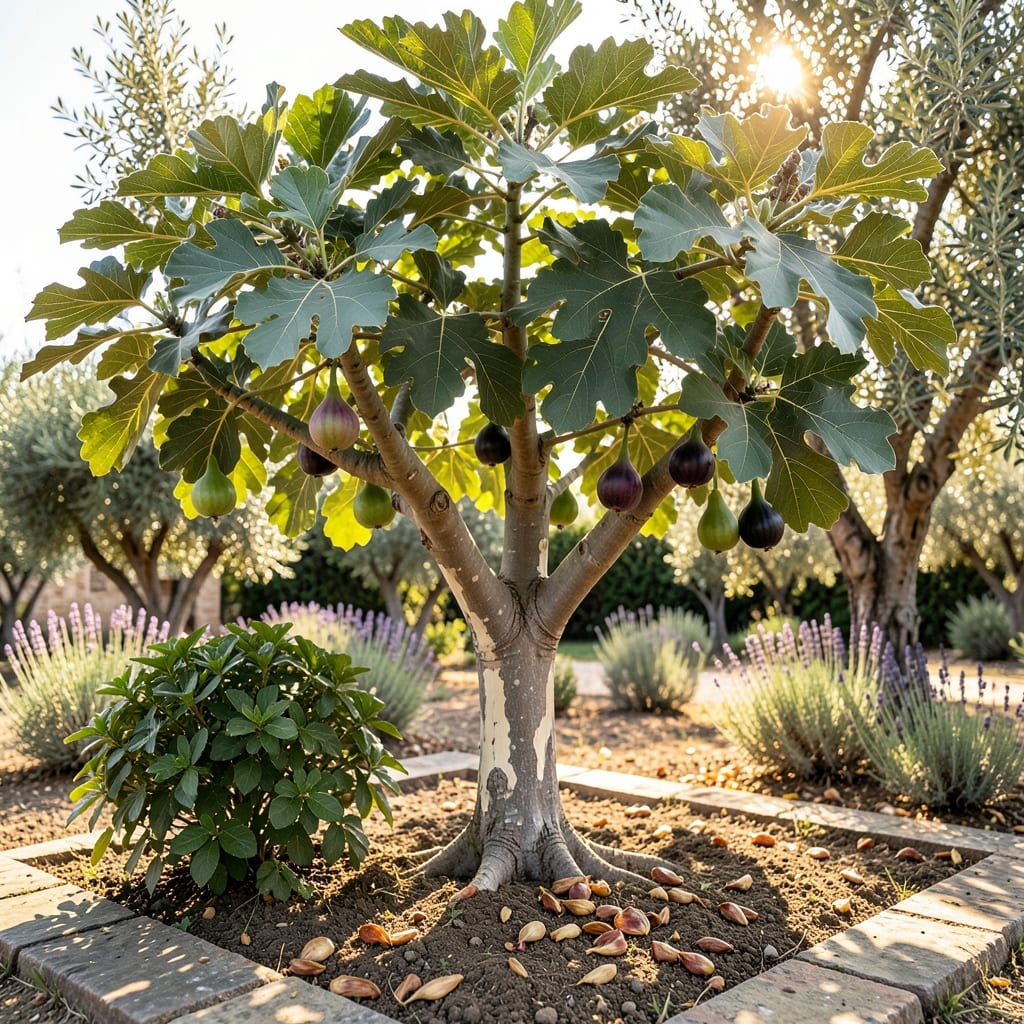
If you’ve ever planted a fig tree and wondered, "how tall can a fig tree grow," you’re not alone. Some varieties stretch toward the sky like natural skyscrapers, reaching heights of 30 feet or more, while others stay compact and manageable. The difference often comes down to the variety you choose and how you care for it.
Whether you’re dreaming of a towering 🌳 that shades your entire backyard or prefer a smaller, container-friendly option, understanding growth potential is key. Fast-growing fig trees can add 10 feet or more in just a few years, but their ultimate height depends on pruning, soil quality, and climate. Let’s break down the tallest varieties and how to encourage that vertical growth without sacrificing fruit production.
From the sprawling 'Brown Turkey' to the more restrained 'Chicago Hardy', each fig tree has its own growth story. Some thrive in USDA Zone 6a, while others need warmer climates—but with the right techniques, you can push even temperate-zone trees toward their full height potential. Ready to discover which varieties reach the sky fastest and how to give them the best shot at growing tall?
We’ll also cover when it makes sense to keep a fig tree small, whether you’re working with limited space or prefer a low-maintenance option. By the end, you’ll know exactly how to nurture your fig tree—whether it’s a sky-high giant or a cozy patio companion.


Fig tree height limits: fastest-growing varieties and their sky-high potential
If you’re wondering how tall can a fig tree grow, the answer depends entirely on the variety you choose. Some fig trees reach 30 feet or taller, while others max out at waist height. The fastest-growing varieties—like 'Brown Turkey' and 'Celeste'—can add 10 feet in just 3 years with ideal care. These sky-high giants aren’t just for warm climates either; cold-hardy types like 'Chicago Hardy' can still grow tall in USDA Zone 6a.
The secret to their rapid growth lies in their natural vigor and adaptability. Fig trees thrive in full sun and well-draining soil, which fuels their vertical expansion. Without proper pruning or space restrictions, some varieties will naturally grow into 20-foot-tall trees, shading entire backyards. But before you let yours reach for the sky, consider your space and maintenance goals—taller trees require more pruning and support.
Here’s a quick look at the tallest fig tree varieties and their growth potential:
| Variety | Mature Height | Growth Rate | Climate Zone | Notes |
|---|---|---|---|---|
| Brown Turkey | 25-30 ft | 10 ft/3 years | 7-10 | Fastest-growing; needs pruning |
| Celeste | 20-25 ft | 8 ft/3 years | 8-10 | Cold-hardy; prolific fruit |
| Violette de Bordeaux | 15-20 ft | 6 ft/3 years | 9-10 | Disease-resistant; compact growth |
| Chicago Hardy | 12-15 ft | 5 ft/3 years | 4-8 | Cold-tolerant; slow but steady |
| Little Miss Figgy | 6-8 ft | 3 ft/3 years | 7-10 | Dwarf variety; container-friendly |
The 'Brown Turkey' variety is the undisputed champion for height, often reaching 30 feet without intervention. If you’re growing it in a backyard, plan for pruning every 1-2 years to manage its size and shape. Without pruning, it can become unruly, with sprawling branches that need support. For smaller spaces, 'Celeste' is a great middle-ground option, offering 20 feet of height while remaining slightly more manageable.
Climate plays a huge role in how tall your fig tree grows. In warmer zones (8-10), figs grow faster and taller, while in cooler zones (6a), varieties like 'Chicago Hardy' may max out at 12-15 feet but still produce abundant fruit. Soil quality also matters—fig trees need well-draining, slightly alkaline soil to reach their full potential. Amend heavy clay with compost or sand to encourage deeper root growth, which supports taller stems.
One common myth is that fig trees only grow tall in hot, dry climates. While they prefer warmth, many varieties—like 'Celeste'—thrive in temperate zones with proper care. The key is to water deeply during droughts and mulch heavily to retain moisture. Even in cooler climates, a well-cared-for fig tree can hit 15-20 feet within 5-7 years.
If you’re aiming for a sky-high fig tree, start with a fast-growing variety and provide full sun exposure. Avoid over-fertilizing with nitrogen, as this encourages leafy growth over height. Instead, use a balanced 5-10-10 fertilizer in early spring to support strong structural growth. With the right conditions, your fig tree could be shading your patio—or even your neighbor’s—before you know it!
🌳
Fig tree height limits: fastest-growing varieties and their sky-high potential
Fig trees are among the most dramatic growers in any garden, with some varieties reaching 30 feet or taller under ideal conditions. The 'Brown Turkey' variety, for example, can grow 20-25 feet in just 5-7 years with proper care, while 'Celeste' and 'Violette de Bordeaux' often exceed 20 feet in height. These aren’t just tall—they’re architectural statements in your landscape, offering shade and fruit for decades.
But not all fig trees are created equal. Some, like the 'Chicago Hardy', max out around 15 feet even in perfect conditions, making them better suited for smaller yards. The key to unlocking a fig tree’s full height potential lies in understanding its genetics, climate, and care routine. In warmer climates (USDA Zones 8-11), figs grow faster and taller, while colder zones may see slower growth unless you choose cold-hardy varieties.
Here’s a quick look at the tallest fig tree varieties and what to expect from each:
| Variety | Mature Height | Growth Rate (Per Year) | Climate Suitability |
|---|---|---|---|
| Brown Turkey | 20-25 ft | 3-5 ft | Zones 7-11 |
| Celeste | 18-22 ft | 2-4 ft | Zones 8-11 |
| Violette de Bordeaux | 20-25 ft | 4-6 ft | Zones 7-11 |
| Chicago Hardy | 12-15 ft | 1-3 ft | Zones 4-8 |
| Osborn Prolific | 15-20 ft | 3-5 ft | Zones 6-10 |
Note: Growth rates vary by climate, soil quality, and care.
The 'Brown Turkey' and 'Violette de Bordeaux' are the fastest growers, often adding 4-6 feet per year in ideal conditions. These varieties thrive in full sun and well-draining soil, and they reward gardeners with both height and abundant fruit. If you’re in a cooler climate (Zone 6a), the 'Osborn Prolific' is a fantastic middle-ground option, balancing height and cold hardiness.
Soil type plays a huge role in height potential. Fig trees despise soggy roots, so sandy loam or rocky soil with excellent drainage is ideal. Amending clay soil with compost and perlite can make the difference between a stunted tree and a sky-reaching giant. In my own garden, I’ve seen 'Celeste' figs grow 50% taller in amended soil compared to their neighbors in heavy clay.
Pruning also shapes a fig tree’s height. If you want a taller tree, avoid heavy pruning of the main trunk—focus instead on removing suckers and crossing branches to encourage vertical growth. For fruit production, prune in late winter to shape the tree while it’s dormant, but leave enough foliage to fuel its upward reach. With the right variety, soil, and pruning strategy, your fig tree could easily become the tallest plant in your yard—and the envy of the neighborhood.