
How To
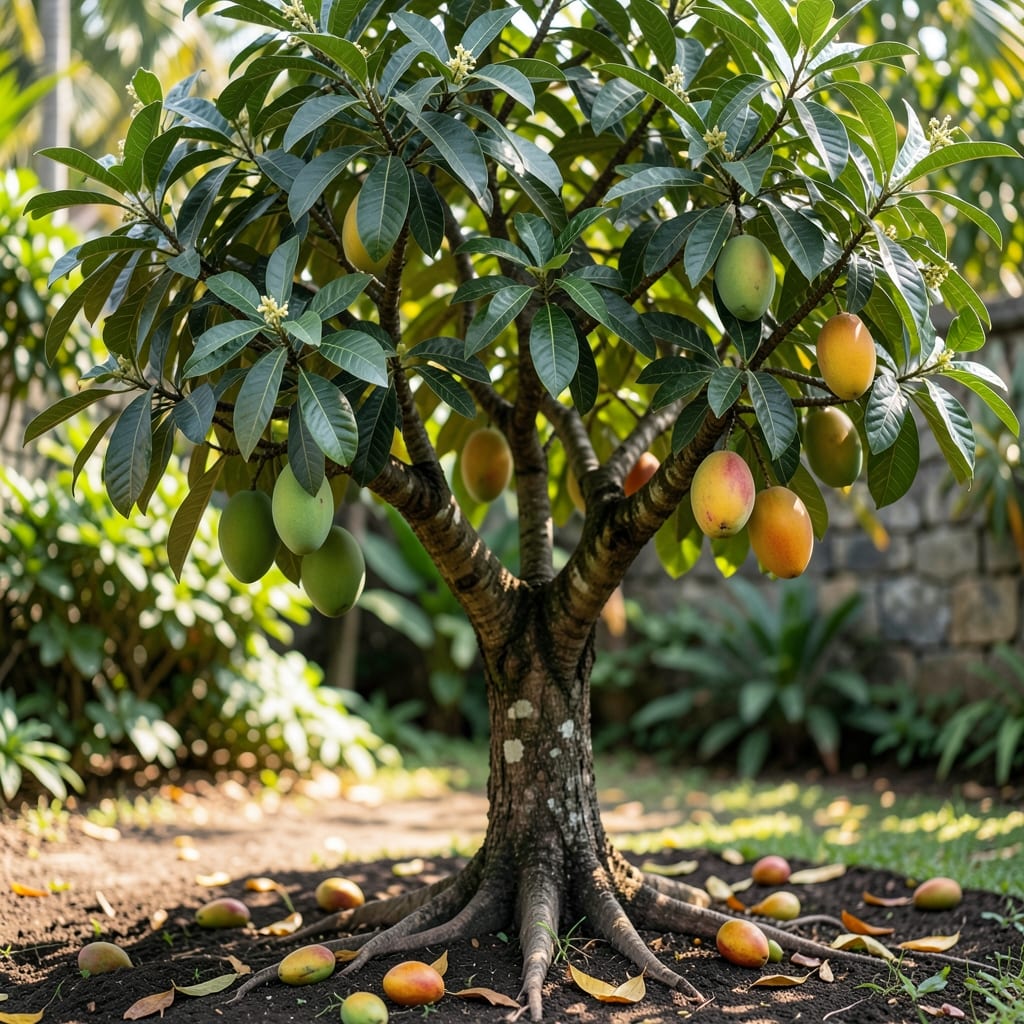
How tall can a mango tree grow? If you’ve ever imagined a 🥭 tree reaching the sky in your backyard, you’re not alone—but the answer might surprise you. Some varieties stretch over 100 feet, while others stay compact enough for even small gardens. The difference comes down to the type you choose and how you care for it.
Standard mango trees can become towering giants, but dwarf varieties stay manageable at just 10–20 feet. Whether you’re dreaming of a shady canopy or a fruit-bearing tree in a pot, the right variety makes all the difference. Let’s break down what to expect and how to keep your tree at your desired height.
Climate plays a huge role—tropical zones let mango trees grow wild and tall, while cooler microclimates may slow their ascent. Pruning and soil quality also shape their size, giving you control over whether your tree becomes a skyscraper or a backyard staple.
Ready to plant? I’ll show you how to pick the perfect variety for your space and keep it healthy—no matter how tall (or short) you want it to be. Let’s get growing!

Mango tree height by variety: from dwarf to giant varieties explained
If you’re wondering how tall can a mango tree grow, the answer depends entirely on the variety you choose. Standard mango trees can reach 30–100 feet—taller than a three-story building—while dwarf varieties stay between 10–20 feet, perfect for small yards or containers. The right choice makes all the difference for your space and fruit production.
For example, the Alphonso variety, popular in India, grows 60–80 feet in ideal tropical conditions, while the Keitt variety tops out around 50–70 feet. These giants need ample space, but their sweet, juicy fruit is worth the wait. On the other hand, dwarf mango trees like the Cogshall or Julie varieties stay compact, making them ideal for urban gardens or patios.
Here’s the key: dwarf varieties are grafted onto smaller rootstock, while standard trees grow wild unless pruned. Whether you want a backyard giant or a potted treasure, the variety sets the stage for your mango tree’s future height.
Dwarf varieties like Cogshall or Julie are perfect if you’re limited on space. They produce fruit just like their taller cousins but stay manageable with minimal pruning. Meanwhile, standard varieties like Alphonso or Haden thrive in tropical climates where they can reach their full 60–100-foot potential.
If you’re in a USDA Zone 10–11, you can grow almost any variety, but cooler zones (like Zone 9b) may struggle with taller types. In these areas, dwarf or semi-dwarf varieties are your best bet for consistent fruit production without the sky-high growth.
Another factor to consider is rootstock. Dwarf trees are grafted onto smaller rootstock, which naturally limits their height. Standard trees, however, grow on their own roots or larger rootstock, allowing them to reach their full height unless pruned regularly.
For container growing, stick to dwarf varieties in 15–25 gallon pots. Even then, expect some height control—these trees can still grow 8–12 feet over time, but they’ll stay more compact than their in-ground counterparts. Just ensure your pot has drainage holes to prevent root rot.
Pro tip: If you love the idea of a mango tree but worry about height, consider semi-dwarf varieties like Kent or Nam Dok Mai. They strike a balance, reaching 20–30 feet while still producing abundant fruit. This gives you the best of both worlds—taller than a dwarf but shorter than a giant.
No matter which variety you choose, remember that pruning plays a huge role in controlling height. Even a standard mango tree can be kept smaller with regular trimming, while dwarf varieties may need minimal pruning to encourage bushier growth. We’ll dive deeper into pruning techniques in the next section!
Climate and growing conditions that affect mango tree height
Your mango tree’s final height isn’t just about the variety—it’s heavily influenced by climate and growing conditions. In tropical zones like Florida or Hawaii, standard varieties can soar to 100 feet with minimal effort, while cooler microclimates may cap growth at 30–50 feet. Temperature, sunlight, and soil all play starring roles in shaping whether your tree becomes a backyard giant or a manageable shade provider.
Mango trees thrive in USDA Zones 10–11, where frost is nonexistent. Outside these zones, even in Zone 9b, growth slows significantly, and trees rarely exceed 25 feet without careful nurturing. If you’re in a cooler climate, choosing a dwarf variety and providing optimal care becomes even more critical to avoid disappointment.
Sunlight is non-negotiable—mango trees demand 6+ hours of direct sun daily. Even partial shade can stunt growth, leading to a leggy, weak tree that struggles to reach its potential height. In my Zone 9b garden, I’ve seen 'Cogshall' mangoes grow 30% slower when planted under nearby palm fronds, despite identical soil and watering.
Soil drainage is another height-determining factor. Mango roots despise soggy conditions, which can cause root rot and limit upward growth. Amend heavy clay soil with compost and sand to improve aeration. In my container-grown mangoes, I use a mix of 60% potting soil, 20% perlite, and 20% coconut coir to mimic well-draining tropical soil, helping them reach 8–10 feet in just 3 years.
Pruning isn’t just for shaping—it’s a growth regulator. Strategic pruning in late winter encourages vertical growth (if you want height) or horizontal branching (for compact trees). I prune my 'Julie' mango annually to remove suckers and crossing branches, which helps direct energy upward, pushing its height from 12 feet to 18 feet in 2 seasons.
Finally, watering habits impact height indirectly. Deep, infrequent watering encourages deep root growth, which supports taller stature. Shallow watering leads to weak, sprawling trees that max out at 15–20 feet. In summer, I water my mango trees every 5–7 days with 15 gallons each time, while reducing to bi-weekly in fall to harden the wood for winter.