
How To
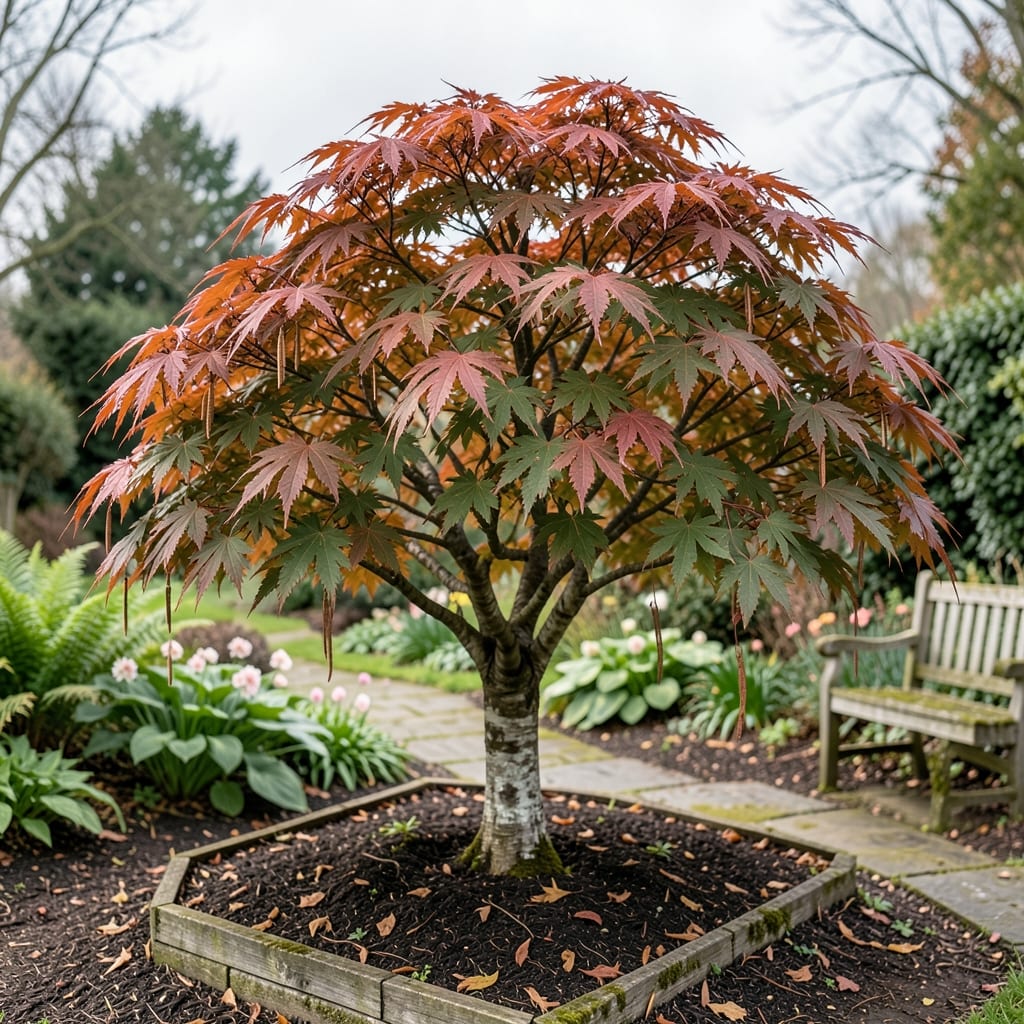
If you’re asking how tall can a Japanese Maple tree grow, the answer might surprise you—these stunning 🌿 trees range from compact patio plants to towering shade giants, all depending on the variety and care you provide.
Picture this: a delicate Japanese Maple in your front yard, its vibrant foliage swaying in the breeze. Some varieties stay under 10 feet, perfect for small gardens or containers, while others soar to 30 feet or more, making them a dramatic centerpiece for larger landscapes. The key to unlocking their full potential? Understanding their growth habits and the right care strategies.
In this guide, I’ll break down the height ranges by variety—from dwarf cultivars that fit cozy corners to standard types that reach for the sky. You’ll also discover how sunlight, soil, and pruning play a role in shaping your tree’s size, so you can choose the perfect match for your space.
Ready to transform your outdoor space with a Japanese Maple? Let’s dive into the details so you can pick the ideal tree for your garden’s vision—and avoid any surprises down the road.

Japanese Maple tree height by variety: small to giant mature sizes explained
Japanese maples (Acer palmatum) are famous for their stunning foliage and compact growth, but their mature height varies dramatically by variety. Some stay small enough for containers or patios, while others grow into majestic shade trees reaching 30 feet. The key is choosing the right cultivar for your space—whether you have a tiny urban yard or a sprawling landscape garden.
Most Japanese maples fall into three height categories: dwarf (6–12 ft), medium (12–20 ft), and standard (20–30 ft). Dwarf varieties like ‘Sekkan Sango’ or ‘Tamukeyama’ are perfect for small gardens or bonsai-style displays, while towering types like ‘Emperor I’ or ‘Bloodgood’ command attention as focal points in large yards.
Growth rates also vary—some varieties grow just 6 inches per year, while others shoot up 2 feet annually in ideal conditions. Sunlight, soil quality, and pruning all play a role in how tall your tree becomes. Let’s explore the most popular varieties and their mature heights to help you pick the perfect fit.
| Variety | Mature Height (ft) | Growth Rate | Best For |
|---|---|---|---|
| ‘Sekkan Sango’ | 6–8 ft | Slow (6 in/yr) | Containers, bonsai |
| ‘Tamukeyama’ | 8–10 ft | Moderate (12 in/yr) | Small gardens, patios |
| ‘Bloodgood’ | 20–25 ft | Fast (18 in/yr) | Large yards, shade trees |
| ‘Emperor I’ | 25–30 ft | Fast (24 in/yr) | Parks, estates |
| ‘Crimson Queen’ | 15–20 ft | Moderate (12 in/yr) | Medium gardens, focal points |
Dwarf varieties like ‘Sekkan Sango’ are ideal for urban gardens or balconies, while ‘Bloodgood’ and ‘Emperor I’ thrive as statement trees in large landscapes. If you’re unsure about spacing, err on the side of caution—these trees hate being transplanted once mature, so plan ahead for their eventual size.
Weeping varieties, like ‘Viridis’ or ‘Shishigashira’, grow wide rather than tall, making them perfect for low ceilings or understory plantings. Their cascading branches can spread 10–15 feet wide, so account for that in your design. For example, a ‘Shishigashira’ might only reach 12 feet tall but sprawl 15 feet across, creating a stunning umbrella effect.
Sunlight is another critical factor. Most Japanese maples prefer partial shade (4–6 hours of sun), which slows their growth and intensifies their fall colors. Planting them in full sun can accelerate height growth, while deep shade may stunt them. If you live in a hot, dry climate, afternoon shade is especially important to prevent leaf scorch.
Soil drainage matters too—waterlogged roots can lead to root rot, which stunts growth. Amend heavy clay soil with compost or sand to improve drainage. Mulching around the base (but not touching the trunk) helps retain moisture and keeps roots cool. For potted varieties, ensure containers have drainage holes and use a well-draining potting mix.
If you’re growing a Japanese maple in a container, expect slightly slower growth due to root restriction. However, dwarf varieties like ‘Tamukeyama’ can thrive in pots for years, making them perfect for seasonal decor or patios. Just
Pruning young trees can also influence height. Pinching back new growth in spring encourages a bushier shape, while selective pruning of vertical branches can keep the tree more compact. Avoid heavy pruning in late summer or fall, as it can stimulate weak, late-season growth that’s vulnerable to frost damage.
For the most accurate height predictions, check the nursery tag or variety description—some hybrids or grafted trees
How to control Japanese Maple tree height: pruning, spacing & growth habits
Controlling the height of your Japanese Maple isn’t just about pruning—it’s about understanding its natural growth habits and giving it the right conditions from day one. Unlike fast-growing trees, Japanese maples respond best to gentle, strategic care that guides their shape without stressing the plant. Whether you’re dealing with a weeping variety or an upright grower, spacing and pruning techniques make all the difference in keeping your tree at your desired height.
One of the biggest mistakes gardeners make is planting too close to structures like fences, walls, or power lines. Japanese maples hate being cramped, and their roots can spread nearly as wide as their canopy. For example, a 15-foot-tall ‘Crimson Queen’ might need 10–15 feet of clearance on all sides to thrive. Always check the mature height and spread of your chosen variety before planting—once established, these trees are difficult to transplant.
Pruning young Japanese maples is all about shaping, not shrinking. Start by removing dead, crossing, or weak branches in late winter. To encourage a bushier form, pinch back the tips of new growth by 1/3 in early spring. For taller varieties like ‘Bloodgood’, selectively prune the uppermost branches to redirect energy downward. Never remove more than 25% of the canopy in one season—this can shock the tree and slow its growth for years.
Weeping varieties like ‘Shishigashira’ need a different approach. Since their beauty lies in their cascading branches, avoid heavy pruning that could disrupt their natural flow. Instead, focus on thinning out dense areas to improve airflow and light penetration. If your weeping maple starts growing too upright, gently bend young branches downward and secure them with soft ties until they set in the new position.
Soil and sunlight also play a surprising role in height control. Planting in partial shade (4–6 hours of sun) naturally slows vertical growth while enhancing foliage color. In contrast, full sun can send a ‘Bloodgood’ shooting up 2 feet per year instead of the usual 12–18 inches. If your tree is outgrowing its space, consider mulching heavily around the base—this cools the roots and reduces stress, which can subtly limit rapid upward growth.
For container-grown Japanese maples, root restriction is your best friend for controlling height. Dwarf varieties like ‘Tamukeyama’ stay compact in 15–20 gallon pots, but even standard types grow slower when root-bound. Just remember: uprooting a mature tree to move it up a pot size is a recipe for shock. Instead, top-dress with fresh potting mix annually to refresh the root zone without disturbing the tree.
Finally, be patient—Japanese maples grow slowly on purpose. Rushing their growth with over-fertilizing or aggressive pruning can backfire, leading to weak wood or disease. With the right care, even a 25-foot ‘Emperor I’ can live for centuries while staying healthy and vibrant. The key is consistency: prune wisely, space properly, and give it the right light and soil.