
Trees
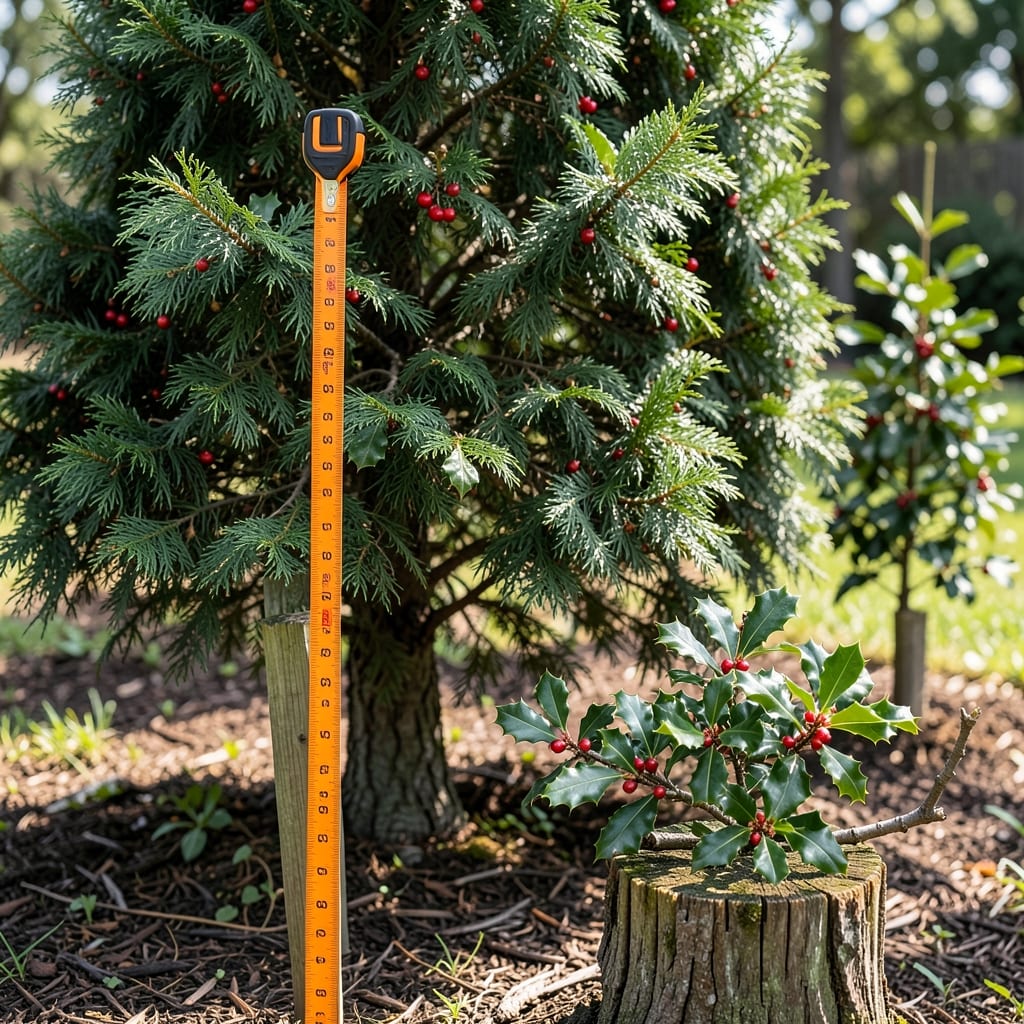
Wondering how tall can a holly tree grow before it becomes a towering presence in your yard? The answer might surprise you—some varieties reach heights that dwarf even the tallest two-story homes, while others stay neatly contained. Whether you're dreaming of a lush, evergreen backdrop or a manageable shrub-like specimen, the right holly tree can transform your landscape with minimal effort.
Holly trees like the American holly (🌲) can soar up to 60 feet in ideal conditions, creating a dramatic vertical statement, while dwarf varieties like 'Blue Prince' max out around 8-12 feet. The difference comes down to species, climate, and how you prune—so choosing the right one for your space is key. Let’s break down what influences their growth and how to keep them at your preferred height.
Climate plays a huge role: holly trees thrive in USDA Zone 6a and beyond, where they can grow faster and taller. But even in cooler regions, proper care—like well-drained soil and strategic pruning—can help control their size. If you’re planting in spring (April-May), timing matters too, as young trees establish roots faster during their first growing season.
Ready to pick the perfect holly for your yard? Learn how to balance height, aesthetics, and maintenance by exploring our care guide for pruning tips. Whether you want a sky-high statement piece or a neatly trimmed hedge, the right approach makes all the difference!


Holly tree height ranges by species: from dwarf to towering giants
When planning your landscape, knowing how tall a holly tree can grow helps you choose the right variety for your space. Holly trees (Ilex spp.) offer a stunning range of heights, from compact shrubs to towering giants. The American Holly (Ilex opaca), for example, typically reaches 30-60 feet at maturity, while dwarf varieties like 'Blue Prince' stay under 10 feet. Understanding these differences ensures your holly fits beautifully without overwhelming your yard.
Holly trees grow at varying rates depending on species, climate, and care. Some varieties like 'Sky Pencil' holly grow vertically to 20-40 feet but stay narrow, making them ideal for tight spaces. Others, like English Holly (Ilex aquifolium), max out at 15-25 feet but spread wider. Your choice depends on whether you want a tall, narrow accent tree or a broad, bushy privacy screen.
| Variety | Mature Height | Growth Habit | Best For |
|---|---|---|---|
| American Holly (Ilex opaca) | 30-60 ft | Tall, pyramidal | Large landscapes, focal points |
| English Holly (Ilex aquifolium) | 15-25 ft | Broad, rounded | Hedges, privacy screens |
| 'Sky Pencil' Holly | 20-40 ft | Narrow, columnar | Small yards, vertical accents |
| 'Blue Prince' Holly | 8-12 ft | Compact, bushy | Containers, small gardens |
| 6-10 ft | Slow-growing, rounded | Borders, foundation plantings |
If you're wondering how tall a holly tree grows in your climate, consider your USDA hardiness zone. Most hollies thrive in zones 5-9, but their growth rate slows in colder regions. For instance, American Holly grows faster in Zone 7 than in Zone 5, where winters may stunt early growth. Always check the specific variety’s cold tolerance before planting.
Soil quality also impacts height. Holly trees prefer well-draining, slightly acidic soil (pH 5.0-6.0). Poor soil can limit their potential height by 20-30%. Amend heavy clay with compost or sand to improve drainage. In container gardening, dwarf varieties like 'Blue Prince' thrive in 15-gallon pots but may stay slightly shorter than their in-ground counterparts.
Light exposure plays a role too. While hollies tolerate partial shade, they grow tallest in full sun (6+ hours daily). In shadier spots, expect 10-20% reduced height. For example, a 'Sky Pencil' holly in full sun might reach 35 feet, but in partial shade, it may max out at 25 feet. Position your tree where it gets morning sun and afternoon shade for optimal growth.
Pruning is another key factor. Regular pruning can reduce height by 30-50% if done aggressively, while minimal pruning lets hollies reach their natural height. For example, pruning a 15-foot English Holly annually to 10 feet keeps
How pruning affects holly tree height: maintenance tips for different growth habits
Pruning is the secret weapon for controlling holly tree height and shaping your tree’s growth. Whether you want to keep a 'Blue Prince' compact or trim a 'Sky Pencil' holly to prevent it from towering over your roof, the right techniques make all the difference. Holly trees respond well to pruning, but timing and method matter—cut too late or too aggressively, and you risk stunting growth or damaging the tree.
For height control, prune in late winter or early spring (February-March) before new growth begins. This is when hollies enter their active growth phase, allowing them to recover faster. Avoid pruning in fall or winter, as cold stress can weaken the tree. If you must prune for safety (e.g., overgrown branches near power lines), do it in early summer, but expect slower recovery.
To reduce height by 30-50%, focus on removing 1-2 feet of top growth annually. For example, if your 15-foot English Holly is getting too tall, trim the topmost branches just above a bud or side branch. This encourages bushier growth lower down. Use sharp, clean pruners or a pruning saw for thicker branches, and always make cuts at a 45-degree angle to prevent water pooling.
For columnar varieties like 'Sky Pencil', prune to encourage vertical growth while maintaining a narrow silhouette. Remove suckers and lateral branches that grow outward to keep the tree tall and upright. In contrast, bushy varieties like 'Dwarf Burford' benefit from light shaping pruning to maintain their rounded form. Avoid shearing, as it can lead to woody growth and reduce berry production.
Seasonal pruning also affects berry production, which is a key feature of holly trees. Female hollies need male pollinators nearby to produce berries, but over-pruning can reduce flower and berry yields. If berries are a priority, limit pruning to 10-15% of the tree’s canopy per year. For non-fruiting varieties (like male hollies), you can be more aggressive with pruning to control height.
Finally, mulching and fertilizing work hand-in-hand with pruning to manage height. Apply a 2-3 inch layer of mulch around the base (keeping it 6 inches away from the trunk) to retain moisture and encourage root growth. Use a balanced fertilizer (10-10-10) in early spring to support new growth, but avoid heavy fertilizing after pruning, as it can stimulate water sprouts that further increase height. For container-grown hollies, prune 20-30% more aggressively to compensate for root restriction.
Ready to shape your holly tree? Start with light pruning in early spring and adjust based on growth. Need more tips? Check our care guide for step-by-step pruning techniques tailored to your holly’s variety!