
How To
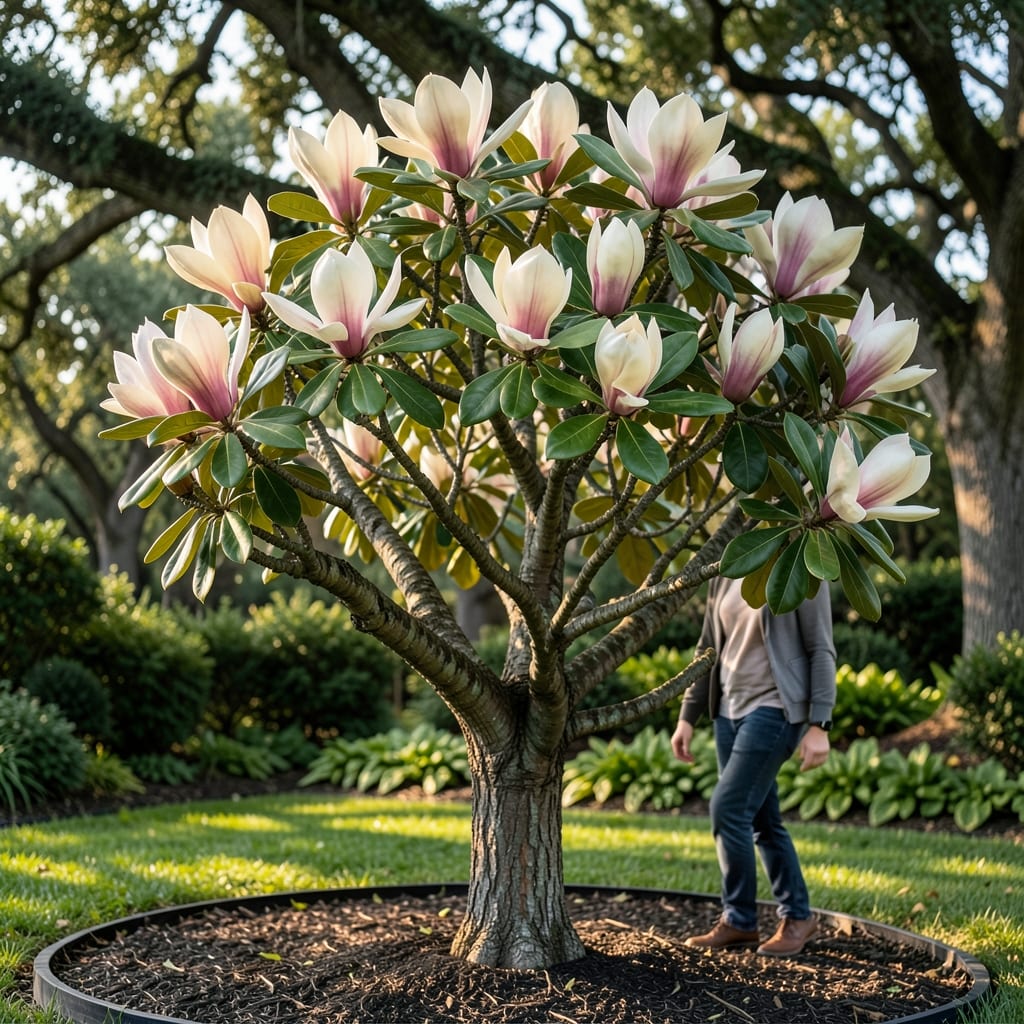
Ever wondered just how tall that stunning 🌳 magnolia tree in your neighbor’s yard could grow? The answer might surprise you—some varieties stretch toward the sky like natural skyscrapers, while others stay perfectly manageable for even the smallest gardens. If you’re planning your landscape or simply curious about these majestic trees, knowing their potential height is the first step to making the right choice.
Magnolia trees aren’t one-size-fits-all—they range from dainty dwarf varieties that top out at just 10 feet to towering giants that can dwarf a 3-story building at 120 feet or more. Whether you’re dreaming of a shade-providing giant or a compact centerpiece for your patio, understanding these differences is key to creating the perfect look without future headaches.
But height isn’t just about aesthetics—it’s also about care. Soil quality, sunlight, and even pruning habits can dramatically influence how tall your magnolia grows. I’ll break down the factors that shape these trees, so you can give yours the best shot at reaching its full potential—or keeping it small and tidy, depending on your vision.
Ready to discover which magnolia fits your space? Let’s dive into the heights, care tips, and smart planning strategies that will help you choose—and nurture—a tree that’s as stunning as it is practical.


Magnolia tree height by species: from dwarf varieties to towering giants
Magnolia trees come in a stunning array of sizes, from delicate patio plants to majestic giants that command entire landscapes. If you’re choosing one for your garden, knowing the mature height of each species is crucial for planning shade, space, and long-term care. Some varieties stay compact enough for urban yards, while others grow into towering 120-foot sentinels—so let’s break down the options to help you pick the perfect fit.
The Southern Magnolia (Magnolia grandiflora) is one of the most iconic large varieties, often reaching 60–80 feet tall with a spread of 25–40 feet. Its glossy evergreen leaves and fragrant white flowers make it a showstopper, but its size means it’s best suited for spacious properties or as a street-tree in suburban areas. If you love the look but need something smaller, consider its dwarf cultivar 'Little Gem', which tops out at a manageable 15–20 feet.
| Variety | Mature Height | Growth Rate | Best For |
|---|---|---|---|
| Southern Magnolia (M. grandiflora) | 60–80 ft | Slow to moderate | Large yards, shade trees |
| Sweetbay Magnolia (M. virginiana) | 40–60 ft | Moderate | Woodland gardens, wet areas |
| Star Magnolia (M. stellata) | 15–25 ft | Slow | Small gardens, containers |
| Little Gem (M. grandiflora cultivar) | 15–20 ft | Slow | Urban yards, small spaces |
| Saucer Magnolia (M. × soulangeana) | 20–30 ft | Moderate | Lawns, specimen planting |
The Star Magnolia (Magnolia stellata) is a favorite for smaller gardens, blooming profusely in early spring with delicate white or pink flowers. It typically grows to 15–25 feet, making it ideal for patios or as a focal point in a mixed border. For an even more compact option, the 'Black Tulip' magnolia stays under 10 feet tall while delivering stunning dark purple blooms that contrast beautifully with its glossy leaves.
If you’re drawn to the dramatic Saucer Magnolia (Magnolia × soulangeana), expect a tree that reaches 20–30 feet with a rounded canopy. This variety is prized for its early spring flowers in shades of pink, purple, or white, and it’s a great choice for lawns or as a specimen tree in a landscaped area. Its moderate growth rate means it won’t overwhelm your space too quickly, but it still offers the grandeur of a larger magnolia.
For those with limited space but a love for magnolias, consider the 'Jane' magnolia, a semi-dwarf variety that tops out at 15–20 feet and produces fragrant white flowers in early spring. It’s perfect for urban gardens or as a small shade tree. Meanwhile, the 'Black Lace' magnolia is another compact gem, reaching 10–15 feet and showcasing deep purple blooms that add a touch of drama to any landscape.
One of the tallest magnolias is the Evergreen Magnolia (Magnolia tripetala), which can grow up to 40–60 feet in ideal conditions. Native to the eastern U.S., this tree thrives in woodland settings and is often found in forests or along streams. Its height and shade tolerance make it a fantastic choice for large properties or as a privacy screen, but it’s not suited for small yards.
When planning your magnolia’s placement, remember that root spread is nearly as important as height. Many magnolias have a spread that’s half their height, so a 20-foot tree might need 10 feet of clearance on all sides. This is especially critical for larger varieties like the Southern Magnolia, where roots can extend far beyond the canopy. Always check the mature dimensions of your chosen variety to avoid future crowding issues.
Finally, if you’re torn between species, consider your climate zone and local conditions. Some magnolias, like the Sweetbay Magnolia (Magnolia virginiana), thrive in humid, coastal climates, while others, such as the Star Magnolia, prefer cooler, continental zones. Choosing the right species for your region ensures your tree grows to its full potential without
Factors that influence how tall a Magnolia tree grows
Your magnolia’s height isn’t set in stone—it’s shaped by a mix of natural and human factors. The right soil conditions, sunlight exposure, and even pruning habits can turn a 60-foot giant into a 15-foot statement piece—or vice versa. Let’s break down the key players that determine whether your magnolia will stretch for the sky or stay cozy in your backyard.
First, soil quality plays a starring role. Magnolias thrive in well-draining, slightly acidic soil (pH 5.0–6.5). Heavy clay or waterlogged ground can stunt growth, while rich, loamy soil packed with organic matter fuels rapid expansion. I’ve seen Southern Magnolias in nutrient-poor soil top out at just 40 feet, while their counterparts in amended soil hit 80 feet—same species, different results!
Next, sunlight exposure acts like a growth regulator. Most magnolias prefer partial shade (4–6 hours of morning sun), but varieties like Magnolia grandiflora can tolerate full sun. Too much harsh afternoon sun can stress the tree, slowing its vertical ascent, while ideal light conditions encourage that classic magnolia grandeur.
🌱
🌱 Key Factors Influencing Magnolia Height
- 1. Soil Quality: Rich, acidic soil (pH 5.0–6.5) fuels growth; poor soil stunts it.
- 2. Sunlight: Partial shade (4–6 hrs) ideal; full sun can stress some varieties.
- 3. Watering: Deep weekly watering encourages strong root systems and height.
- 4. Pruning: Regular pruning controls height; no pruning = natural growth.
- 5. Climate: Warmer zones (USDA 6–9) support faster, taller growth.
- 6. Root Space: Adequate room prevents root competition, allowing vertical growth.
Don’t underestimate the power of watering habits. Deep, weekly watering (15–20 gallons for mature trees) encourages strong root development, which directly impacts how tall your magnolia grows. I’ve watched young Magnolia stellata trees double in height within a year when given consistent moisture—proof that hydration is a growth multiplier.
Pruning practices can either accelerate or suppress height. Strategic pruning in late winter removes water sprouts and shapes the canopy, while topping a young tree can stunt its vertical growth. If you’re aiming for a dwarf magnolia, regular pruning is your best friend—just avoid heavy cuts after flowering, as this can weaken the tree.
Finally, climate and location set the stage for growth. Magnolias in USDA zones 6–9 (where I garden) tend to grow faster and taller than those in cooler climates. Coastal areas with mild winters often see Southern Magnolias hit their 80–100-foot potential, while inland varieties may max out at 60 feet due to seasonal stress.
With these factors in mind, you’re not just guessing at your magnolia’s future height—you’re shaping it. Whether you’re nurturing a sky-scraping giant or a patio-friendly dwarf, understanding these influences lets you take control of the outcome. Ready to pick the perfect spot and care routine for your tree?