
Size
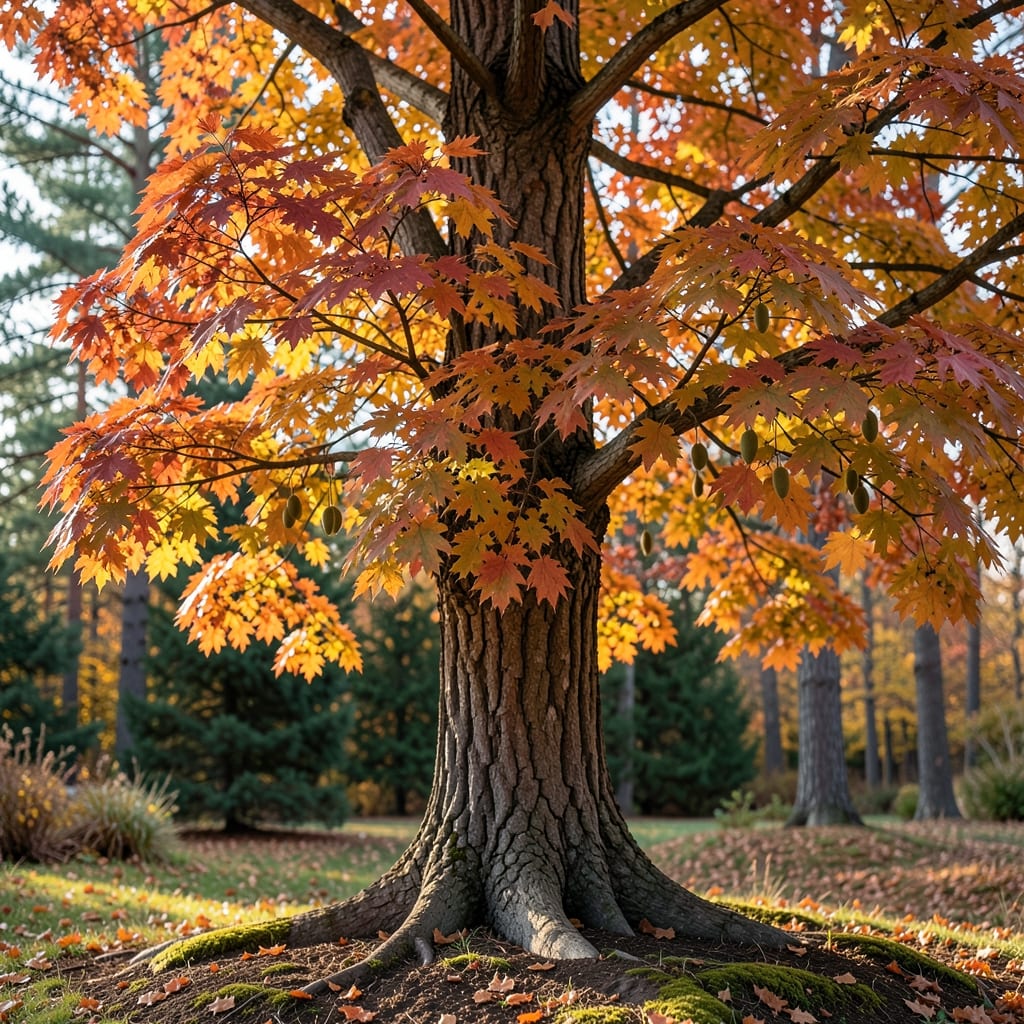
If you’ve ever wondered how tall can a maple tree grow, you’re not alone—these majestic 🌳 giants can stretch toward the sky in ways that surprise even seasoned gardeners. Some species, like the towering sugar maple, reach heights of 75–100 feet, while others, such as the delicate Japanese maple, stay compact at just 15–25 feet. The difference isn’t just about species, though; soil, climate, and even pruning play a huge role in shaping their final stature.
Whether you’re dreaming of a grand shade provider or a small ornamental tree for your yard, knowing the growth potential of each variety helps you make the right choice. Fast-growing types like silver maple can shoot up 3–6 feet per year, while others mature more slowly but live for centuries. The key is understanding which maple aligns with your space and goals—without sacrificing beauty for speed.
Curious about how to encourage (or control) growth? I’ll break down the factors that influence height, from sunlight and soil to pruning techniques that keep your maple healthy and in check. By the end, you’ll know exactly which species fits your landscape—and how to nurture it for years to come.
Ready to plant with confidence? Let’s explore the tallest, fastest, and most manageable maple varieties so you can pick the perfect fit for your outdoor space.


Mature heights of maple tree species: from small to towering giants
Maple trees are nature’s skyscrapers, with some varieties stretching toward the sky like architectural marvels. The sugar maple and red maple often dominate landscapes, but their heights vary dramatically. For example, a sugar maple can reach 75–100 feet in ideal conditions, while a Japanese maple might stay a modest 15–25 feet tall. Understanding these differences helps you pick the right tree for your space—whether you dream of a backyard canopy or a delicate ornamental centerpiece.
Not all maples grow equally, though. Urban trees often face root restrictions and pollution stress, limiting their height compared to their rural counterparts. A silver maple in a park might hit 50–80 feet, but the same tree in a cramped city lot could max out at 30–40 feet. The key is matching the species to your environment, not just your aesthetic preferences.
Here’s a quick look at how different maple species compare in height at maturity, along with their typical growth habits:
| Species | Mature Height (ft) | Growth Rate (ft/year) | Best For |
|---|---|---|---|
| Sugar Maple | 75–100 | 1–2 | Shade, syrup production |
| Red Maple | 50–70 | 2–3 | Urban landscapes, wildlife |
| Silver Maple | 50–80 | 3–6 | Fast shade, wet soils |
| Japanese Maple | 15–25 | 0.5–1.5 | Ornamental, containers |
| Norway Maple | 40–60 | 2–4 | Shade, urban planting |
| Boxelder Maple | 30–50 | 1–3 | Wildlife, fast growth |
The sugar maple is the undisputed champion of height, often surpassing 100 feet in forests with ample space. Its broad canopy and deep roots make it a staple for large properties, but its slow growth means patience is key. If you’re short on space, a Japanese maple or dwarf variety like 'Autumn Blaze' will fit neatly into a small yard or patio garden, offering stunning fall colors without the skyscraper commitment.
For urban gardeners, red maples and Norway maples strike a balance—growing fast enough to provide shade within 10–15 years but staying manageable in city environments. Their adaptability to pollution and compact root systems make them ideal for streetscapes and parks. Just be mindful of their aggressive roots, which can disrupt sidewalks or plumbing if planted too close to structures.
Choosing the right maple isn’t just about height—it’s about long-term maintenance. A silver maple, for instance, may shoot up 6 feet per year but develops weak wood prone to storm damage. Meanwhile, a sugar maple grows slower but lives for centuries with proper care. Weigh your priorities: speed vs. durability, size vs. lifespan, and always consider your local climate and soil conditions.
If you’re planting near power lines or buildings, opt for dwarf or semi-dwarf varieties. These are bred to stay under 30–50 feet while still delivering vibrant foliage and seasonal interest. For example, the 'Armstrong' Japanese maple tops out
Fastest-growing maple varieties: when you need shade quickly
If you’re craving fast shade but don’t want to wait decades for a maple to mature, some varieties deliver 3–6 feet of growth per year. The silver maple leads the pack, shooting up 6 feet annually in ideal conditions—making it a top choice for instant shade in large yards or parks. But speed comes with trade-offs, like weaker wood and shorter lifespans, so it’s not always the best long-term investment. For a balance of rapid growth and durability, the Norway maple and hybrid varieties like 'Autumn Blaze' are excellent mid-range options.
Why does growth speed matter? A silver maple planted today could provide full shade in just 10–15 years, while a sugar maple might take 30+ years to reach the same height. The difference is especially noticeable in urban areas, where space is limited, and you need shade now. However, faster growth often means softer wood that’s more prone to storm damage or disease. Weighing these factors ensures your tree thrives without becoming a liability.
Here’s how the fastest-growing maple varieties stack up in terms of height gain per year and their suitability for different environments:
To maximize growth without sacrificing health, focus on well-draining soil and consistent watering during the first 3–5 years. A silver maple, for example, thrives in moist, slightly acidic soil and benefits from mulching to retain moisture. Avoid planting in compacted clay, which stunts root development and slows height gain. For urban settings, consider container-grown saplings, which establish faster than bare-root trees.
Pruning plays a crucial role in shaping fast growth. Remove dead or crossing branches annually to redirect energy upward, but avoid over-pruning, which can stress the tree. A Norway maple, for instance, responds well to light pruning in late winter to encourage vigorous spring growth. Just remember: the faster a maple grows, the more structural support it may need as it matures—especially in windy areas.
If you’re in a hurry for shade but want long-term reliability, hybrid varieties like 'October Glory' or 'Armstrong' offer a compromise. They grow at 2–3 feet per year while delivering sturdy wood and vibrant fall colors. For the fastest results, though, the silver maple remains the undisputed champion—just be prepared for regular maintenance to keep it healthy and safe for decades to come.