
How To
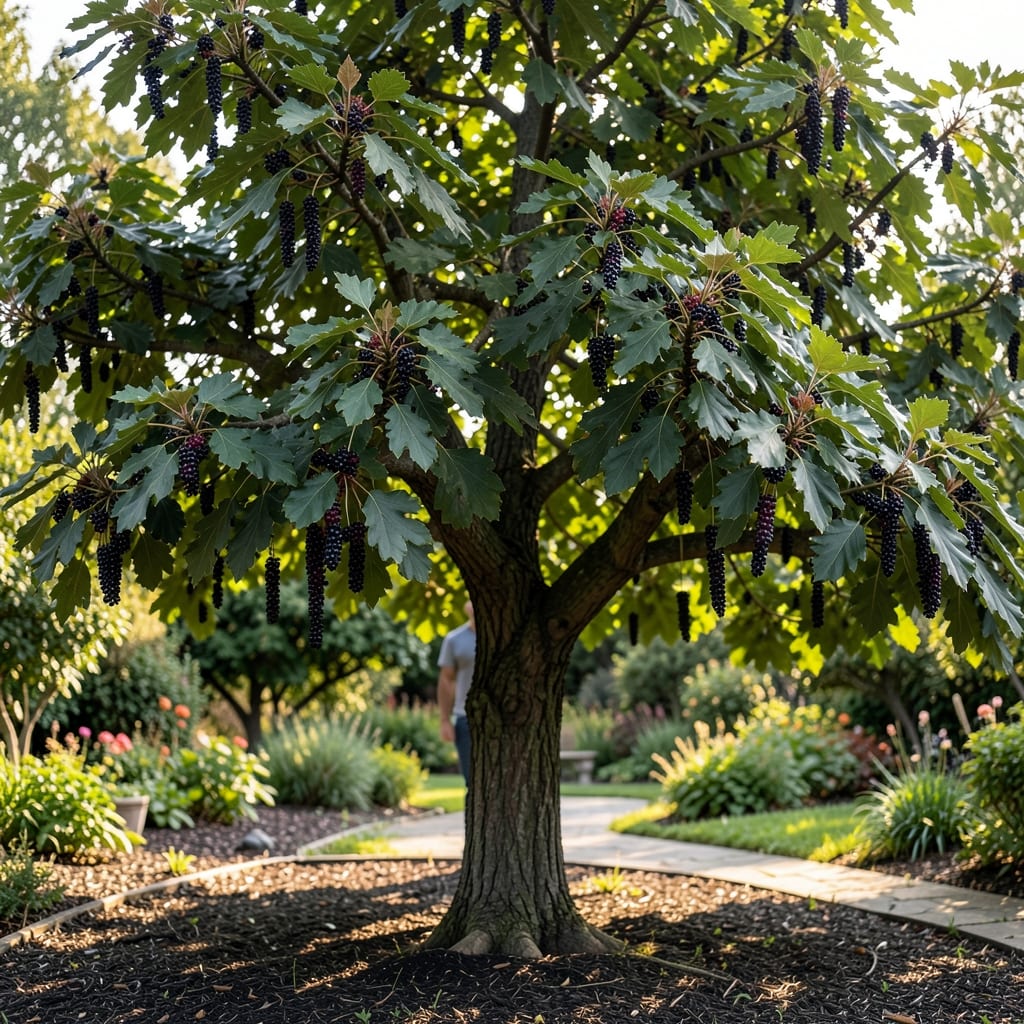
If you're wondering how tall can a mulberry tree grow, the answer might surprise you—some varieties stretch toward the sky like skyscrapers, while others stay neatly trimmed for small yards. The Morus alba, or white mulberry, can soar up to 60 feet, towering over your house, while dwarf varieties like 'Illinois Everbearing' max out at just 10-15 feet. But height isn't just about the species; soil, pruning, and even your climate play a huge role in shaping its future.
Picture this: You plant a sapling in spring, and by summer, it’s already 3-5 feet tall. Without intervention, that same tree could reach 20-30 feet in just a few years—fast enough to outgrow even the most generous backyard. The key to controlling its size lies in understanding your tree’s growth habits and when to step in with pruning or root management. Whether you’re dreaming of a shady giant or a compact berry producer, knowing these secrets will help you steer its growth in the right direction.
Here’s the thing: mulberry trees aren’t one-size-fits-all. The Morus nigra, or black mulberry, often grows taller and slower than its white counterpart, while red mulberries (like Morus rubra) tend to stay mid-sized unless left unchecked. For gardeners in USDA Zone 6a, where winters can test even the hardiest trees, choosing the right variety—and giving it the right care—makes all the difference between a manageable hedge and an unruly giant.
Ready to take control? I’ll walk you through the factors that influence a mulberry tree’s height, from species-specific quirks to pruning techniques that keep it at your desired size. Whether you’re working with 10 feet of space or a sprawling acre, you’ll learn how to nurture your tree without losing your yard—or your sanity—to its rapid growth.


Mulberry tree height by species: from dwarf to giant varieties
When it comes to mulberry tree height, you’re looking at a spectrum that ranges from compact shrubs to towering giants. The Morus alba, or white mulberry, is the most common variety and can reach up to 60 feet in ideal conditions, making it a true statement tree. Meanwhile, the Morus nigra, or black mulberry, often grows slightly shorter—typically 30-50 feet—but with a slower growth rate that can work in its favor for gardeners with limited space.
The Morus rubra, or red mulberry, strikes a balance, usually maturing between 20-40 feet. This makes it a popular choice for home gardens where you want a manageable height without sacrificing fruit production. But here’s the kicker: without proper pruning or root control, even these mid-sized varieties can outgrow their welcome in a backyard.
Now, if you’re working with a small urban yard or a container garden, dwarf varieties like 'Illinois Everbearing' or 'Compacta' are your best bet. These stay between 10-15 feet tall, making them perfect for patios or small orchards. The trade-off? They may produce slightly smaller fruit yields, but the convenience of a manageable size is often worth it.
🌱
| Variety | Mature Height | Growth Rate | Best For |
|---|---|---|---|
| Morus alba (White Mulberry) | 30-60 ft | Fast (3-5 ft/year) | Large yards, shade trees |
| Morus nigra (Black Mulberry) | 30-50 ft | Moderate (2-4 ft/year) | Ornamental, fruit production |
| Morus rubra (Red Mulberry) | 20-40 ft | Moderate (2-3 ft/year) | Home gardens, wildlife |
| 'Illinois Everbearing' (Dwarf) | 10-15 ft | Slow (1-2 ft/year) | Containers, small spaces |
| 'Compacta' (Dwarf) | 12-18 ft | Slow (1-2 ft/year) | Urban gardens, patios |
Your choice of mulberry species isn’t just about height—it’s also about fruit flavor, disease resistance, and climate adaptability. For example, the black mulberry is prized for its rich, sweet berries but may struggle in humid climates like Zone 7a. On the other hand, the white mulberry thrives in hot, dry conditions and grows faster, making it ideal for arid regions.
For gardeners in USDA Zone 6a, where winters can be harsh, the red mulberry is often the safest bet. It’s hardy, produces reliable fruit, and stays within a manageable height range if pruned correctly. But if you’re after a low-maintenance giant, the white mulberry’s rapid growth might be tempting—just be prepared to invest time in pruning to keep it from becoming a 60-foot behemoth.
Here’s a pro tip: if you’re planting near power lines or sidewalks, opt for a dwarf variety or commit to regular pruning. Even a 15-foot tree can become a hazard if left unchecked, and mulberries are notorious for their aggressive growth habits once established.
🌿
One factor often overlooked is soil quality and sunlight exposure. Mulberry trees planted in well-draining, nutrient-rich soil with full sun (6-8 hours daily) will grow taller and faster than those in shady or poor soil. If your yard has clay-heavy soil, amend it with compost or sand to encourage deeper root growth, which can contribute to a taller, more robust tree.
Finally, don’t underestimate the role of climate. In warmer zones (8a and above), mulberry trees can grow 20-30% taller than in cooler zones like 6a, where growth slows in winter. This means if you’re in a mild-winter region, your tree might hit its maximum height faster than expected.
✂️
Mulberry tree height by species: from dwarf to giant varieties
When it comes to mulberry tree height, you’ll find a stunning range—from towering giants that stretch toward the sky to compact varieties perfect for small yards. The Morus alba (white mulberry) typically reaches 30-60 feet at maturity, making it one of the tallest fruit trees you can grow. Meanwhile, the Morus nigra (black mulberry) often tops out around 40-50 feet, with a slower growth rate that gives it a more refined, elegant shape over time.
But here’s the exciting part: if you’re working with limited space, dwarf varieties like 'Illinois Everbearing' or 'Compacta' stay between 10-15 feet, making them ideal for urban gardens or even large containers. These smaller trees still produce abundant berries, proving that size doesn’t limit productivity. The Morus rubra (red mulberry) usually falls in the middle, growing 20-40 feet tall, with a slightly bushier habit that can be pruned to keep it manageable.
🌱
| Variety | Mature Height | Growth Rate | Best For |
|---|---|---|---|
| Morus alba (White Mulberry) | 30-60 ft | Fast (3-5 ft/year) | Large yards, shade trees |
| Morus nigra (Black Mulberry) | 40-50 ft | Moderate (2-4 ft/year) | Elegant landscaping |
| Morus rubra (Red Mulberry) | 20-40 ft | Moderate (2-3 ft/year) | Wildlife-friendly gardens |
| 'Illinois Everbearing' (Dwarf) | 10-15 ft | Slow (1-2 ft/year) | Small spaces, containers |
| 'Compacta' (Dwarf) | 12-18 ft | Moderate (1.5-2.5 ft/year) | Urban gardens |
Choosing the right variety is just the first step. The soil quality and climate in your USDA Zone 6a area will also shape how tall your mulberry tree grows. In rich, well-draining soil with full sun, trees tend to grow faster and taller, while poor soil or shade can stunt their height. For example, a white mulberry in ideal conditions might hit 60 feet in 15-20 years, but in less-than-optimal soil, it could stay closer to 30-40 feet.
Even within the same species, individual trees can vary. Some black mulberries I’ve seen in my own garden reach 50 feet with minimal pruning, while others nearby max out at 35 feet. This variability is why it’s smart to start with a dwarf variety if space is limited—or plan for regular pruning if you’re going for a full-sized tree. The good news? Mulberries are forgiving, and even if you end up with a giant, their fast growth means you’ll enjoy shade and berries sooner rather than later.
🌿