
Size
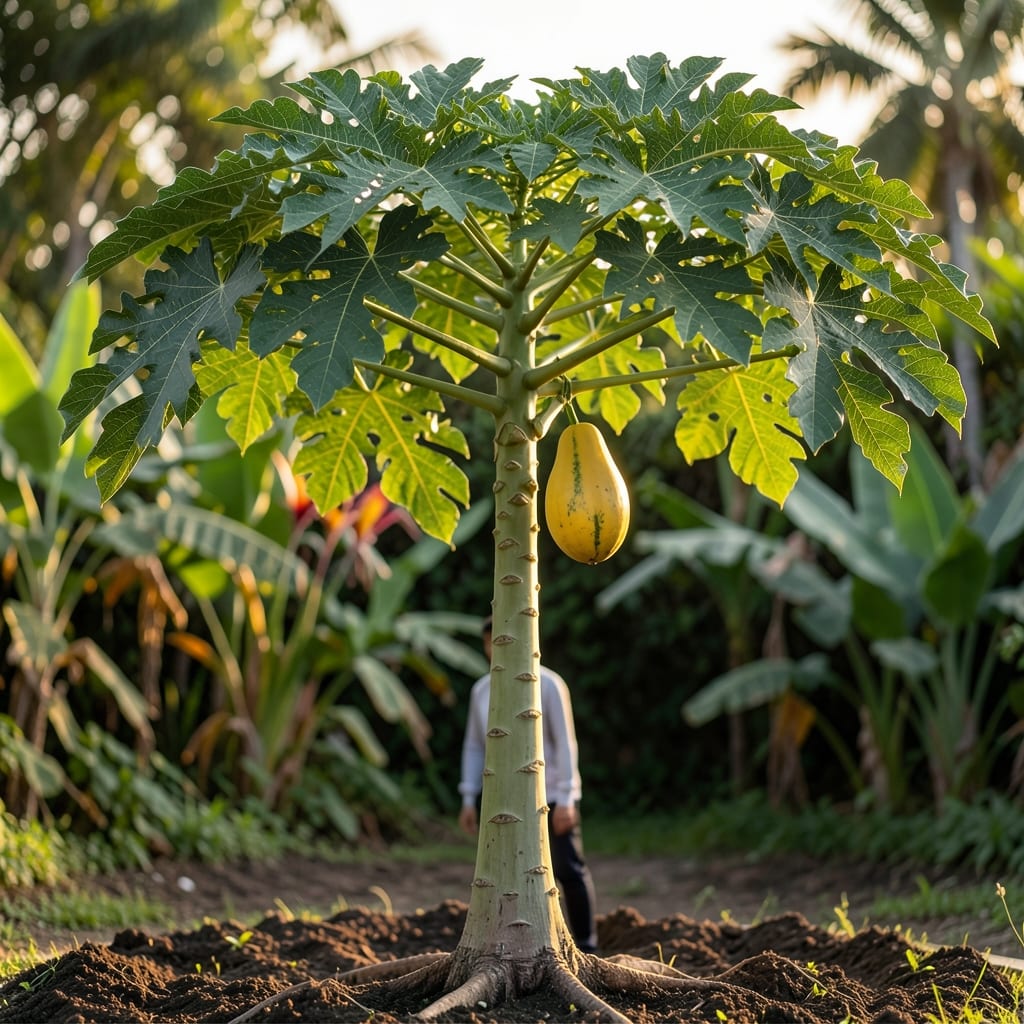
If you’ve ever wondered how tall can a papaya tree grow, the answer might surprise you—because this tropical beauty can stretch from a compact 10-foot shrub to a towering 30-foot giant, depending on its variety and growing conditions. Picture a 🍈 papaya tree reaching higher than your two-story house or fitting neatly in a backyard, all thanks to nature’s flexibility.
The size of your papaya tree isn’t just about luck—it’s a mix of genetics, climate, and how you care for it. Whether you’re in USDA Zone 9b or a warmer region, understanding these factors can help you grow the perfect-sized tree for your space. From dwarf varieties that stay manageable to standard types that thrive in open fields, the possibilities are endless.
But here’s the thing: even the smallest papaya trees pack a punch with their sweet, vibrant fruit. If you’re planting in spring (the ideal time), you’ll want to know how to monitor growth and when to prune for the best results. Let’s break down everything you need to know to get the height—and harvest—you’re dreaming of.
Ready to turn your backyard into a tropical oasis? I’ll walk you through the key factors that control your papaya tree’s height, so you can choose the perfect variety and care for it like a pro. Let’s get growing!


Papaya tree height range: from 10 to 30 feet explained
When you plant a papaya tree (Carica papaya), you’re not just growing a fruit-bearing plant—you’re cultivating a tree with dramatic size variations. The height range spans from 10 feet for dwarf varieties to a staggering 30 feet for standard types, making it one of the most flexible tropical trees for home gardens. This range isn’t random; it’s shaped by genetics, climate, and how you care for the tree.
The natural growth habit of papaya trees starts slow but accelerates quickly. In the first year, you’ll see 3-5 feet of growth, but by year two, that number can double or triple depending on conditions. By maturity, a standard papaya tree can dwarf even the tallest backyard trees, while dwarf varieties stay manageable for containers or small yards.
Here’s the key: climate plays a huge role. In USDA Zone 9b or warmer, papaya trees thrive year-round, reaching their full height potential. But in cooler climates, growth slows dramatically, often capping at 15-20 feet unless you grow them in containers and bring them indoors during winter. Even in ideal conditions, pruning practices can shrink or maintain height—more on that later!
Let’s break down the height variations with real-world examples. A ‘Solo’ papaya, a popular dwarf variety, tops out at 8-12 feet, making it perfect for patios or small gardens. On the other end, the ‘Red Maradol’ variety can soar to 25+ feet in tropical climates, requiring serious space planning. The difference? Genetics, sunlight, and soil quality.
If you’re growing papaya trees in containers, expect a 10-20% reduction in height compared to in-ground planting. Root restriction naturally limits growth, but it also makes these trees easier to manage in urban settings. Just ensure your container is at least 18 inches wide and deep—smaller pots will stunt growth even further.
Another critical factor is soil drainage. Papaya trees hate soggy roots, which can slow growth or even kill the tree. In well-draining soil, a standard variety might hit 25 feet in 3 years, while poor drainage could cap it at 15 feet or less. Amend heavy clay soil with compost or perlite to keep roots happy and growth on track.
Don’t overlook the impact of sunlight. Papaya trees need 6+ hours of direct sun daily to reach their full height potential. In shadier conditions, growth slows significantly, often resulting in 10-15 foot trees instead of 30-foot giants. If you’re in a cooler climate, supplement with grow lights during winter to maintain vigor.
For those in USDA Zone 9b or warmer, the sky’s the limit—literally. A healthy, unpruned papaya tree can grow 3 feet per year under ideal conditions. That means a 3-year-old tree could already be 15 feet tall, and by year 5, it might reach 25 feet or more. Plan accordingly by giving it plenty of space and regular
Key factors that control papaya tree height (and how to optimize them)
Understanding how tall can a papaya tree grow isn’t just about picking the right variety—it’s also about controlling the conditions that shape its height. The four key factors that determine whether your papaya tree becomes a towering giant or a compact shrub are sunlight exposure, soil quality, pruning techniques, and watering habits. Master these, and you’ll have the power to shape your tree’s size while maximizing fruit production.
Let’s start with sunlight, the most critical factor. Papaya trees thrive in full sun (6+ hours daily), but here’s the catch: partial shade can reduce height by 30-50%. If your tree isn’t getting enough light, it’ll focus energy on survival rather than vertical growth. In cooler climates, supplement with grow lights during winter to maintain healthy growth rates. Even a 1-hour increase in sunlight can boost annual height gain by 1-2 feet.
- 🌞 Sunlight: 6+ hours daily = 30% faster growth. Shade reduces height by 30-50%.
- 🌱 Soil: Well-draining soil = 25% taller than compacted soil. Amend with compost for best results.
- ✂️ Pruning: Top-pruning at 5-6 feet = controlled height. Remove suckers to direct energy upward.
- 💧 Watering: Deep soaks (2-3x/week) = stronger roots. Overwatering = stunted growth.
- 🌡️ Climate: USDA Zone 9b+ = full height potential. Cooler zones = 10-20% shorter without protection.
Next up is soil quality, which directly impacts root development—and roots are the foundation of a tall papaya tree. Well-draining soil with a pH of 6.0-7.0 allows roots to expand freely, supporting rapid vertical growth. If your soil is heavy or clay-like, amending it with organic matter like compost or coconut coir can boost height by 20-30%. Poor drainage doesn’t just stunt growth—it invites root rot, which can kill your tree before it reaches maturity.
Now, let’s talk pruning, the secret weapon for controlling height. Most gardeners assume pruning makes trees shorter, but with papaya trees, it’s about redirecting energy. If you want a compact tree, prune the top leader at 5-6 feet tall to encourage bushier growth. For taller trees, remove suckers (shoots at the base) to force the tree to grow upward. Pro tip: Prune in early spring to avoid stressing the tree before its growth spurt.
Finally, watering habits play a surprising role in height control. Papaya trees need consistent moisture, but overwatering can actually stunt growth by suffocating roots. Aim for deep watering 2-3 times per week, letting the top 2 inches of soil dry between sessions. In containers, water more frequently (every 1-2 days) since pots dry out faster. Underwatering? Your tree will grow slower and produce smaller fruit.
Here’s the bottom line: optimize these four factors, and you’ll have a papaya tree that grows to your exact specifications—whether you want a 10-foot patio tree or a 30-foot tropical giant. Start by assessing your sunlight and soil, then adjust pruning and watering as needed. With the right approach, you’ll get the perfect-sized tree for your space—and a bounty of sweet papayas to enjoy!