
Trees
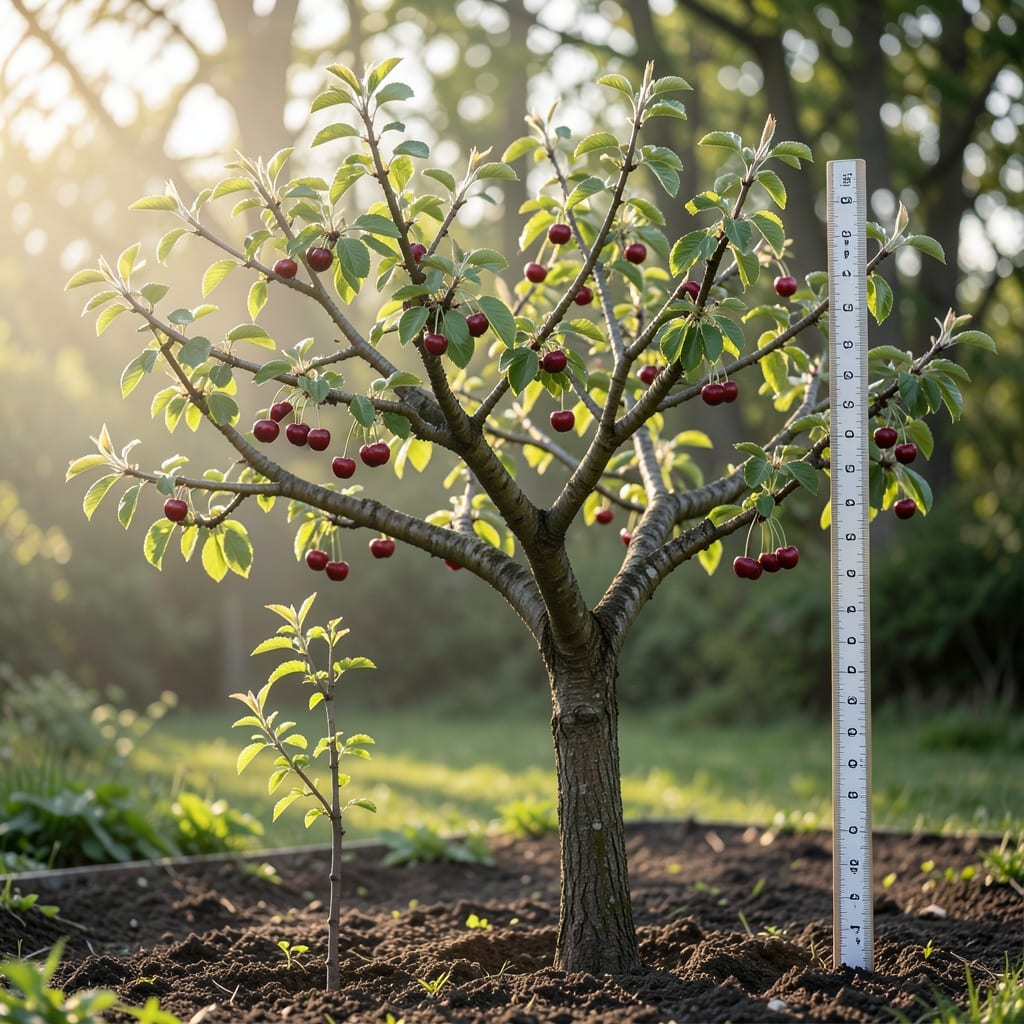
If you're wondering "how tall can a cherry tree grow", the answer might surprise you—these stunning trees can range from a compact 8 feet to towering giants that reach 60 feet or more! Whether you're dreaming of a backyard orchard or a single statement tree, the variety you choose will determine just how much vertical space you'll need to accommodate.
The key to managing a cherry tree's height lies in selecting the right type for your space. Dwarf varieties stay manageable, perfect for small gardens or even container growing, while standard and semi-dwarf types can become impressive focal points in larger landscapes. But don't let size fool you—even smaller trees can produce an abundance of delicious fruit if given the right care.
Pruning plays a huge role in controlling growth, especially for those who prefer a more compact tree. With the right techniques, you can shape your cherry tree to fit your yard perfectly, whether that means keeping it at a convenient 10 feet or letting it grow wild and natural. The beauty of cherry trees is that they adapt to your needs—if you're willing to put in the effort.
Ready to learn which varieties suit your space best and how to keep them at your desired height? Let's dive into the world of cherry trees and discover the perfect match for your garden—no matter how big or small your backyard may be.


Cherry tree height by variety: dwarf to giant sizes explained
When planning where to plant your cherry tree, understanding its mature height is critical. The Stella™ cherry tree, for example, stays a modest 8-12 feet, making it perfect for small patios or urban gardens, while the Emperor Francis variety can soar to 60 feet—taller than most two-story homes! These differences aren't just about aesthetics; they impact everything from pruning needs to spacing requirements.
Cherry trees generally fall into three height categories: dwarf (6-12 ft), semi-dwarf (12-18 ft), and standard (20-40+ ft). Dwarf varieties are grafted onto special rootstocks that stunt their growth, while standard trees grow naturally tall. Your climate also plays a role—trees in warmer zones like USDA Zone 8 often grow faster and taller than those in cooler Zone 5 areas.
Here's how popular varieties compare in terms of height and growth habits:
Sweet cherries like Stella™ and Rainier tend to stay smaller, often under 15 feet, while tart cherries like Montmorency can reach 20 feet or more. Ornamental varieties, prized for their pink spring blossoms, usually fall in the 15-25 ft range. If you're in a windy climate, expect trees to grow slightly taller as they lean to compensate.
For city dwellers with limited space, consider columnar varieties like Compact Stella, which grow
How to control cherry tree height: pruning tips for small spaces
If you love the idea of growing cherry trees but worry about their height reaching 60 feet, don’t fret—pruning is your secret weapon! With the right techniques, you can keep even standard varieties manageable, especially in small yards. The key is understanding when and how to prune, whether you're shaping a young sapling or maintaining a mature tree. Regular pruning not only controls height but also improves fruit production and tree health.
For dwarf varieties, pruning is simpler but still essential to encourage bushier growth and better air circulation. Start by removing any dead, diseased, or crossing branches—these can weaken the tree and invite pests. Use sharp, clean pruning shears to make cuts just above a bud or branch collar. This simple step sets the foundation for a healthier, more compact tree that stays within your desired height limits.
🌱
Step-by-Step Pruning Guide for Cherry Trees
- Timing: Prune in late winter or early spring (before buds swell) to avoid spreading bacterial canker, a common cherry tree disease.
- Tools: Use sterilized pruners (clean with rubbing alcohol) and a sharp saw for thicker branches.
- Structural Pruning: Remove 1/3 of the weakest branches when the tree is 3-5 years old to encourage a strong framework.
- Height Control: Cut back vertical growth by 1/3 to redirect energy to lateral branches, keeping the tree shorter.
- Seasonal Maintenance: Lightly trim water sprouts (fast-growing vertical shoots) in summer to maintain shape.
- Avoid: Never prune during wet weather or when the tree is flowering—this stresses the plant.
One common mistake is pruning too late in the season, which can stimulate new growth that’s vulnerable to frost. Always prune 3-4 weeks before your area’s last expected frost date. For semi-dwarf varieties, focus on open-center pruning—removing branches from the center to improve airflow and sunlight penetration. This method keeps the tree at a manageable 12-18 feet while maximizing fruit yield.
For standard cherry trees that could reach 40 feet or more, consider crown reduction—shortening the outer branches by up to 25% to reduce overall height. This technique should only be done by experienced pruners, as improper cuts can harm the tree’s structure. If you’re unsure, consult a local arborist for guidance tailored to your tree’s specific needs.
Remember, pruning isn’t just about height control—it’s also about health and productivity. A well-pruned cherry tree will produce more fruit, resist diseases better, and look stunning in your landscape. Start with small adjustments and observe how your tree responds. With patience and practice, you’ll master the art of keeping your cherry tree at the perfect height for your space.
✂️