
Trees
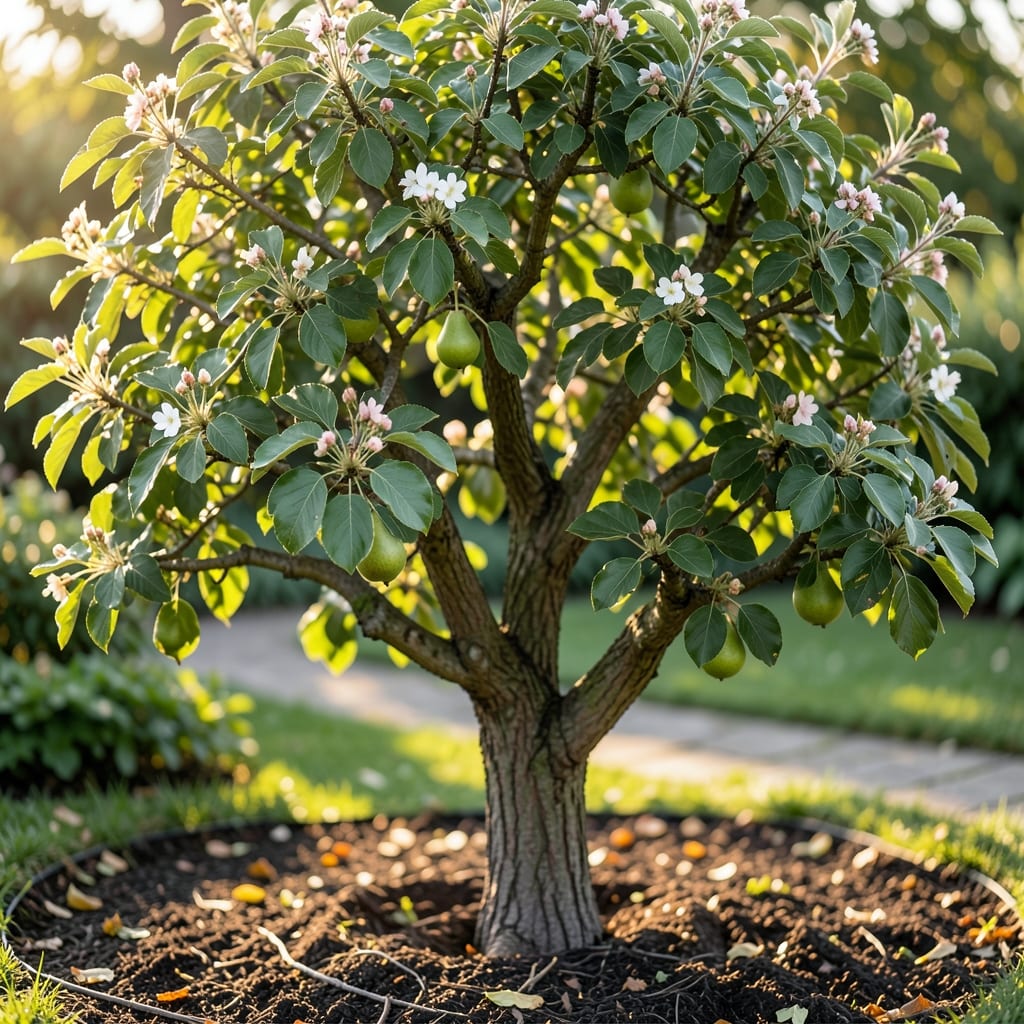
If you're wondering "how tall can a pear tree grow", the answer might surprise you—these trees can stretch from a cozy 6 feet to a towering 60 feet, depending on the variety and care you provide. Whether you're dreaming of a backyard orchard or just a single 🍐 Pear Tree in your garden, understanding height variations is key to planning your space.
Standard pear trees often reach heights of 20 to 50 feet at maturity, making them a stunning but space-demanding addition to larger properties. But don’t worry—dwarf and semi-dwarf varieties are perfect for smaller yards, staying between 8 to 18 feet tall. The right choice depends on your garden’s layout and your goals for fruit production.
Beyond variety, factors like soil quality, sunlight, and pruning techniques play a huge role in how tall your pear tree grows. With the right approach, you can manage its height to fit your space while still enjoying a bountiful harvest. Let’s break down the options and tips to help you choose the perfect pear tree for your garden.
From compact dwarf varieties that fit snugly in urban backyards to monumental trees that dominate orchards, there’s a pear tree size for every gardener. Discover which one aligns with your vision—and how to nurture it to reach its full potential without overpowering your space.


Pear tree height by variety: dwarf to monumental sizes explained
Pear trees come in a stunning range of sizes, from dwarf varieties that fit neatly into small yards to monumental trees that dominate orchards. The height of your pear tree depends on its rootstock and cultivar, with some varieties reaching 60 feet while others stay under 10 feet. Understanding these differences helps you choose the perfect tree for your space and gardening goals.
Dwarf pear trees are bred to stay between 8 to 12 feet tall, making them ideal for urban gardens, patios, or even large containers. These compact trees produce fruit just like their larger counterparts but require less space and maintenance. If you’re working with limited room, a dwarf variety could be your best bet for enjoying fresh pears without sacrificing yard space.
Semi-dwarf pear trees strike a balance, typically growing 12 to 18 feet tall. They’re a popular choice for home gardens because they offer a manageable size while still providing ample fruit production. Semi-dwarf trees often require minimal pruning to control their height, making them low-maintenance yet productive additions to any landscape.
Standard pear trees are the classic choice for orchards and larger properties, maturing between 20 to 50 feet. These trees produce abundant fruit but need plenty of space to grow. If you have a spacious backyard or orchard, a standard pear tree can become a stunning focal point while providing a bountiful harvest for years to come.
Monumental pear trees, while rare, can grow over 60 feet tall, making them more suited for parks, large estates, or commercial orchards. These giants require significant space, deep soil, and professional care, but they offer unparalleled beauty and productivity for those with the resources to accommodate them.
| Variety Type | Mature Height | Best For | Space Needs |
|---|---|---|---|
| Dwarf | 8–12 ft | Small yards, containers, urban gardens | Minimal (6' x 6' area) |
| Semi-Dwarf | 12–18 ft | Home gardens, patios, small orchards | Moderate (10' x 10' area) |
| Standard | 20–50 ft | Large backyards, orchards | Extensive (20' x 20' area) |
| Monumental | 50–60+ ft | Parks, estates, commercial orchards | Massive (50' x 50' area) |
The rootstock you choose plays a critical role in determining your pear tree’s height. Dwarf rootstocks like Quince C or Old Home x Farmingdale keep trees small, while standard rootstocks like Seeding or Ohio x Farmingdale allow trees to grow tall. Always check the rootstock details when selecting a pear tree, as this factor alone can influence height by 50% or more.
Climate and soil conditions also affect how tall a pear tree grows. Trees in rich, well-draining soil with ample sunlight tend to grow taller and produce more fruit. In contrast, poor soil or limited sunlight can stunt growth, keeping trees smaller than expected. If you’re in a cooler climate, some varieties may grow more slowly, while warmer regions can accelerate growth.
Popular dwarf varieties like 'Hood' or 'Seckel' are perfect for small spaces, while standard varieties such as 'Bartlett' or 'Anjou' thrive in larger gardens. Each variety has unique growth habits, so research which one aligns with your garden’s size and climate before planting.
No matter which size you choose, pear trees are a rewarding addition to any garden. With the right variety and care, you can enjoy fresh pears while keeping your tree at the perfect height for your space. Whether you opt for a compact dwarf or a towering standard, your pear tree will bring beauty and bounty to your landscape.
Pear tree height by variety: dwarf to monumental sizes explained
Choosing a pear tree variety isn’t just about flavor—it’s about space. The height differences between dwarf and standard trees can change how you design your garden. Dwarf varieties, like 'Hood' or 'Seckel', stay between 8 to 12 feet, perfect for small backyards. Semi-dwarf types, such as 'Bartlett' on Quince C rootstock, reach 12 to 18 feet, offering a balance of size and fruit production.
On the other end of the spectrum, standard pear trees can soar to 20 to 50 feet, dominating orchards and large properties. Varieties like 'Anjou' or 'Bosc' on seedling rootstock grow tall naturally, requiring ample space for their sprawling canopies. Even monumental trees, like 'Champagne', can exceed 50 feet if unpruned, making them unsuitable for urban gardens.
The rootstock you choose directly influences height. For example, Quince A rootstock produces dwarf trees, while seedling rootstock yields full-sized specimens. If you’re planting in a small urban garden, opt for dwarf varieties grafted onto Quince A or Pyrodwarf rootstock. These stay manageable while still producing abundant fruit.
For larger properties, semi-dwarf or standard varieties offer more fruit per tree without overwhelming your landscape. Just ensure you have 15+ feet of vertical clearance for standard trees to avoid future pruning headaches. Always check the mature height label when purchasing, as misinformation can lead to regretful space constraints.
Climate also plays a role in height. Cooler regions (USDA Zones 5–7) may see slower growth, while warmer zones (Zones 8–10) can accelerate height gains. If you’re in a hot, dry climate, consider drip irrigation and mulch to support healthy growth without excessive height spikes.
Whether you’re aiming for a compact backyard tree or a monumental orchard centerpiece, selecting the right variety and rootstock ensures your pear tree thrives—and fits—where you plant it. Next, we’ll explore how to control height through pruning and training, so you can shape your tree to match your garden’s vision.