
Trees
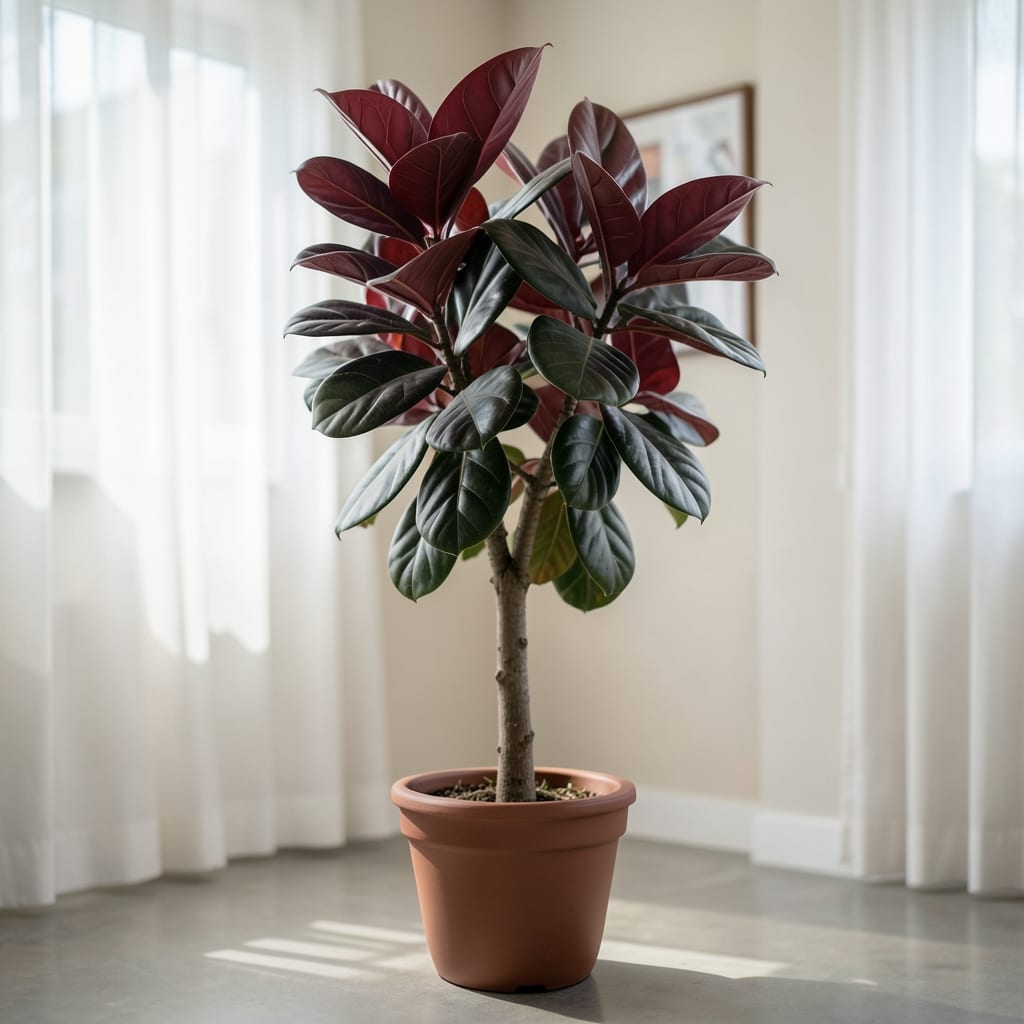
If you’ve ever wondered how tall a rubber tree can grow and whether your leafy friend 🌿 could one day reach for the ceiling—or even the sky—you’re not alone. The answer depends entirely on where you grow it, and the difference between indoor and outdoor conditions is staggering.
Indoors, most rubber trees stay between 3 and 10 feet, making them perfect for living rooms or hallways. But outdoors in warm climates, they can shoot up to 30–50 feet, turning into towering tropical giants. The key? Light, space, and a little pruning know-how.
Whether you’re dealing with a compact apartment or a sprawling backyard, I’ll show you exactly how to control—or encourage—that growth. Let’s dive into the factors that shape your rubber tree’s future height.
From dwarf varieties that stay under 5 feet to unchecked outdoor growth that rivals small trees, the possibilities are endless. Ready to learn how to shape your plant’s destiny?


Indoor rubber tree height limits: controlling growth in small spaces
Your indoor rubber tree (Ficus elastica) is a master of adaptability, but its height depends heavily on your care routine. Without intervention, these trees can reach 10–15 feet indoors over 5–10 years, though most homeowners keep them between 3–8 feet through pruning and container size. The key? Understanding how light exposure, pot restrictions, and pruning frequency shape its vertical growth.
In low-light apartments, rubber trees grow slower—adding just 6–12 inches per year—while bright indirect light can push growth to 18–24 inches annually. Even in ideal conditions, root-bound pots act as natural growth inhibitors, forcing the tree to focus energy on leaf production rather than height. This is why many indoor rubber trees max out at 6–10 feet unless given extra space or aggressive pruning.
🌱 Growth Rate Comparison Table
| Condition | Annual Growth | Mature Height (Indoors) | Care Tip |
|---|---|---|---|
| Low light (north window) | 6–12 inches | 5–8 feet | Rotate pot monthly for even growth |
| Bright indirect light | 18–24 inches | 8–12 feet | Prune top growth in spring |
| Root-bound in small pot | 3–6 inches | 3–6 feet | Repot every 2–3 years |
| Large container (20+ gallons) | 24–36 inches | 10–15 feet | Fertilize monthly in growing season |
Container size is the single biggest factor controlling height. A 5-gallon pot will keep your rubber tree under 6 feet, while a 20-gallon container can support heights of 10–15 feet if given proper light. The rule of thumb? For every 12 inches of height you want to limit, reduce pot size by 2–3 gallons. This forces the tree to allocate energy to lateral growth instead of vertical spikes.
Pruning isn’t just about aesthetics—it’s a growth management tool. Cutting back the top 6–12 inches in early spring encourages bushier growth and can reduce annual height gain by 30–50%. For a bonsai-style rubber tree, prune aggressively every 3–4 months and use wire training to guide growth patterns. Just be prepared for slower recovery after heavy pruning, as rubber trees can take 4–6 weeks to regenerate new leaves.
Light quality matters just as much as quantity. While rubber trees tolerate low-light conditions, they’ll stretch dramatically toward light sources—a phenomenon called etiolation. This not only makes them top-heavy but also weakens their structure. To prevent leggy growth, place your tree within 3 feet of an east- or west-facing window and supplement with a grow light if natural light is insufficient. A 12-inch LED grow bulb placed 18 inches above the plant can add 2–3 extra hours of effective light daily.
Fertilizer type and schedule also influence height. A high-nitrogen fertilizer (like 30-10-10) promotes leafy growth but can make stems softer and more prone to bending. For height control, opt for a balanced 10-10-10 formula and apply it only during spring and summer. Over-fertilizing in fall or winter can lead to uncontrolled vertical growth spurts when the tree should be dormant. Always flush the soil with water after fertilizing to prevent salt buildup, which stresses roots and indirectly affects growth patterns.
If you’re aiming for a compact rubber tree, consider these three pro tips from urban gardeners: First, top-dress the soil annually with orchid bark mix to improve aeration and slow root expansion. Second, rotate the pot 90 degrees every 2 weeks to prevent one-sided growth toward light. Third, mist leaves weekly to increase humidity, which naturally slows growth rates by 10–15% compared to dry-air environments.
Remember, rubber trees are notoriously slow to recover from drastic height reductions. If you prune too aggressively, the tree may take 6–12 months to fill out again. For best results, prune incrementally—removing only 10–20% of the canopy per session. And always use sterilized pruning shears to prevent bacterial infections at the cut sites, which can further stunt growth.
For the ultimate height control, combine these techniques: Use a smaller pot, limit fertilizer to spring/summer only, and prune twice annually. With this approach, you can maintain a 3–5 foot rubber tree indefinitely—perfect for apartments, offices, or even hanging baskets (where height is naturally limited by the
Outdoor rubber tree growth: unleashing its full height potential
When your rubber tree (Ficus elastica) escapes indoors and thrives outdoors in tropical or subtropical climates, it transforms from a houseplant into a towering jungle giant. In ideal conditions, these trees can reach 30–50 feet tall—or even surpass that with perfect care! Unlike their indoor counterparts, outdoor rubber trees grow 3–5 times faster, thanks to abundant sunlight, spacious root systems, and year-round warmth.
The fastest-growing rubber trees in outdoor settings can add 3–6 feet annually, with some varieties like 'Robusta' or 'Tineke' hitting 50+ feet within 10–15 years. However, growth rates slow dramatically in cooler climates (USDA Zones 8–10), where trees may max out at 15–25 feet due to seasonal dormancy.
🌳 Fastest-Growing Outdoor Rubber Tree Varieties
- 🌱 'Robusta': 3–5 ft/year | Mature height: 40–60 ft | Thrives in full sun with rich, moist soil
- 🌿 'Tineke': 2.5–4 ft/year | Mature height: 30–45 ft | Variegated leaves add 10–15% slower growth than solid green varieties
- 🌳 'Black Prince': 2–3.5 ft/year | Mature height: 25–35 ft | Dark foliage absorbs more heat, speeding root expansion
- 🪴 'Burgundy': 2–3 ft/year | Mature height: 20–30 ft | Prefers partial shade in hot climates, slowing height but increasing leaf density
- 🌿 'White Princess': 1.5–2.5 ft/year | Mature height: 15–25 ft | Variegated growth naturally limits height by 20–30%
Outdoor rubber trees need 6+ hours of direct sunlight daily to reach their full height potential. Without enough light, they’ll grow leggy and weak, with stems stretching up to 12 inches per foot of height—a clear sign of light deprivation. In humid climates (like Florida or Hawaii), growth accelerates by 20–30% due to higher moisture levels, while drought-prone areas (like Arizona) may see 10–15% slower growth unless irrigated deeply.
Soil type plays a critical role in outdoor height. Rubber trees thrive in well-draining, slightly acidic soil (pH 6.0–6.5), but clay-heavy or waterlogged soils can stunt growth by up to 50% due to root rot. Amend native soil with compost or orchid bark to improve aeration, which encourages deeper root systems and faster vertical growth. In urban landscapes, raised beds with 50% organic matter can boost height by 1–2 feet annually compared to in-ground planting.
Pruning outdoors serves a different purpose than indoors—it’s mostly for shaping and safety, not height control. However, aggressive pruning every 2–3 years can reduce height by 30–40% if done in late winter before new growth begins. For landscape purposes, many gardeners prune rubber trees into multi-trunk specimens or hedge-like forms, which naturally limit vertical growth while encouraging width.
If you’re planting a rubber tree outdoors to maximize height, choose a sunny, sheltered spot with 6+ feet of clearance above (to avoid power lines or structures). Mulch the base with 3–4 inches of wood chips to retain moisture and reduce temperature fluctuations, which can double growth rates in the first 3–5 years. Avoid fertilizing heavily in the first year—let the tree establish its root system first. Once established, a slow-release fertilizer (10-10-10) applied twice annually can add 1–2 extra feet of growth per year.
In cooler climates (Zones 7–8), rubber trees may shed leaves annually but will regrow quickly in spring, adding 2–3 feet of new growth each season. If you live in Zone 6 or colder, grow rubber trees in large containers and overwinter them indoors—this completely halts height growth until moved back outdoors in spring. With the right conditions, your outdoor rubber tree could dwarf a two-story house within a decade!