
Succulent
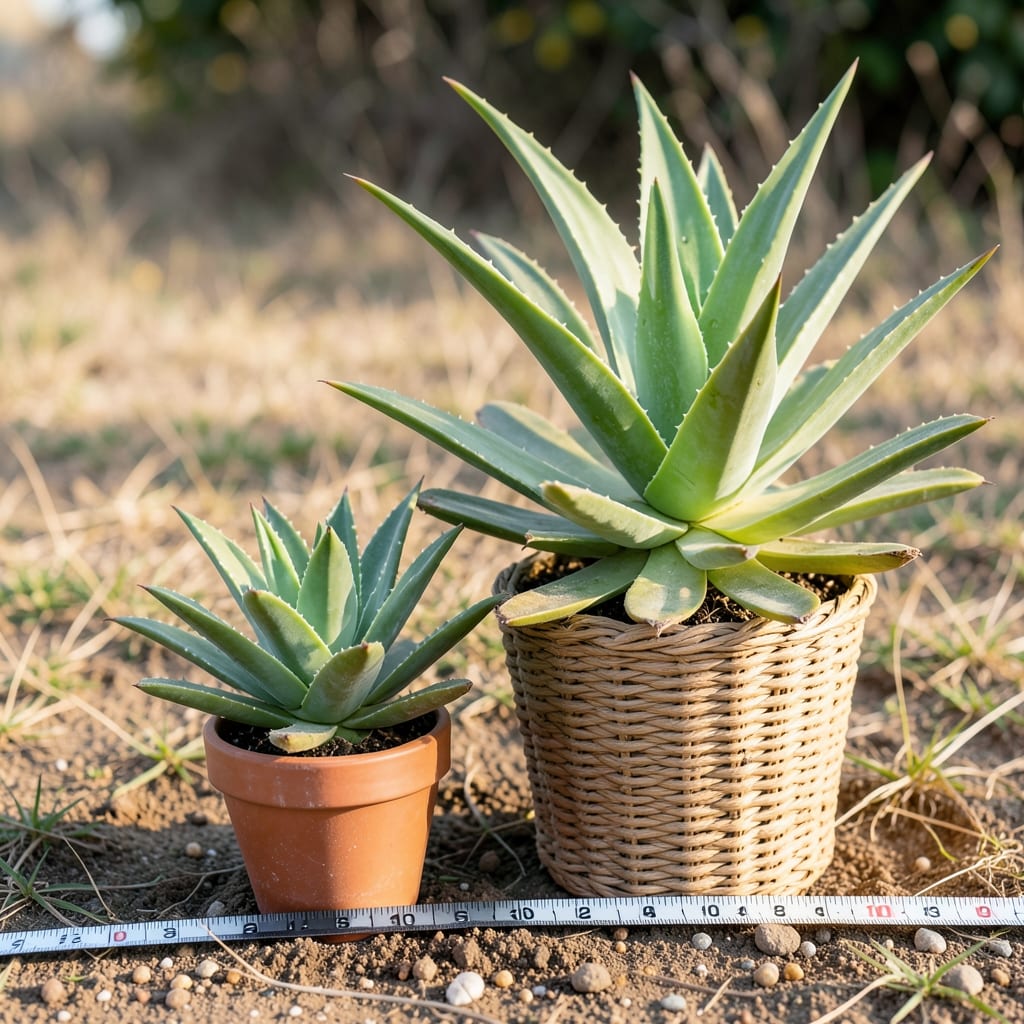
If you’ve ever wondered how tall can a succulent grow, the answer might surprise you—some stay tiny enough to fit on a windowsill, while others stretch taller than your ceiling! The truth is, succulent heights vary wildly, from thumb-sized Haworthias to tree-like Yuccas that reach 10 feet or more.
What you might not realize is that a succulent’s final height depends on more than just its species. Light exposure, soil quality, and even the size of its pot can push a plant toward becoming a compact bush or a towering giant. For example, a Jade Plant might stay under 3 feet with proper care, but neglect can turn it leggy and stretched.
Whether you’re dreaming of a miniature garden or a dramatic statement plant, understanding these growth patterns is key. I’ll break down the height ranges of popular varieties, the factors that influence their size, and practical tips to encourage—or limit—their growth naturally.
Ready to discover which succulents will stay small, which could outgrow your shelves, and how to keep them thriving at any size? Let’s dive in!


Succulent growth heights by variety: from dwarf to giant species
Succulents come in every size imaginable, from tiny desk companions to floor-filling giants. The key to predicting height lies in understanding their natural growth patterns. Some species, like Haworthia, stay under 3 inches tall their entire lives, while others, such as Agave americana, can reach 10 feet or more in ideal conditions.
Even within the same genus, heights can vary dramatically. For example, Echeveria species typically max out at 6–12 inches, but Echeveria gibbiflora might only grow to 2 inches across, while Echeveria agavoides can stretch to 12 inches tall. This diversity means your choice of succulent will determine whether you’re dealing with a windowsill plant or a statement piece for your garden.
Below, I’ve organized succulents by their mature height ranges—dwarf, medium, and giant—so you can pick the perfect fit for your space. Whether you’re a desk gardener or a landscape designer, knowing these ranges will help you plan for the future.
If you’re curious about how quickly these plants grow, dwarf succulents like Haworthia often mature in just 1–3 years, while giant varieties like Agave americana can take decades to reach their full height. This slow-and-steady growth is one reason succulents are so low-maintenance—they’re not going to outgrow your space overnight!
For indoor gardeners, medium-sized succulents like Jade Plants or Aloe vera are popular choices because they fit well on shelves or countertops. Meanwhile, outdoor enthusiasts often gravitate toward tall succulents like Yucca or Agave to create dramatic focal points in xeric landscapes.
One common misconception is that all succulents grow tall. In reality, many of the most popular varieties—like Echeveria or Sedum—stay compact and bushy. The key to encouraging this growth habit is providing the right light, soil, and container size. For example, a Jade Plant in a small pot will stay shorter than one in a large container.
If you’re planning a succulent collection, mixing heights can create a visually stunning display. Pair dwarf varieties in the front with taller species in the back for a layered, textured look. Just remember: the taller the succulent, the more support it may need—especially in windy or outdoor conditions.
For those who love unusual shapes, some succulents like Beaucarnea recurvata (Elephant’s Foot) grow upward but also spread outward, creating a tree-like structure that can reach 6 feet tall and 5 feet wide. This makes them perfect for statement pieces in larger spaces.
Whether you’re a beginner or a seasoned gardener, knowing these height ranges will help you choose the right succulent for your space—and avoid the surprise of a 10-foot-tall monster in your living room! Next, we’ll explore what really determines how tall your succulent will grow—and how you can influence its size naturally.
What determines a succulent’s height? Genetics, care, and growth hacks
You might assume that a succulent’s height is purely genetic, but the truth is far more interesting. While genetics set the baseline—like a Haworthia staying under 3 inches—environmental factors can push a plant to grow taller (or shorter) than expected. For example, a Jade Plant might stay compact in a small pot but stretch toward the sky if repotted in a large container. Understanding these factors lets you guide growth intentionally.
The biggest influencers on succulent height are sunlight exposure, soil quality, and watering habits. Succulents naturally stretch toward light, a behavior called etiolation. If your plant isn’t getting enough bright, direct light, it’ll grow leggy and weak, reaching for sunlight like a sunflower. On the flip side, too much shade can stunt growth entirely, leaving your succulent small and sparse.
Here’s the kicker: overwatering is a silent growth hacker. While succulents store water in their leaves, excess moisture triggers rapid, weak growth. A well-draining soil mix with perlite or sand prevents this, while underwatering can actually encourage slower, stockier growth—though it’s a fine line, as too little water stresses the plant. The key is consistency: water deeply but infrequently, letting the soil dry completely between waterings.
🌱 5 Key Factors That Shape Succulent Height
- 1. Light Exposure: 6+ hours of sun = compact, healthy growth; less light = leggy, stretched stems.
- 2. Pot Size: Small pots = shorter plants; large pots = taller, faster growth (but risk root rot).
- 3. Soil Drainage: Fast-draining mixes = controlled growth; heavy clay = weak, waterlogged stems.
- 4. Watering Routine: Deep but infrequent watering = thicker stems; frequent shallow watering = rapid, weak growth.
- 5. Fertilizer Use: Balanced, low-nitrogen fertilizer = steady growth; over-fertilizing = leggy, top-heavy plants.
Another surprising factor is temperature fluctuations. Succulents native to cooler climates, like Sedum, may grow more slowly in hot, dry conditions, while desert-dwellers like Agave thrive and stretch in full sun and heat. If you’re growing succulents indoors, rotate your pots regularly to ensure even light exposure—this prevents one-sided growth and keeps your plant symmetrical and sturdy.
For outdoor gardeners, wind exposure plays a role too. Tall succulents like Yucca or Agave may lean or split if not staked or planted in sheltered spots. A simple bamboo stake or pebble mulch around the base can provide support without restricting growth. Even indoor succulents benefit from gentle support—like a small trellis for trailing varieties—to prevent them from toppling as they grow.
Finally, don’t underestimate the power of pruning and propagation. Regularly trimming leggy stems not only encourages bushier growth but also redirects energy to healthier, thicker stems. For example, if your Echeveria starts to stretch, snipping the top leaves and propagating them can reset growth patterns and keep your plant compact and vibrant. It’s like giving your succulent a growth reset button!
Armed with these insights, you can nurture the perfect-sized succulent—whether you want a tiny desk companion or a room-filling centerpiece. Next, we’ll dive into practical techniques for managing height, including pruning, topping, and propagation to keep your succulents thriving at any size.