
How To
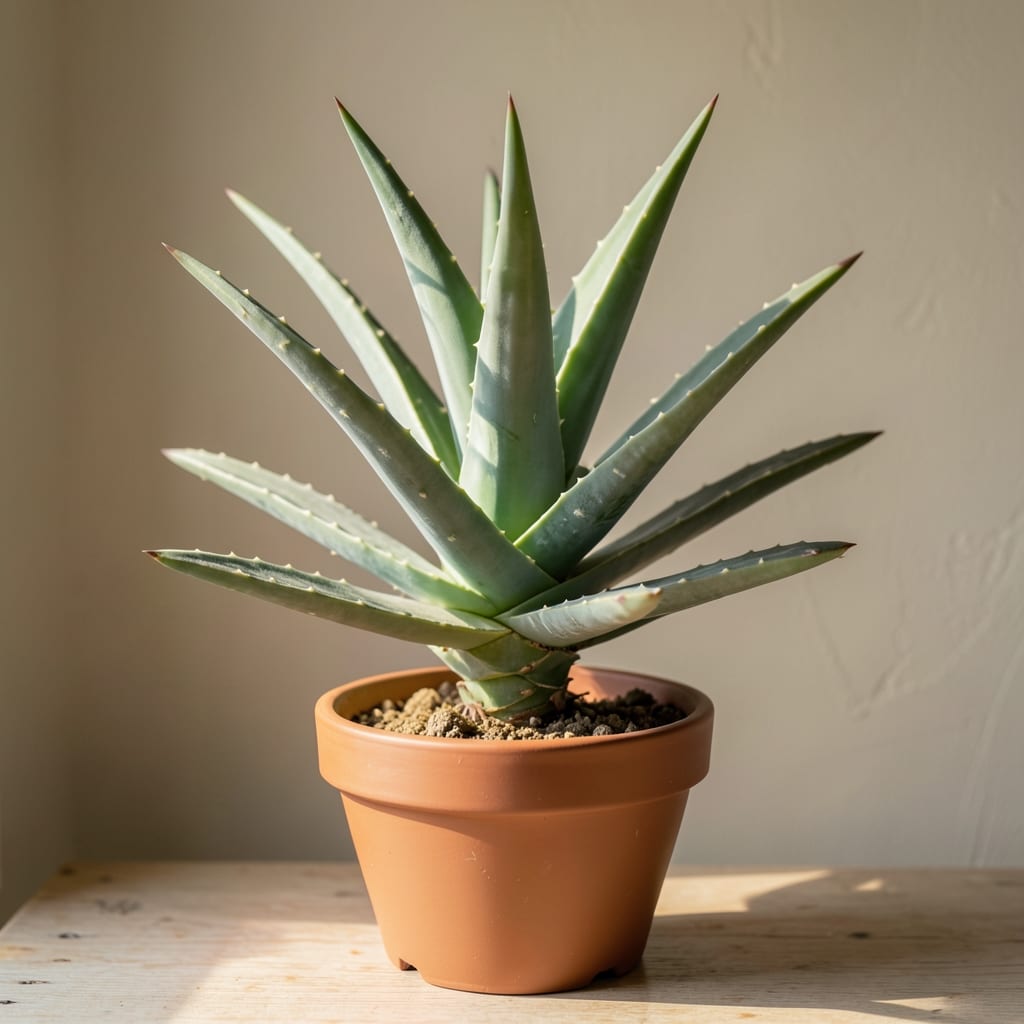
If you’ve ever wondered just how tall can aloe vera grow in your home or garden, the answer might surprise you—especially when you consider the right variety and care habits. This succulent powerhouse can range from a modest 12 inches to a towering 3 feet or more, depending on whether it’s thriving in a sunny patio or a cozy indoor spot.
The key to unlocking your aloe vera’s full height potential lies in understanding its natural growth patterns and the subtle (but crucial) differences between varieties like the classic 🌵 Aloe barbadensis miller and its taller cousins. With the right balance of sunlight, soil, and a little patience, you could be nurturing a plant that’s not just a decorative centerpiece, but a living medicine cabinet too.
But here’s the catch: most people unknowingly stunt their aloe vera’s growth by overwatering, using the wrong soil, or crowding it in a pot that’s too small. I’ll show you exactly how to avoid these mistakes and create the perfect conditions—whether you’re growing it in USDA Zones 8-11 or keeping it happy as a container plant indoors.
Ready to turn your aloe vera from a tiny 1-foot wonder into a 3-foot statement plant? Let’s dive into the secrets behind its growth—and how to give it the care it truly deserves.

Aloe vera growth heights by variety: from compact to towering
Aloe vera’s height depends entirely on its variety and growing conditions. While most people picture the classic Aloe barbadensis miller (the medicinal type), other varieties can grow significantly taller—some even reaching tree-like proportions with proper care. Understanding these differences helps you choose the right plant for your space and goals.
For example, the common aloe vera (Aloe barbadensis miller) typically matures between 12–24 inches tall in containers, while its cousin, the tree aloe (Aloe arborescens), can soar up to 8–10 feet in ideal outdoor conditions. Even dwarf varieties (like Aloe brevifolia) max out at just 6–12 inches, making them perfect for windowsills.
The key difference lies in their natural growth habits. Some aloe varieties grow in dense rosettes (like Aloe barbadensis), while others develop woody stems (like Aloe dichotoma), allowing them to reach greater heights. Let’s break down the most popular varieties and their mature sizes.
| Variety | Common Name | Mature Height (Outdoor) | Mature Height (Potted) | Ideal Growing Conditions |
|---|---|---|---|---|
| Aloe barbadensis miller | Common Aloe Vera | 12–24 inches | 12–18 inches | Bright indirect light; well-draining soil |
| Aloe arborescens | Tree Aloe | 6–10 feet | 3–5 feet (large pot) | Full sun; arid, rocky soil |
| Aloe dichotoma | Quiver Tree | 15–30 feet | Not recommended for pots | Full sun; drought-resistant soil |
| Aloe brevifolia | Dwarf Aloe | 6–12 inches | 6–12 inches | Partial shade; moist but well-draining soil |
| Aloe striata | Ghost Aloe | 12–18 inches | 10–15 inches | Bright light; sandy, gritty soil |
Note: Heights vary based on sunlight, soil, and container size. Outdoor plants grow taller than potted varieties.
If you’re growing aloe vera indoors, expect 20–30% shorter heights due to limited sunlight and space. For instance, a tree aloe (Aloe arborescens) might only reach 3–5 feet in a large pot, while the same plant outdoors could double that height. The container size also plays a role—deeper pots encourage root growth and taller stems.
For medicinal purposes, the Aloe barbadensis miller is the gold standard, but its compact size makes it ideal for kitchen windowsills or small offices. If you’re drawn to dramatic heights, consider the tree aloe—just be prepared for its eventual need for outdoor space or a large, sturdy pot.
One common misconception is that all aloe vera plants grow equally tall. In reality, stemless varieties (like Aloe barbadensis) stay low to the ground, while stemmed varieties (like Aloe arborescens) grow vertically. This distinction is critical if you’re designing a succulent garden or choosing plants for a small apartment.
Pro tip: If you love the look of a tall aloe vera but lack outdoor space, opt for a large, deep pot (at least 12 inches deep) and place it near a south-facing window. This setup mimics outdoor conditions and encourages vertical growth without sacrificing your indoor layout.
Finally, remember that height isn’t the only factor—leaf size and thickness also vary by variety. For example, Aloe dichotoma has thicker, longer leaves than Aloe barbadensis, making it a statement piece in xeric landscapes. Choose based on both aesthetics and your care capacity!
🌵
Factors that influence aloe vera height: light, soil & care secrets
You’ve picked your favorite aloe vera variety, but its height potential hinges on three critical factors: sunlight exposure, soil drainage, and watering habits. Get these wrong, and even a tree aloe (Aloe arborescens) might stay stunted at 3 feet instead of its full 8-foot glory. Let’s uncover how to optimize each for maximum growth.
First, sunlight is the #1 growth driver. Aloe vera thrives on 6+ hours of direct sun daily, but too much scorching afternoon heat can stunt growth. Place potted plants near south-facing windows or use grow lights for indoor varieties. Without enough light, your aloe’s leaves will stretch (a condition called etiolation) and stay pale and thin—a sure sign it’s not reaching its height potential.
Next, soil drainage makes or breaks aloe vera’s vertical growth. These plants hate soggy roots, which can rot and halt height progression. Use a cactus/succulent mix with perlite or pumice to mimic desert conditions. Poor drainage forces aloe vera to divert energy to survival instead of growth, keeping it 20–30% shorter than its potential.
⚠️ Common Mistakes That Stunt Aloe Vera Growth
Overwatering: Watering every week (instead of every 2–3 weeks) causes root rot, halting vertical growth. Solution: Let soil dry 2–3 inches deep before watering.
Small Pots: Roots bound by shallow containers (<6 inches deep) limit height. Solution: Repot into 12+ inch deep pots for taller varieties like Aloe arborescens.
Low Light: Placing aloe vera in north-facing rooms or under fluorescent lights slows growth. Solution: Move to bright indirect light or supplement with LED grow bulbs.
Nutrient Burn: Over-fertilizing with high-nitrogen mixes causes leaf scorch and stunted growth. Solution: Use balanced 2-4-2 NPK fertilizer every 6–8 weeks in spring/fall only.
The container size also plays a surprising role. Aloe vera’s roots grow downward, not outward, so deeper pots (not wider ones) encourage taller stems. For example, a tree aloe in a 5-gallon pot can reach 5 feet tall, while the same plant in a shallow 1-gallon pot might max out at 2 feet. If you’re growing aloe vera outdoors, amend the soil with sand or gravel to improve drainage and support taller growth.
Temperature and humidity also matter—aloe vera thrives in warm, dry climates (USDA Zones 8–11). Below 50°F, growth slows dramatically. In cooler zones, keep potted aloe vera near sunny windows or use a heat mat in winter. High humidity (above 60%) can cause fungal issues, further stunting height. Use a dehumidifier or ventilation fan if needed.
Finally, pruning habits can influence height over time. Removing overgrown leaves or pups redirects energy to the main stem, encouraging vertical growth. However, avoid aggressive pruning—this can shock the plant and reduce its overall size. Instead, focus on selective trimming to maintain a clean, upright form while maximizing height potential.
🌿