
How To
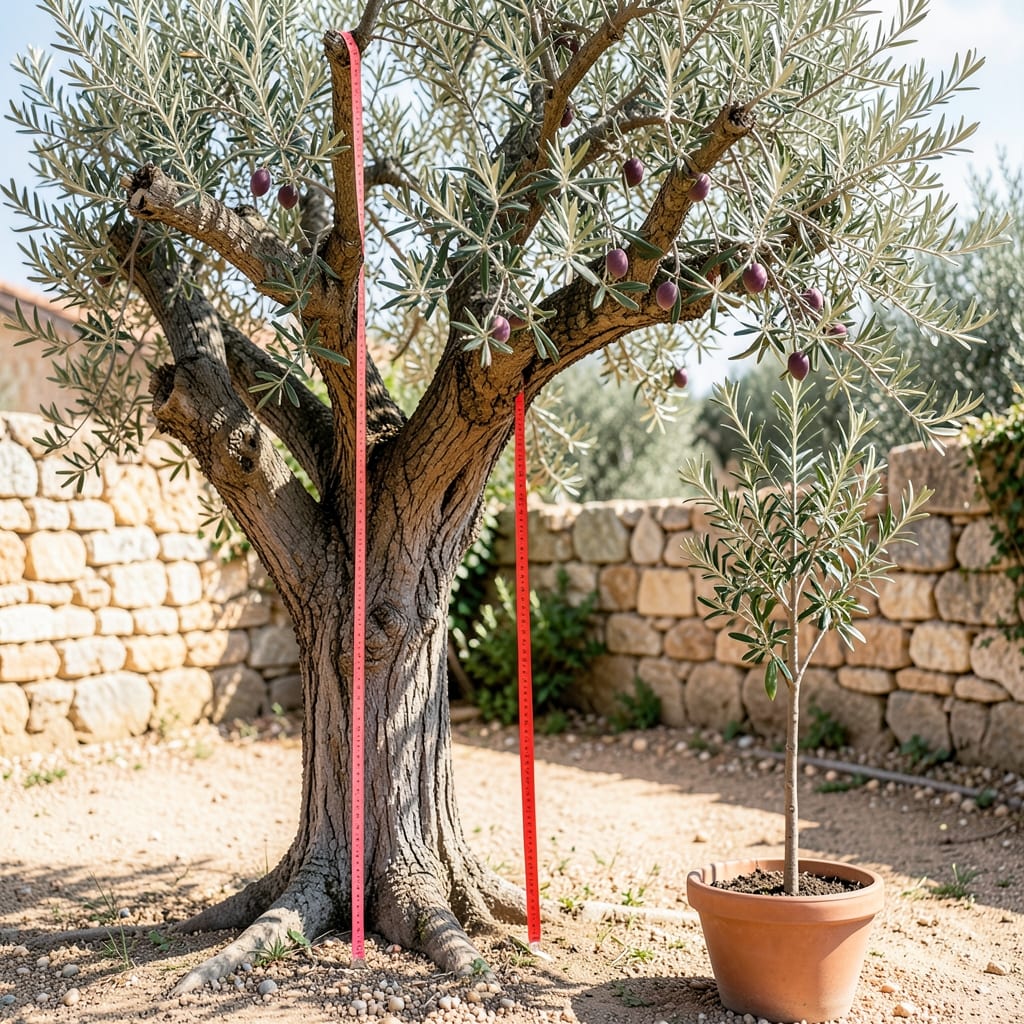
If you’ve ever wondered just how tall your 🫒 olive tree could grow, the answer might surprise you—some varieties stretch toward the sky like ancient Mediterranean sentinels, while others stay compact enough for even the smallest urban patio. The truth is, an olive tree’s height depends on far more than just its variety; where you plant it, how you prune it, and your local climate all play starring roles.
Imagine a 50-foot tree casting shade over your backyard or a neatly trimmed 8-foot dwarf variety gracing your balcony—both are entirely possible with the right approach. Whether you’re dreaming of a towering shade provider or a manageable container plant, understanding the factors that influence growth will help you make the perfect choice for your space.
From the Arbequina’s modest stature to the Frantoio’s impressive reach, different olive tree varieties offer wildly different mature heights. But even within the same species, pruning techniques and climate can turn a standard tree into a dwarf or a giant—with a little guidance, you’ll learn how to shape your tree’s future from the get-go.
Ready to discover how to grow an olive tree that fits your vision—whether it’s a tall backyard centerpiece or a compact container star? Let’s break down the science behind olive tree heights and how you can control the growth to match your space and goals.

Olive tree height by variety: dwarf vs. standard vs. giant species
Olive trees (Olea europaea) come in a stunning range of sizes, from compact dwarf varieties perfect for containers to towering standard trees that dominate landscapes. The height of your olive tree isn’t just about luck—it’s determined by its genetic variety, growing conditions, and how you prune it. Let’s break down the most popular types and what you can expect from each.
If you’re dreaming of a small olive tree for your patio, Arbequina and Little Ollie are your best bets, staying between 8-15 feet tall. These dwarf varieties are bred specifically for container gardening and thrive in USDA Zones 8-11. Meanwhile, traditional varieties like Frantoio or Mission can reach 30-50 feet if left unpruned, making them better suited for large gardens or rural properties.
Here’s how the most common olive tree varieties stack up in terms of mature height, along with their ideal growing conditions and best uses:
| Variety | Mature Height | Growth Rate | Best For | Notes |
|---|---|---|---|---|
| Arbequina | 8–15 ft | Slow to moderate | Containers, small gardens | Dwarf variety; produces small, flavorful olives. |
| Little Ollie | 10–12 ft | Slow | Urban patios, balconies | Cold-hardy to Zone 7; great for small spaces. |
| Frantoio | 30–50 ft | Moderate | Landscapes, orchards | Classic Italian variety; needs pruning to control height. |
| Manzanillo | 25–40 ft | Moderate | Large gardens, rural areas | Popular in California; dual-purpose (oil and table olives). |
| Mission | 20–30 ft | Slow to moderate | Mediterranean climates | Heat-tolerant; produces large, meaty olives. |
| Wild Olive (Olea europaea var. sylvestris) | 15–30 ft | Slow |
Climate zones and pruning: how to control olive tree growth naturallyYour olive tree’s height isn’t set in stone—it’s shaped by where you live and how you prune it. In Mediterranean climates (USDA Zones 8-11), olive trees thrive with minimal intervention, often reaching their natural 30-50 feet if left unpruned. But in cooler zones like Zone 7 or 6, growth slows dramatically, rarely exceeding 15-20 feet without protection. Pruning is your secret weapon. In warm zones, I prune my Arbequina olive tree lightly each spring to encourage bushier growth, keeping it under 10 feet. In colder zones, aggressive pruning in late winter prevents frost damage and maintains a compact shape. The key? Prune when new growth starts—just as buds swell but before leaves unfurl.
🌡️ Climate Zones & Pruning Tips
Sunlight exposure also plays a role. Olive trees in full sun (6+ hours daily) grow faster and taller than those in partial shade. I’ve seen Manzanillo varieties in California’s Central Valley hit 40 feet with no pruning, while the same tree in a shadier urban yard stays under 20 feet. If your yard lacks sunlight, consider a dwarf variety like ‘Little Ollie’—it maxes out at 8-10 feet even with minimal light. Pruning techniques matter just as much as when you prune. For a compact, ornamental look, use topiary or espalier to shape the tree into a pyramid, cube, or flat panel. I’ve trained a Frantoio olive tree along my fence using espalier, keeping it under 6 feet tall while maximizing fruit production. Just remember: Never remove more than 25% of foliage in one pruning—olive trees are sensitive to over-pruning. Seasonal timing is critical. In Zone 9-11, prune in late winter (February-March) to remove winter-damaged branches. In Zone 8, delay until March-April to avoid early frost. And in containers, prune year-round> to control root-bound stress. I once had a Mission olive tree in a pot that shot up 12 feet> in one year—until I pruned it back in summer and redirected its energy into bushier growth. Soil drainage affects height too. Olive trees in well-draining, rocky soil (like their native Mediterranean habitat) grow faster than those in heavy clay. Amend your soil with sand or gravel if needed, and avoid waterlogging. My Arbequina> in a container> grows 2 feet per year> because I use a fast-draining mix> with perlite and pumice. With the right climate, pruning, and soil, you can keep your olive tree at any height—from a 4-foot tabletop tree> to a 50-foot giant**>. Start small, observe how your tree responds, and adjust your approach each year. Your olive tree’s height is entirely in your hands! 🪴 |