
Size
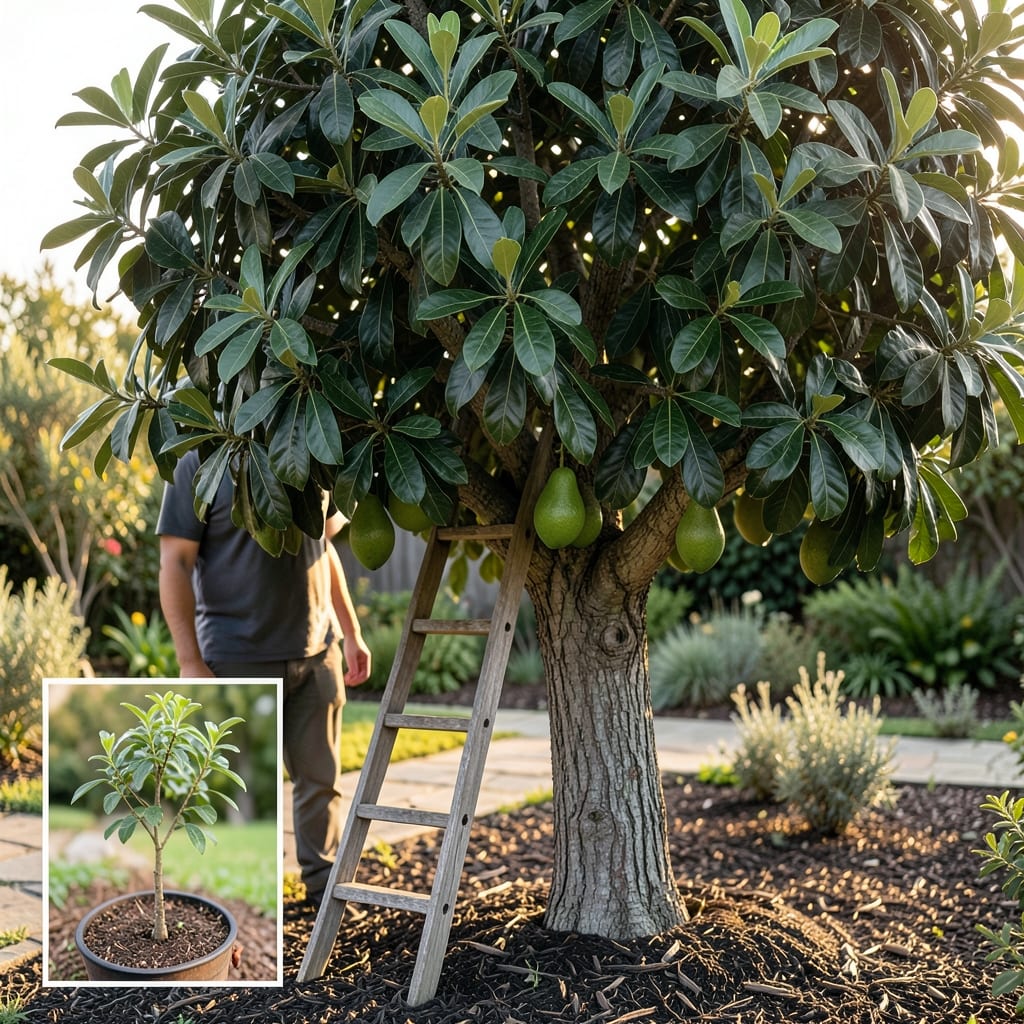
Have you ever wondered how tall avocado trees can grow? If you're dreaming of growing one in your backyard, you might be surprised to learn that some varieties can reach heights of 40 feet or more—taller than a three-story building!
But here's the twist: not all avocado trees grow this big. The height of your 🥑 tree depends on whether it's wild or cultivated, the variety you choose, and even where you live. Wild avocado trees often grow much taller than their domesticated cousins, which are bred to stay more manageable for home gardeners.
Whether you're working with a dwarf variety that stays under 20 feet or a standard tree reaching for the sky, understanding these growth patterns is key. I'll break down what influences your avocado tree's height and how you can control it—so you can enjoy those creamy, delicious avocados without losing your yard to a jungle.
From pruning tips to choosing the right rootstock, you'll discover how to keep your tree at the perfect height for your space. Let's dive into the secrets of managing avocado tree growth so you can enjoy both the fruit and the view!

Avocado tree height: wild vs cultivated growth differences explained
When it comes to how tall avocado trees grow, the difference between wild and cultivated varieties is staggering. In their natural habitat—think tropical rainforests of Mexico and Central America—avocado trees can reach 80 feet or taller, dwarfing even the tallest oak trees. These giants thrive with minimal human intervention, growing unchecked by pruning or space constraints.
In contrast, the domesticated avocado trees you're more likely to grow in your backyard typically max out at 20-30 feet. Breeders have spent decades selecting for compact growth habits, making these trees far more manageable for home gardeners. The key difference? Genetics and rootstock play a massive role in controlling height.
Wild avocado trees grow tall because they're adapted to compete for sunlight in dense forests. Their rapid vertical growth helps them reach the canopy layer quickly. Cultivated varieties, however, are often grafted onto dwarfing rootstocks that limit their height while still producing abundant fruit. This is why your neighbor's 15-foot Hass tree might look like a shrub compared to a wild specimen.
Climate also influences height. Avocado trees in tropical climates with warm year-round temperatures grow faster and taller than those in subtropical zones where cooler winters slow growth. For example, trees in California's coastal regions often stay smaller than those in Florida's heat, where they can grow more aggressively.
Soil quality matters too. Well-draining, nutrient-rich soil encourages faster growth, while poor soil can stunt a tree's development. In wild settings, avocado trees have evolved to thrive in volcanic soils rich in minerals, while home gardeners often need to amend their soil with compost or organic matter to support healthy growth.
Here's the fascinating part: even within cultivated varieties, pruning practices can dramatically alter a tree's mature height. A tree left completely unpruned might reach its full 30-40 foot potential, while regular structural pruning can keep it under 15 feet—perfect for small backyards or containers.
Understanding these differences helps you make informed choices. If you're working with a limited space, opt for a dwarf variety grafted onto a dwarfing rootstock like Mexicola. These trees often stay under 15 feet while still producing hundreds of avocados annually. For larger properties, standard varieties can reach their full 30-40 foot potential, creating a stunning focal point.
One common misconception is that bigger trees produce more fruit. That's not always true! Many dwarf varieties yield just as well as their taller counterparts. The Hass avocado, for example, is a popular choice because it produces heavy crops even when kept at 15-20 feet tall through proper pruning.
For those growing avocados in containers, height becomes even more manageable. With regular pruning and proper root restriction, you can keep a potted avocado tree under 8 feet tall while still enjoying fresh fruit. The trade-off? You'll need to repot every few years to accommodate root growth and maintain health.
Remember that even within cultivated varieties, individual trees vary. Factors like sun exposure, water availability, and soil fertility all play roles. A tree in full sun with rich soil will grow faster than one in partial shade with poor soil. Pay attention to your tree's growth patterns and adjust care accordingly.
Whether you're aiming for a towering specimen or a compact backyard tree, understanding these growth differences gives you the power to shape your avocado tree's future. With the right variety, care, and pruning techniques, you can enjoy both the beauty and bounty of this incredible fruit tree—no matter how tall you want it to grow! 🌳
How to control avocado tree height for home gardeners
Growing an avocado tree doesn’t mean you’re stuck with a towering giant in your backyard. With the right techniques, you can keep your tree at a manageable height—even down to dwarf varieties under 20 feet. The key lies in understanding pruning, rootstock selection, and container growing, all of which give you control over your tree’s vertical growth.
One of the easiest ways to manage height is by choosing a dwarfing rootstock. These specialized roots restrict the tree’s growth while still allowing it to produce fruit. Varieties like Mexicola or West Indian rootstocks are popular choices for home gardeners because they naturally keep trees shorter, often between 16 to 20 feet at maturity.
🌱
Step-by-Step Pruning Guide for Height Control
- Timing: Prune in late winter or early spring before new growth begins.
- Tools: Use sharp, sterilized pruners to avoid damaging branches.
- Structural Pruning: Remove 1/3 of the tallest branches to encourage bushier growth.
- Thinning Out: Eliminate crossing or inward-growing branches to improve airflow.
- Topping: Cut the main trunk back by 1/4 to 1/3 to reduce height quickly.
- Regular Maintenance: Prune lightly after harvest to shape the tree.
✂️ Pro Tip: Always prune just above a leaf node to encourage new growth.
Container growing is another fantastic option for controlling height. By planting your avocado tree in a large pot—at least 24 inches in diameter—you can restrict root growth, which naturally limits the tree’s height. Just
Seasonal pruning is crucial for maintaining your desired height. For example, light pruning in summer helps control rapid growth, while heavier pruning in winter shapes the tree for the upcoming season. Always aim to remove no more than 25% of the tree’s foliage in a single session to avoid stressing the plant.
If you’re growing a standard avocado tree, expect it to reach 30-40 feet without intervention. However, with consistent pruning and proper care, you can keep it at a more manageable 15-20 feet. The key is patience and regular maintenance—your tree will thank you with healthier branches and better fruit production.
For those who love the idea of an avocado tree but lack space, consider a bush-trained avocado. This method involves pruning the tree to encourage multiple trunks and a wide, low-growing shape. It’s perfect for small yards or even large containers, and it still produces plenty of fruit without the height.
With these techniques, you can enjoy the beauty and bounty of an avocado tree without sacrificing your backyard space. Whether you choose a dwarf variety, container growing, or regular pruning, the goal is the same: a healthy, manageable tree that fits your lifestyle. Happy pruning! 🪴