
Size
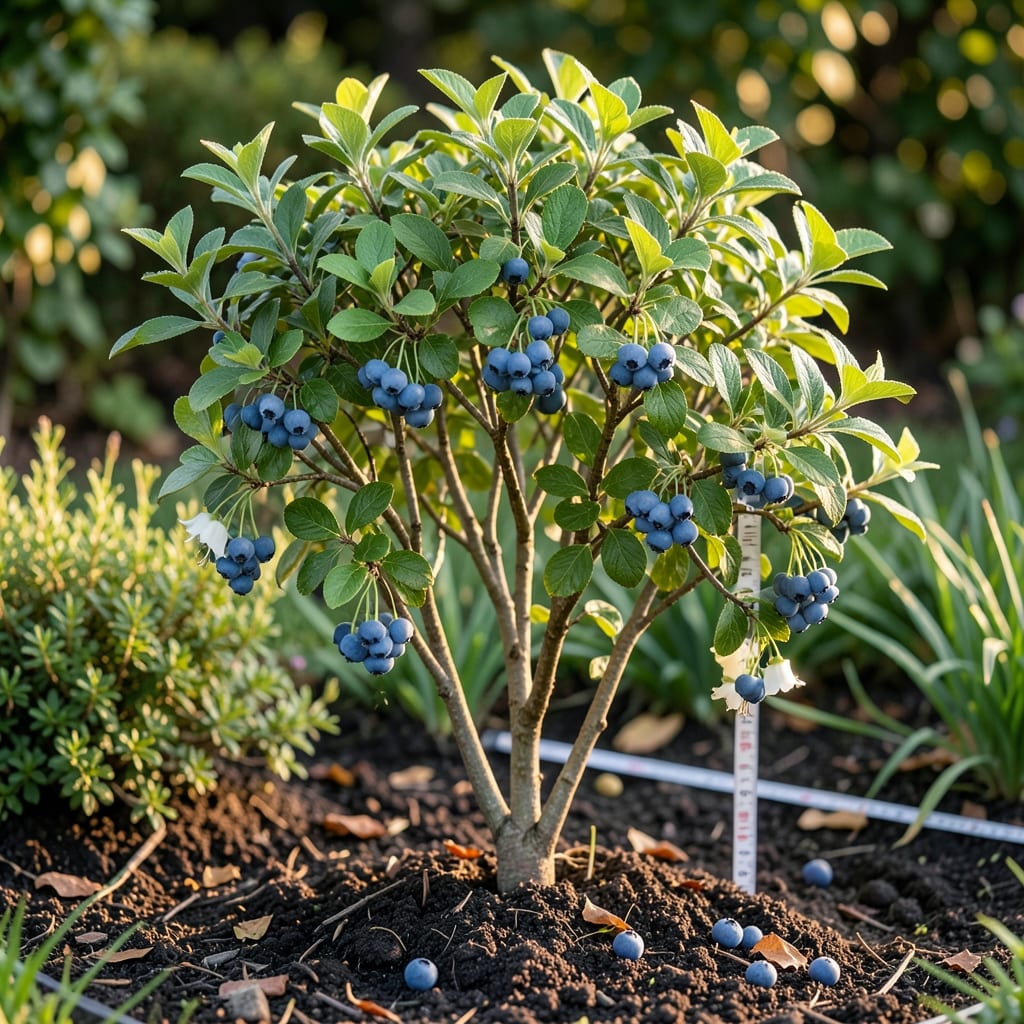
If you’ve ever wondered how tall can blueberry bushes grow, the answer might surprise you—these 🫐-producing powerhouses can range from compact 3-foot shrubs to towering 12-foot giants, depending on the variety and care you provide. For small gardens or container growing, dwarf types stay manageable, while standard bushes can quickly outgrow their space if left unchecked.
The key to controlling their height lies in choosing the right variety and pruning strategy. Whether you’re working with highbush or lowbush types, understanding their growth patterns helps you plan for yield and space efficiency. I’ll break down the height ranges by type and share tips to keep your bushes at your desired size—no matter how limited your garden is.
Many gardeners assume blueberry bushes will naturally grow into trees, but with proper pruning and care, you can train them to stay shorter. This is especially useful for urban gardeners or those with small yards. Let’s explore how to manage their growth so you can enjoy plump, juicy berries without sacrificing space.
From selecting the perfect variety for your space to mastering pruning techniques, you’ll learn everything you need to keep your blueberry bushes at the ideal height. Ready to transform your garden into a berry-producing paradise? Let’s get started.


Blueberry bush height by variety: dwarf to giant sizes explained
Understanding how tall can blueberry bushes grow starts with the variety you choose. Highbush varieties, like the popular Bluecrop or Duke, typically reach 6 to 10 feet at maturity, making them ideal for larger gardens or landscapes. These varieties are the most common in home gardens due to their productivity and adaptability to various climates.
If space is limited, dwarf varieties like Top Hat or Peach Sorbet are perfect solutions, staying between 1 and 3 feet tall. These compact bushes are also great for container gardening, allowing you to grow blueberries on patios, balconies, or even windowsills with proper care. Their smaller stature doesn’t compromise fruit production—just expect smaller yields compared to their taller counterparts.
Lowbush varieties, such as Lowbush or Wild Blueberry, are the shortest, rarely exceeding 2 feet in height. These are native to cooler climates and are often found in the wild. They’re perfect for ground covers or small gardens where you want to minimize vertical space while still enjoying a bountiful harvest.
For those in warmer climates, rabbiteye varieties like Climax or Powderblue can grow even taller, reaching 10 to 12 feet. These varieties thrive in the southeastern U.S. and are known for their large, sweet berries. However, their height requires more space and careful pruning to manage their growth.
Here’s a quick reference to help you visualize the differences:
| Variety | Height Range | Best For |
|---|---|---|
| Highbush (e.g., Bluecrop, Duke) | 6–10 ft | Larger gardens, landscapes |
| Dwarf (e.g., Top Hat, Peach Sorbet) | 1–3 ft | Containers, small spaces, patios |
| Lowbush (e.g., Wild Blueberry) | 1–2 ft | Ground covers, cool climates |
| Rabbiteye (e.g., Climax, Powderblue) | 10–12 ft | Warm climates, large spaces |
Choosing the right variety isn’t just about height—it’s also about climate adaptability and fruit flavor. For example, southern highbush varieties like O’Neal or Misty can grow up to 8 feet and are heat-tolerant, while northern highbush varieties like Jersey or Patriot stay slightly shorter (5 to 7 feet) but thrive in cooler temperatures.
One common misconception is that blueberry bushes will grow into trees. While they can reach impressive heights, they remain shrubs with multiple stems. Without proper pruning, they may become leggy or overgrown, but they won’t develop a single trunk like a tree. This makes them easier to manage in smaller spaces if you stay on top of pruning.
When planning your garden layout, consider the mature height of your blueberry bushes alongside other plants. For instance, pairing a 3-foot dwarf variety with 1-foot tall herbs like thyme or oregano creates a layered, visually appealing design. In contrast, a 10-foot rabbiteye bush might need to be planted along a fence or trellis to avoid shading out nearby plants.
If you’re growing blueberries in containers, opt for dwarf or semi-dwarf varieties to ensure they don’t outgrow their pots. A 5-gallon container is ideal for a Top Hat bush, while larger pots (at least 15 gallons) are better suited for semi-dwarf varieties like Pink Lemonade, which can reach 4 to 5 feet tall.
Finally, remember that soil conditions and sunlight exposure can influence height. Blueberries thrive in well-draining, acidic soil (pH 4.5–5.5) and full sun. Poor soil or shade can stunt growth, while ideal conditions encourage healthier, more robust bushes that reach their full potential height.
Blueberry bush height by variety: dwarf to giant sizes explained
Blueberry bushes come in a surprising range of heights, from compact 3-foot varieties perfect for containers to towering 12-foot giants that dominate landscapes. The variety you choose directly impacts your garden layout and maintenance needs. For example, lowbush types stay naturally short, while rabbiteye varieties can reach impressive heights if unchecked.
Understanding these differences helps you select the right bush for your space. Dwarf varieties like 'Top Hat' or 'Peach Sorbet' thrive in small gardens or even large pots, while standard types need room to spread. I’ve grown both in my own yard, and the difference in space requirements is dramatic—especially when they mature.
Here’s a quick breakdown of what to expect from common blueberry varieties, including their mature heights and ideal growing conditions:
| Variety Type | Mature Height | Best For | Notes |
|---|---|---|---|
| Dwarf (e.g., 'Top Hat', 'Peach Sorbet') | 1–3 ft | Containers, small gardens | Compact, ideal for patios |
| Semi-Dwarf (e.g., 'Bluecrop', 'Duke') | 3–5 ft | Backyard gardens, borders | Balanced size for most spaces |
| Standard (e.g., 'Jersey', 'Patriot') | 6–12 ft | Large landscapes, hedges | Requires pruning for height control |
| Lowbush (e.g., 'Wild Blueberry') | 1–2 ft | Wild harvesting, ground cover | Native to cooler climates |
| Rabbiteye (e.g., 'Climax', 'Powderblue') | 8–12 ft | Southern gardens, large yards | Heat-tolerant, large fruit |
Many gardeners mistakenly assume all blueberry bushes grow into 10-foot trees, but with the right variety, you can keep them much smaller. For instance, my 'Bluecrop' semi-dwarf stays around 4 feet with regular pruning, while my 'Jersey' standard would easily reach 10 feet without intervention. Choosing a dwarf or semi-dwarf variety is a game-changer for small spaces.
If you’re growing blueberries in containers, stick to dwarf varieties—they thrive in 15–20 gallon pots with proper drainage. Larger varieties need in-ground planting to support their weight and root systems. Always check the variety’s mature height before planting, as this determines your long-term space needs.
For urban gardeners or those with limited space, lowbush types or dwarf highbush varieties are ideal. They produce abundant fruit without taking over your garden. Just remember: even dwarf bushes benefit from annual pruning to maintain their compact shape and encourage fruit production.
🌱