
Size
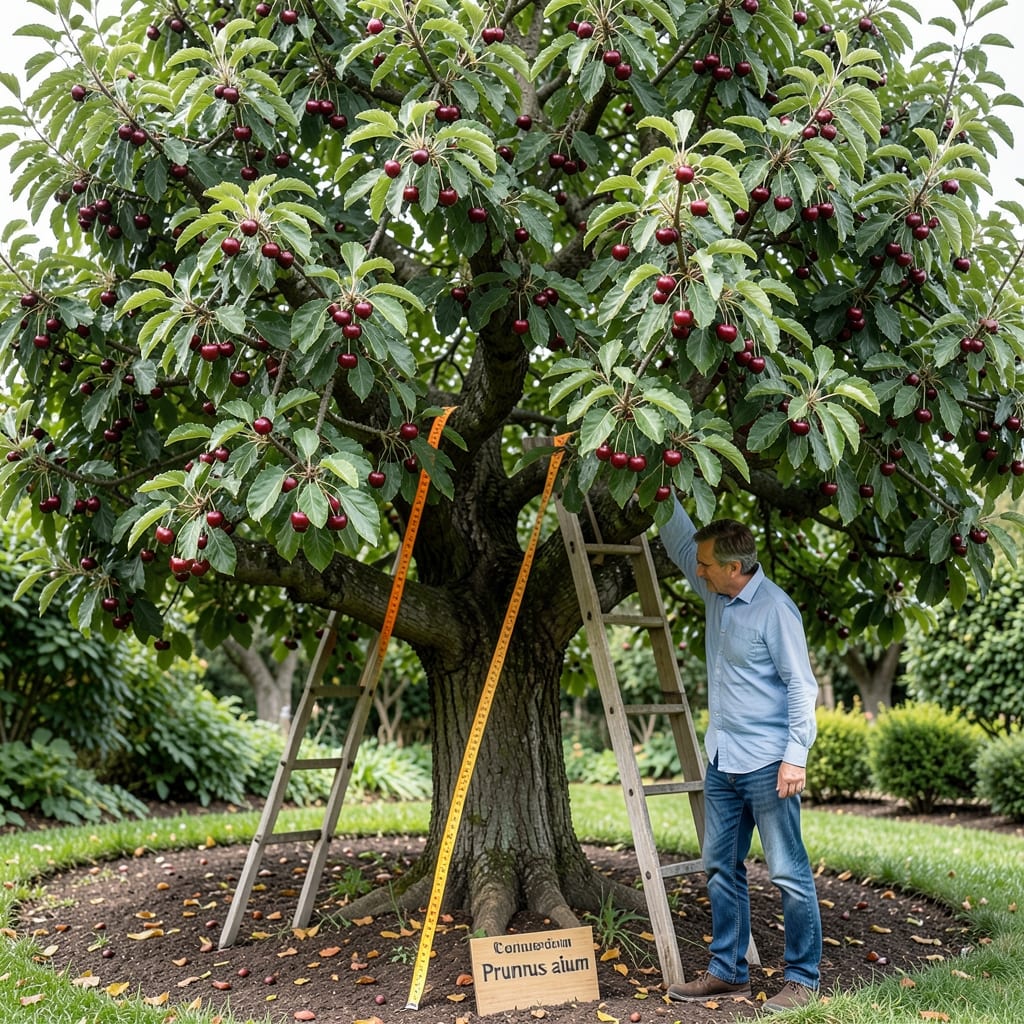
Wondering how tall can cherry trees grow before they outgrow your backyard? The answer depends entirely on the rootstock—some cherry trees stay compact enough for patios, while others grow tall enough to shade an entire house. 🍒
If you're planning your garden layout, knowing these height differences is the key to choosing the perfect variety. Dwarf cherry trees might max out at 8-12 feet, making them ideal for small spaces, while standard varieties can reach 60 feet or more in ideal conditions. The right rootstock can transform your vision from a towering orchard to a manageable backyard feature.
But here's the catch: even "dwarf" varieties need proper care to stay small. Soil quality, pruning habits, and climate all play a role in how much your cherry tree will grow. Let’s break down the height ranges by rootstock type so you can pick the perfect fit for your space—whether you're dreaming of a fruit-laden patio tree or a towering shade provider.
Ready to discover which cherry tree will thrive in your garden? I’ll walk you through the options, from ultra-dwarf varieties that fit in containers to full-sized giants that need room to stretch their branches. By the end, you’ll know exactly how to balance beauty, fruit production, and space in your outdoor plans.


Cherry tree height ranges by rootstock type: dwarf to giant sizes
When choosing a cherry tree, the rootstock determines whether you’ll end up with a 6-foot patio tree or a 60-foot backyard giant. Rootstock is the underlying root system onto which the desirable cherry variety is grafted, and it controls everything from height to growth rate. Understanding these categories helps you pick the perfect tree for your space and goals.
For example, a dwarf cherry tree on Gisela 5 rootstock might stay under 8 feet tall, while the same variety on Mahaleb rootstock could reach 25 feet or more. The choice isn’t just about size—it also affects fruit production, disease resistance, and how quickly the tree matures. Let’s explore the four main rootstock categories and their height expectations.
Here’s a quick overview of what to expect from each rootstock type, including mature heights, growth rates, and ideal planting scenarios. This will help you visualize how your cherry tree could look in 5, 10, or even 20 years.
| Rootstock Type | Mature Height Range | Growth Rate (Years to Mature) | Ideal Use |
|---|---|---|---|
| Ultra-Dwarf (e.g., Gisela 6, 3) | 6–12 ft | 3–5 years | Containers, small patios, urban gardens |
| Dwarf (e.g., Gisela 5, Colt) | 12–18 ft | 5–7 years | Backyard orchards, small yards, espalier training |
| Semi-Dwarf (e.g., Mahaleb, St. Julian A) | 18–25 ft | 7–10 years | Medium-sized yards, shade trees, mixed orchards |
| Standard (e.g., Mahaleb, Weiroot) | 25–60+ ft | 10–15+ years | Large estates, orchards, landscape focal points |
If you’re working with limited space, ultra-dwarf or dwarf rootstocks like Gisela 6 or Colt are game-changers. These trees can produce fruit just a few years after planting and fit perfectly in containers or small gardens. For instance, a ‘Stella’ cherry tree on Gisela 6 rootstock will stay under 10 feet tall and is ideal for picking fresh fruit right from your patio.
On the other hand, if you have ample space and want a statement tree, standard rootstocks like Mahaleb or Weiroot will give you that classic cherry tree experience. These varieties can grow taller than a two-story house and provide decades of shade and fruit. Just be prepared for slower growth—it can take 10–15 years to reach full maturity.
One common misconception is that all dwarf cherry trees stay small without effort. In reality, even dwarf varieties need regular pruning to maintain their compact size. Without proper care, a 12-foot dwarf cherry could easily grow into a 20-foot tree over time. I’ll share pruning tips in the next section to help you keep your tree at the perfect height.
Another factor to consider is the growth rate. Dwarf rootstocks like Gisela 5 can produce fruit in as little as 3–4 years, while standard rootstocks might take 10+ years to bear fruit. If you’re impatient for a harvest, choosing the right rootstock can make all the difference.
For urban gardeners or those with limited space, semi-dwarf rootstocks like Mahaleb offer a happy medium. They grow taller than dwarf varieties but still fit well in most backyards. Plus, they’re often more disease-resistant, making them a reliable choice for home orchards.
Finally, think about your long-term goals. If you’re planting a cherry tree for shade, a standard rootstock might be the way to go. But if you’re growing it primarily for fruit, a dwarf or semi-dwarf variety will make picking cherries much easier—and more enjoyable! 🍒
How rootstock affects cherry tree growth: what gardeners need to know
Choosing the right rootstock for your cherry tree isn’t just about height—it directly impacts growth rate, disease resistance, and even fruit quality. For example, trees on Gisela rootstocks grow 30-50% faster than those on Mahaleb, meaning you could enjoy cherries in half the time. But this rapid growth comes with trade-offs, like reduced longevity and potential susceptibility to certain pests.
The rootstock you select also determines how well your tree adapts to your local climate and soil conditions. In colder regions (USDA Zones 5-6), Mahaleb rootstock is a top choice because it handles winter chill better than many dwarf options. Meanwhile, in warmer climates, Colt rootstock thrives with its natural drought tolerance, making it ideal for low-water gardens.
Here’s a quick comparison of how different rootstocks perform in key areas to help you make an informed decision:
Gisela Rootstock
- ✅ Pros: Fast growth, early fruiting (3-4 years), compact size
- ✅ Ideal for: Containers, small yards, urban gardens
- ⚠️ Cons: Shorter lifespan (15-20 years), less cold-hardy
- ⚠️ Needs: Regular pruning, well-drained soil
Mahaleb Rootstock
- ✅ Pros: Longer lifespan (30+ years), cold-hardy, disease-resistant
- ✅ Ideal for: Large yards, orchards, long-term shade
- ⚠️ Cons: Slower growth, taller mature size
- ⚠️ Needs: More space, regular pruning for shape
Colt Rootstock
- ✅ Pros: Drought-tolerant, semi-dwarf size, good fruit quality
- ✅ Ideal for: Warm climates, medium-sized yards
- ⚠️ Cons: Moderate growth rate, less cold-hardy than Mahaleb
- ⚠️ Needs: Well-drained soil, consistent watering
One of the biggest mistakes gardeners make is ignoring rootstock compatibility with their desired cherry variety. For instance, some sweet cherry cultivars (like ‘Bing’) perform poorly on Gisela rootstocks, while others (like ‘Stella’) thrive. Always check the graft compatibility chart from your nursery to avoid wasted time and money.
Another critical factor is soil preparation. Dwarf rootstocks like Gisela 5 require well-draining soil to prevent root rot, while standard rootstocks can tolerate heavier soils. Amending your soil with compost and sand before planting can make all the difference in how well your tree establishes itself.
If you’re planting in urban areas with limited space, consider espalier training for dwarf varieties. This technique lets you grow fruit trees against walls or fences, saving space while still enjoying a harvest within 3-4 years. Just be sure to choose a rootstock like Gisela 6, which responds well to pruning and training.
Finally, remember that pruning is non-negotiable for maintaining your desired tree size. Even dwarf varieties can grow unruly if left unchecked. I recommend annual pruning in late winter to remove dead wood and shape the tree while it’s still dormant. This keeps your cherry tree healthy, productive, and at the perfect height for your space. 🪴