
Size
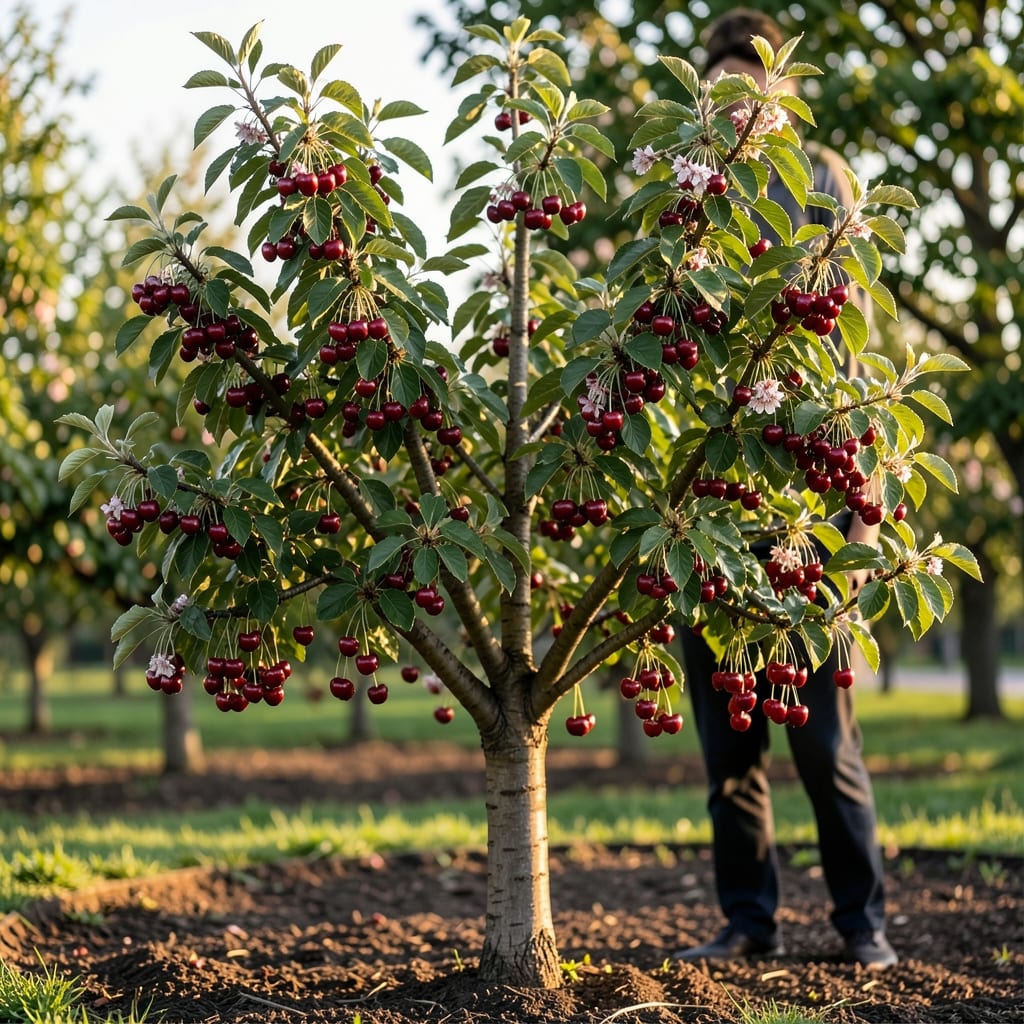
If you’ve ever imagined plucking sweet 🍒 Bing cherries from your backyard but wondered how tall do Bing cherry trees grow, here’s the good news: you don’t need a sprawling orchard to grow them. The classic Bing cherry tree typically reaches 15–25 feet at maturity, but modern dwarf varieties keep it under 10 feet—making them perfect for small yards or even containers.
For those with limited space, choosing the right variety is the key to success. While full-sized trees need ample room to spread, compact Bing cherry trees grow just 8–12 feet tall while still producing abundant fruit. This means you can enjoy fresh cherries without sacrificing your garden’s layout or sacrificing flavor.
But what about growth habits? Bing cherry trees grow 3–5 feet in their first year and continue gaining height steadily. With proper pruning and care, you can control their size while maximizing fruit production. Whether you’re a seasoned gardener or a beginner, these space-saving options make growing Bing cherries easier than ever.
Ready to learn which dwarf varieties thrive best in your climate and how to keep them healthy? Let’s dive into the details so you can start harvesting your own cherries sooner than you think.


Standard Bing cherry tree height: what to expect from full-sized varieties
If you're considering planting a Bing cherry tree, understanding its mature size is crucial for planning your garden layout. Traditional Bing cherry trees typically reach heights of 15 to 25 feet at maturity, making them a significant investment in both space and long-term care. Their growth rate is steady, with the first year yielding 2 to 4 feet of height, and subsequent years adding 3 to 5 feet annually until they reach their full potential.
These trees aren’t just tall—they also develop a wide canopy that can span 15 to 20 feet in diameter. This expansive growth habit means they need ample space to prevent overcrowding with other plants or structures. The root system of a Bing cherry tree is equally sprawling, often extending 3 to 5 feet beyond the dripline of the canopy. This makes them unsuitable for small urban yards or tight garden beds.
| Growth Stage | Height Range | Canopy Spread | Root Spread |
|---|---|---|---|
| Year 1 | 2–4 ft | 1–2 ft | 1–2 ft |
| Year 3 | 10–15 ft | 8–12 ft | 4–6 ft |
| Mature (5+ years) | 15–25 ft | 15–20 ft | 5–7 ft |
One of the biggest challenges with full-sized Bing cherry trees is their pruning requirements. To maintain a manageable size and improve fruit production, you’ll need to prune annually during late winter or early spring, before new growth begins. This involves removing dead, diseased, or crossing branches while also thinning the canopy to allow sunlight to reach the inner fruit. Without proper pruning, the tree can become overgrown and less productive, with dense foliage that blocks light and air circulation.
For home gardeners with limited space, the 25-foot height of a mature Bing cherry tree can be daunting. However, the good news is that dwarf and semi-dwarf varieties are available, offering the same sweet flavor without the same space demands. These varieties are bred to stay under 10 feet tall, making them ideal for smaller yards, patios, or even large containers. If you’re torn between aesthetics and practicality, consider planting a dwarf variety near a fence or trellis to maximize vertical space while keeping the tree manageable.
Another factor to consider is the climate and soil conditions in your area. Bing cherry trees thrive in USDA zones 5 through 8, where they receive full sun exposure (at least 6–8 hours daily). They prefer well-draining, slightly acidic soil with a pH between 6.0 and 6.5. If your soil is heavy or poorly draining, you may need to amend it with compost or sand to prevent root rot, which can stunt growth and reduce overall tree health.
When planning your garden, remember that Bing cherry trees are not just about height—they also require adequate spacing from other trees, buildings, and utility lines. A general rule of thumb is to plant them at least 20 feet away from structures and other trees to avoid competition for nutrients and water. If you’re working with a smaller space, opting for a dwarf variety can help you enjoy Bing cherries without sacrificing your garden’s layout or accessibility.
If you’re still unsure whether a Bing cherry tree fits your space, consider starting with a potted dwarf variety in a large container. This allows you to test the tree’s growth habit and fruit production before committing to a permanent planting. Just ensure the container is at least 18 inches in diameter and has drainage holes to prevent waterlogging, which can lead to root diseases and stunted growth.
Finally, keep in mind that while Bing cherry trees are stunning and productive, they do require ongoing care to reach their full potential. This includes regular watering, fertilizing, and pest control, especially during the first few years of growth. With the right care, however, a Bing cherry tree—whether full-sized or dwarf—can be a rewarding addition to your garden, offering years of sweet, homegrown fruit.
🍒Top 5 dwarf Bing cherry tree varieties under 10 feet (with growth charts)
If you love the idea of growing Bing cherries but need a more space-efficient option, dwarf varieties are your best bet. These compact trees stay under 10 feet tall while still producing sweet, flavorful fruit. Whether you have a small yard, patio, or even a large container, these varieties make it possible to enjoy homegrown Bing cherries without sacrificing space. Each variety has unique traits, so choosing the right one depends on your climate, available space, and pollination needs.
Dwarf Bing cherry trees typically grow 8–12 feet tall at maturity, with some varieties reaching as little as 6 feet when properly pruned. They also have a narrower canopy, usually spanning 6–10 feet wide, making them ideal for tight spaces. Unlike their full-sized counterparts, these trees require less aggressive pruning, though regular maintenance is still key to maximizing fruit production and keeping the tree healthy.
| Variety | Mature Height | Canopy Spread | Yield Potential | Cold Hardiness |
|---|---|---|---|---|
| Stella | 8–10 ft | 6–8 ft | High | Zones 5–8 |
| Compact Stella | 6–8 ft | 5–7 ft | Moderate | Zones 5–8 |
| Bing Compact | 7–9 ft | 6–8 ft | High | Zones 6–8 |
| North Star | 8–10 ft | 7–9 ft | Very High | Zones 4–8 |
| Mini Bing | 6–8 ft | 5–6 ft | Moderate | Zones 5–7 |
The 'Stella' variety is one of the most popular dwarf Bing cherries, growing 8–10 feet tall and producing a generous yield of sweet, dark red fruit. It thrives in USDA zones 5–8 and requires cross-pollination with another cherry variety, such as 'Lapins' or 'Montmorency', to ensure fruit set. This variety is particularly well-suited for small yards or even large containers, making it a favorite among urban gardeners.
For those with even tighter spaces, the 'Compact Stella' is an excellent choice. This variety stays 6–8 feet tall and has a more compact growth habit, making it ideal for patios or small gardens. While its yield is slightly lower than the standard Stella, it still produces enough cherries for a family of four. Like its counterpart, it requires cross-pollination and prefers full sun and well-draining soil for optimal growth.
If you're looking for a high-yielding dwarf Bing cherry, the 'North Star' variety is worth considering. This cold-hardy tree grows 8–10 feet tall and thrives in USDA zones 4–8, making it one of the most versatile options for northern climates. It produces an abundance of sweet cherries and is self-fertile, meaning you don’t need to plant a second tree for pollination. This makes it a great choice for gardeners with limited space who still want a reliable harvest.
When selecting a dwarf Bing cherry tree, consider your local climate and pollination needs. Some varieties, like 'Stella' and 'Bing Compact', require a second tree for cross-pollination, while others, like 'North Star', are self-fertile. Additionally, ensure your chosen variety is suited to your USDA hardiness zone to avoid issues with cold sensitivity or poor fruit set. With the right variety, you can enjoy fresh Bing cherries without the space constraints of a full-sized tree.
To get the most out of your dwarf Bing cherry tree, plant it in a location with full sun exposure and well-draining soil