
Trees
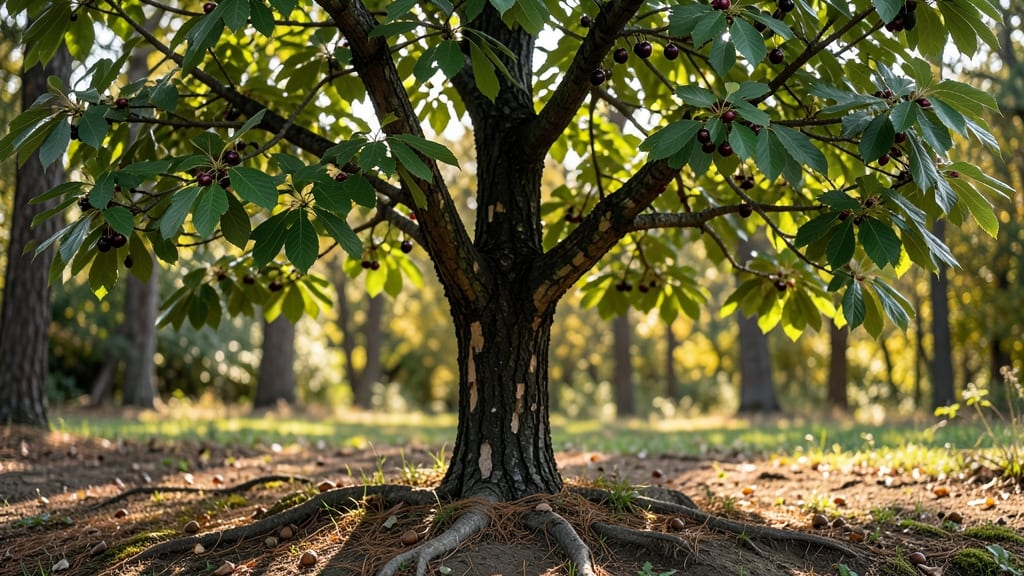
If you're wondering how tall do wild cherry trees grow, the answer might surprise you—these stunning 🌳 beauties can reach heights of 20 to 40 feet at maturity, depending on the species and growing conditions.
Whether you're envisioning a towering shade tree or a more compact landscape feature, understanding their growth potential is key to planning your garden layout.
Wild cherry trees aren’t just tall—they’re fast growers, with some species shooting up 12 to 24 inches per year in ideal conditions.
But their height isn’t the only factor to consider; their spread, growth rate, and adaptability to your climate also play a role in whether they’ll thrive in your space. Let’s break down what you need to know to choose the right variety for your yard.
One of the biggest questions gardeners ask is whether these trees can be pruned to control their size. The answer is yes—but timing and technique matter. Pruning at the right stage can help manage height, especially if you’re working with limited space.
We’ll cover the best practices to keep your wild cherry tree from becoming an unruly giant while still enjoying its stunning spring blooms and delicious fruit.
If you’re debating whether a wild cherry tree is right for your garden, think about your space and goals. Whether you’re aiming for a shade provider, a wildlife-friendly addition, or even a small orchard, knowing how tall these trees grow will help you make the best choice.
Let’s dive into the details so you can plant with confidence.


Wild cherry tree height by species: exact mature dimensions
Wild cherry trees—specifically Prunus serotina and its relatives—are stunning landscape stars, but their mature height can vary dramatically by species. If you're planning your garden layout, knowing these exact dimensions will help you avoid overcrowding or underutilizing space.
Let’s break down the height ranges and canopy spreads of the most common wild cherry varieties, so you can choose the perfect fit for your yard.
For example, the Black Cherry (Prunus serotina) is the tallest wild cherry, often reaching 60–80 feet in ideal conditions, while the Chokecherry (Prunus virginiana) stays much shorter at 15–30 feet.
Understanding these differences ensures you select a tree that thrives in your space without becoming a nuisance. Let’s dive into the specifics with a handy comparison table.
🌱 Did You Know? The Sand Cherry (Prunus pumila) is the smallest wild cherry, rarely exceeding 6 feet in height, making it ideal for small gardens or container growing.
| Species | Mature Height | Canopy Spread | Growth Rate | Landscape Equivalent |
|---|---|---|---|---|
| Black Cherry (Prunus serotina) | 60–80 ft | 30–50 ft | 12–24 in/year | Taller than a 3-story building |
| Chokecherry (Prunus virginiana) | 15–30 ft | 15–25 ft | 6–12 in/year | Similar to a large shrub or small tree |
| Pin Cherry (Prunus pensylvanica) | 20–30 ft | 15–20 ft | 10–18 in/year | Taller than a two-story house |
| Sand Cherry (Prunus pumila) | 3–6 ft | 4–8 ft | 3–6 in/year | Ideal for small gardens or containers |
When selecting a wild cherry tree, always consider your property size and neighboring structures. A Black Cherry planted too close to a house could obstruct views or even damage foundations with its expansive roots.
On the other hand, a Chokecherry or Sand Cherry can thrive in smaller yards or even large containers, offering fruit and beauty without the space demands of taller varieties.
Another critical factor is the canopy spread. The Black Cherry, for instance, can spread up to 50 feet, creating a dense shade that’s perfect for large backyards but impractical for tight urban spaces.
If you’re working with limited space, opt for a Pin Cherry or Chokecherry, which have narrower canopies and are easier to manage with pruning.
For gardeners in USDA Zones 3–9, most wild cherry trees thrive, but their growth rates can vary based on local climate. In colder regions, trees like the Chokecherry grow more slowly, while in warmer zones, Black Cherries may reach their maximum height faster.
Always check your local frost dates and soil conditions to ensure your chosen species will flourish.
If you’re unsure which species to pick, start with the Pin Cherry—it’s a versatile middle-ground option that balances height, spread, and ease of care. For a bold statement, go for the Black Cherry, but be prepared for its massive stature.
And if you’re dreaming of a fruit-bearing shrub rather than a towering tree, the Chokecherry is a fantastic alternative.
🌿 Pro Tip: Always plant wild cherry trees at least 15–20 feet away from structures, utility lines, and other trees to avoid future conflicts with roots and branches.
How fast do wild cherry trees grow to full height?
Wild cherry trees are known for their rapid growth, but the speed varies dramatically between species.
If you're planning your landscape and need to know how quickly these trees will reach their mature height, here's what you should expect. Black cherry trees, for example, can grow 12-24 inches per year, while chokecherry varieties grow more slowly at 6-12 inches annually.
Understanding these growth rates helps you estimate when your tree will provide shade and fruit.
Growth speed also depends on growing conditions like soil quality, sunlight exposure, and water availability. A tree planted in well-draining soil with full sun exposure will grow faster than one struggling in poor conditions.
For instance, a pin cherry might reach 20 feet in just 5 years with ideal care, while a sand cherry could take 10 years or more to reach the same height in less-than-optimal conditions.
Here are the key factors that influence how fast your wild cherry tree grows:
- 🌞 Sunlight: 6+ hours of direct sun maximizes growth speed. Partial shade slows it down.
- 💧 Water: Deep watering 1-2 times per week during the first year speeds up establishment.
- 🌱 Soil: Well-draining, slightly acidic soil (pH 5.0-6.5) supports faster growth.
- 🌡️ Climate: Warmer regions (USDA zones 5-8) see faster growth than colder zones.
- 🪴 Tree Health: Disease-free trees grow 20-30% faster than those with pests or blight.
If you're in a hurry to enjoy your wild cherry tree, focus on these growth-boosting tips. Start by planting in early spring when roots can establish before summer heat. Mulch around the base with wood chips to retain moisture and regulate soil temperature.
Avoid over-fertilizing, as too much nitrogen can lead to leafy growth at the expense of height.
For gardeners in smaller spaces, consider faster-growing varieties like pin cherry or sand cherry, which can reach 15-20 feet in 5-7 years with proper care. These species also have narrower canopies (15-25 feet wide), making them ideal for tight yards.
Just be prepared for their roots to spread aggressively—plant at least 10 feet away from structures or other plants.
In colder climates (USDA zones 3-4), growth may slow significantly in the first few years. However, once established, wild cherry trees become drought-tolerant and can recover quickly in warmer seasons.
If you're planting in a high-altitude area, expect a 10-20% slower growth rate compared to coastal or lowland regions.
Remember, even the fastest-growing wild cherry trees won't reach their full height overnight. With patience and the right care, you'll have a stunning shade tree producing edible fruit in just a few years.
Whether you're after quick shade or long-term investment, understanding these growth patterns helps you plan your garden with confidence. 🌳