
Size
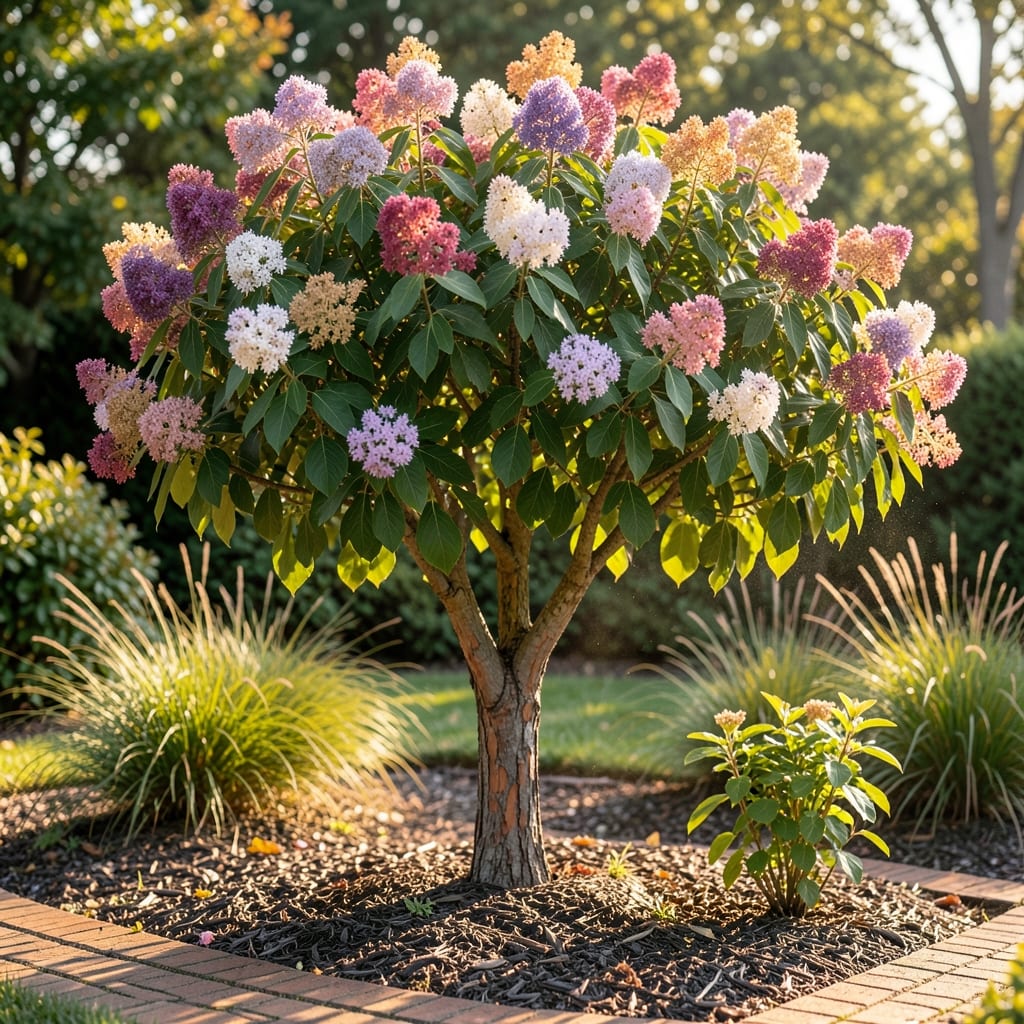
If you're dreaming of adding a 🌸 crape myrtle to your landscape but aren’t sure how tall crape myrtles can grow, the answer might surprise you. These stunning trees can range from compact shrubs to towering giants, with mature heights spanning from just 6 feet to an impressive 30 feet—depending on the variety you choose.
Picture this: a dwarf crape myrtle adding charm to a small patio or a tall standard variety becoming the centerpiece of your backyard. The key to getting the perfect fit lies in understanding the growth habits of different cultivars, like the Avalanche or Muskogee, which can dramatically alter how much room your tree will need.
Whether you're working with a cozy urban garden or a sprawling rural plot, knowing how tall your crape myrtle will grow helps you plan for years of vibrant blooms and seasonal beauty. Let’s break down the height variations so you can pick the perfect match for your space.
From pruning tips to variety recommendations, I’ll show you how to control growth and make the most of your landscape—no matter how big (or small) your yard may be.


Crape myrtle height guide: dwarf to giant varieties explained
Crape myrtles are one of the most versatile trees for landscaping because they offer height variations that fit almost any space. Whether you’re looking for a compact shrub or a towering specimen tree, there’s a variety to match your needs. The key is understanding how fast they grow and what their mature height will be based on the cultivar you choose.
Most crape myrtles reach their full height within 3 to 5 years, though some dwarf varieties may take slightly longer to fill out. For example, the Tonto cultivar stays under 6 feet, while the Natchez can soar to 30 feet. This dramatic difference means your choice of variety will directly impact your landscape planning.
Here’s a quick look at how crape myrtle heights break down by category:
- Dwarf varieties: 6–12 feet
- Semi-dwarf varieties: 12–18 feet
- Standard varieties: 20–30 feet
If you’re working with limited space, dwarf varieties like Tonto or Centennial (which tops out at 8 feet) are perfect for patios or balconies. These compact options still deliver stunning blooms without overwhelming your outdoor area.
For those with larger properties, standard varieties like Natchez or Catawba create a dramatic focal point. These giants can even rival the height of a two-story building, making them ideal for creating shade or adding grandeur to your landscape.
One thing to keep in mind is that crape myrtles grow faster in warm climates like USDA zones 7–9. In cooler regions (zones 6–7), their growth may be slightly slower, but they’ll still reach their mature height over time with proper care.
When planning your landscape, always consider not just the height but also the spread of the tree. Some varieties, like Muskogee, have a wide canopy that can reach 12–15 feet across, while others like Avalanche stay more compact at 8–10 feet wide.
Now that you know the height ranges, the next step is choosing the right variety for your space. Whether you’re aiming for a privacy screen, a container-friendly shrub, or a backyard giant, there’s a crape myrtle perfect for your needs.
How to control crape myrtle growth for small spaces
Even the tallest crape myrtles can be tamed to fit small spaces with the right techniques. If you love the vibrant blooms of a standard variety but lack yard space, don’t worry—pruning and variety selection are your best tools. For example, the ‘Centennial’ variety tops out at just 6 feet, making it ideal for tight urban gardens or patio plantings.
Pruning is key to controlling height. The best time to prune is late winter or early spring, before new growth begins. This encourages fuller blooms and prevents the tree from growing taller than intended. Always use clean, sharp pruners and cut just above a leaf node to promote healthy regrowth.
For even more control, consider container growing. Dwarf varieties like ‘Dynamite’ (8 feet) or ‘Avalanche’ (10 feet) thrive in large pots, allowing you to move them seasonally or place them on patios. Just ensure the container has drainage holes and is at least 24 inches wide to accommodate root growth.
🌿 Pro Tip: Prune Strategically
To keep your crape myrtle compact:
- 🔹 Remove 1/3 of last year’s growth to encourage bushier growth.
- 🔹 Avoid "crape murder"—never cut back to the ground.
- 🔹 Shape in early spring for best results.
Spacing is another critical factor. Even dwarf varieties need room to breathe. Plant them at least 6 feet apart to allow airflow and prevent disease. If you’re planting near a fence or wall, leave 8-10 feet of clearance to avoid future crowding.
For those with limited vertical space, consider multi-trunk varieties like ‘Zuni’, which grows in a natural shrub form. These varieties stay under 10 feet tall while providing year-round interest with their peeling bark and colorful blooms.
Finally, remember that soil quality and watering habits play a role in growth control. Well-draining soil and consistent watering (but not overwatering) help keep your crape myrtle healthy and manageable. With these tips, even a 30-foot giant can be transformed into a small-space showstopper.