
Flowers
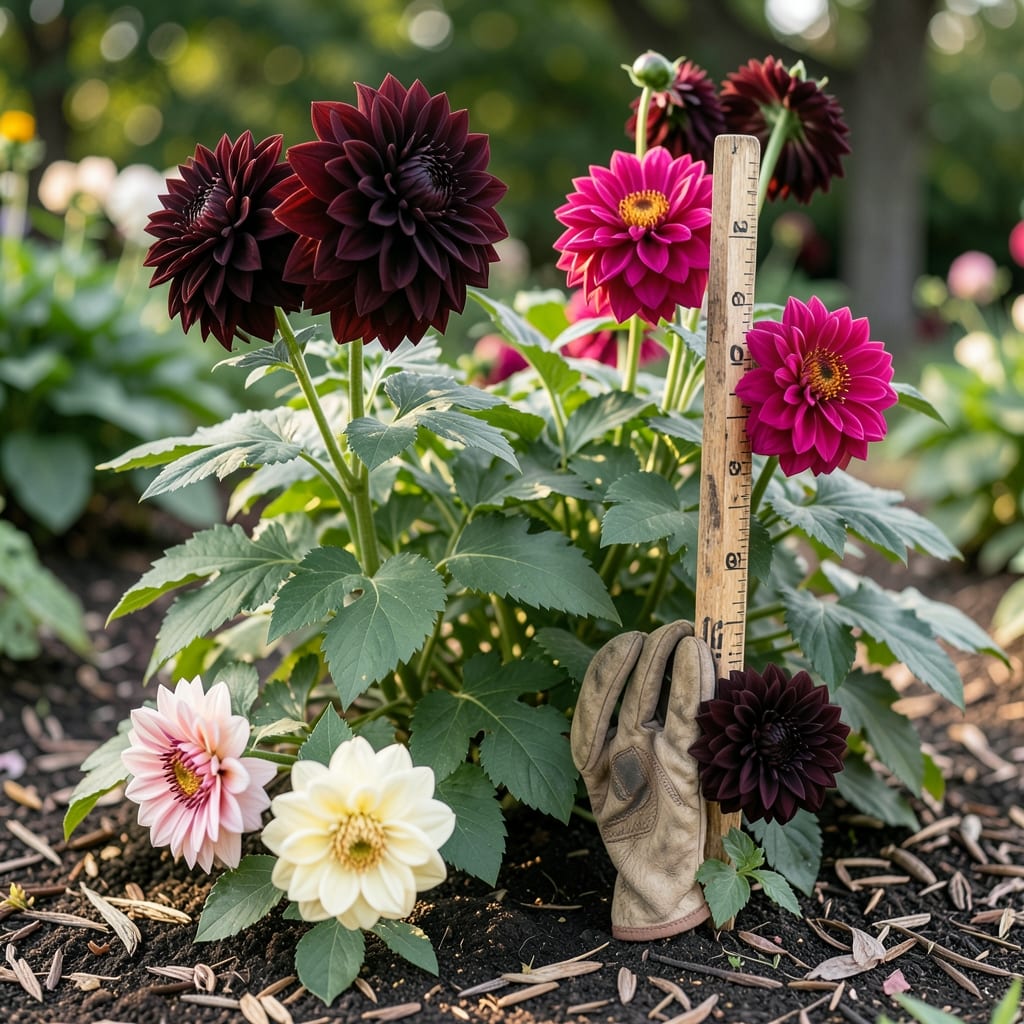
If you’ve ever wondered just how towering those dramatic 🌼 dahlias can grow in your garden, the answer might surprise you—some varieties stretch up to 8 feet tall, while others stay compact. Whether you're dreaming of a lush vertical garden or simply curious about the tallest blooms, understanding dahlia height ranges is the key to planning your perfect flower bed.
Dahlias aren’t just pretty faces—they’re architectural stars in the garden. From dwarf varieties that top out at just 2 feet to giant cultivars that rival small trees, their height potential depends on the variety, care, and even your local growing conditions. The right support and a little extra attention can help these stunning flowers reach their full height potential.
But here’s the thing: not all dahlias are created equal. Some thrive with minimal staking, while others need strong support to stand tall and proud. If you’re aiming for a 5- to 8-foot showstopper, you’ll want to focus on the right cultivars and learn the tricks to maximize their growth. Let’s dive into the world of towering dahlias and discover how to grow them to their fullest height.
In this guide, we’ll explore the tallest dahlia varieties, the secrets to encouraging height, and practical tips for keeping your giant blooms stable and thriving. Whether you’re a seasoned gardener or just starting out, you’ll find everything you need to turn your garden into a vertical masterpiece.


Dahlia height ranges by variety: from 2-Foot dwarfs to 8-Foot giants
Dahlias come in a stunning array of heights, from compact dwarf varieties that stay under 2 feet to towering giants that reach 8 feet or more. The height you achieve depends entirely on the cultivar you choose, as well as your care techniques. For gardeners aiming for dramatic vertical impact, the giant varieties are the stars of the show, often requiring sturdy supports to handle their impressive stature.
If you're planning a cut flower garden, taller dahlias provide long, sturdy stems perfect for arrangements. But if you're designing a landscape display, even the shortest varieties can create stunning borders and focal points. The key is understanding which varieties fit your space and goals—whether that's a 5-foot fence climber or an 8-foot centerpiece.
Let’s break down the height categories so you can choose the perfect dahlia for your garden. From miniature varieties that stay under 18 inches to giant cultivars that surpass 7 feet, there’s a dahlia height for every gardener’s vision.
| Variety Type | Height Range | Example Varieties | Best For |
|---|---|---|---|
| Miniature | 1–2 ft | 'Brownie,' 'Munchkin' | Borders, containers |
| Semi-Dwarf | 2–4 ft | 'Café au Lait,' 'Thomas Edison' | Cut flowers, mixed beds |
| Standard | 4–6 ft | 'Galaxy,' 'Karma Choc' | Back of borders, staking |
| Giant | 6–8+ ft | 'Black Narcissus,' 'Happy Single' | Dramatic focal points, cut flowers |
The giant dahlias are the real showstoppers, often reaching heights of 7 to 8 feet with proper care. Varieties like 'Black Narcissus' and 'Happy Single' are prized for their towering stems and massive blooms, making them ideal for cut flower arrangements or as dramatic garden centerpieces. However, these varieties require strong staking and regular pruning to maintain their height and prevent flopping.
For gardeners with limited space, dwarf and semi-dwarf varieties are perfect. These stay between 2 and 4 feet tall, making them ideal for container gardening or smaller flower beds. Varieties like 'Café au Lait' and 'Thomas Edison' are not only compact but also produce long-lasting blooms, perfect for cutting and arranging.
If you're aiming for a mid-range height of 4 to 6 feet, standard dahlias like 'Galaxy' and 'Karma Choc' are excellent choices. These varieties strike a balance between height and manageability, making them versatile for both garden displays and flower arrangements. They also tend to be more disease-resistant than giant varieties, which can be a plus in humid climates.
One common misconception is that all dahlias grow to the same height. In reality, their first-year growth is often half their mature height. For example, a 6-foot giant might only reach 3 feet in its first season. This gradual growth is why proper staking and pruning are essential, especially for taller varieties. Without support, even standard dahlias can flop over, ruining their dramatic effect.
Choosing the right variety isn’t just about height—it’s also about bloom size, color, and growth habit. Some giant dahlias produce single blooms with long stems, while others have double blooms that may require more frequent deadheading. Consider your garden’s layout and your goals: Are you growing for cut flowers, landscape impact, or both?
For maximum height, focus on giant varieties and provide them with rich, well-draining soil, full sun exposure, and regular fertilization. With the right care, your dahlias can reach their full potential, turning your garden into a vertical masterpiece.
How to maximize dahlia height: staking, pruning, and soil secrets
Want your dahlias to reach their full height potential? The secret lies in three key factors: proper staking, strategic pruning, and rich soil conditions. Unlike shorter varieties that stand on their own, giant dahlias (6-8 feet) need extra support to prevent flopping and encourage upward growth. I’ve learned that even standard varieties (4-6 feet) benefit from staking to maintain their dramatic structure.
Let’s start with staking, which is non-negotiable for tall dahlias. Without support, their woody stems can bend under the weight of blooms, especially after rain. I recommend using bamboo stakes or metal cages for varieties over 4 feet. For the giant cultivars, a 3-foot tall stake inserted at planting time gives roots time to anchor while the plant grows. Pro tip: Tie stems loosely with soft plant ties—too tight, and you’ll restrict growth.
Now, let’s talk pruning, which might seem counterintuitive for height, but it’s actually essential. Pinching back the top growth in early summer encourages lateral branching, which leads to more stems and blooms. For tall dahlias, I focus on removing the first few sets of leaves to redirect energy upward. Avoid heavy pruning late in the season, as this can stunt fall blooms. Think of it like training a vertical sculpture—each cut shapes the plant’s future growth.
- Install stakes (3-4 ft) at planting for giant varieties; use cages for bushier types.
- Pinch back top growth when plant reaches 12 inches to encourage branching.
- Remove lower leaves to prevent disease and direct energy upward.
- Fertilize with high-phosphorus (5-10-10) every 4-6 weeks during growing season.
- Water at soil level (not leaves) to avoid fungal issues.
- Deadhead spent blooms to encourage continuous flowering.
Don’t overlook soil preparation, which is the foundation for tall growth. Dahlias thrive in loamy, well-draining soil with a pH of 6.0-7.0. Before planting, amend your soil with compost and aged manure to provide nutrients. I’ve seen giant dahlias grow 2 feet taller in enriched soil compared to poor conditions. Add a slow-release fertilizer at planting, then top-dress with compost tea monthly for a nutrient boost.
One common mistake I see is overwatering, which can lead to weak stems and root rot. Water deeply 2-3 times per week, focusing on the base of the plant rather than overhead spraying. Mulch with straw or shredded leaves to retain moisture and regulate soil temperature. In hot climates, provide afternoon shade to prevent wilting, especially for tall, thin-stemmed varieties.
For maximum height, combine these techniques with consistent care. I’ve grown 'Black Narcissus' dahlias to 7.5 feet by following this routine: staking at planting, pinching in June, monthly fertilization, and deep watering. The result? Longer stems, bigger blooms, and plants that stay upright all season. With the right approach, your dahlias can become the vertical stars of your garden.