
Size
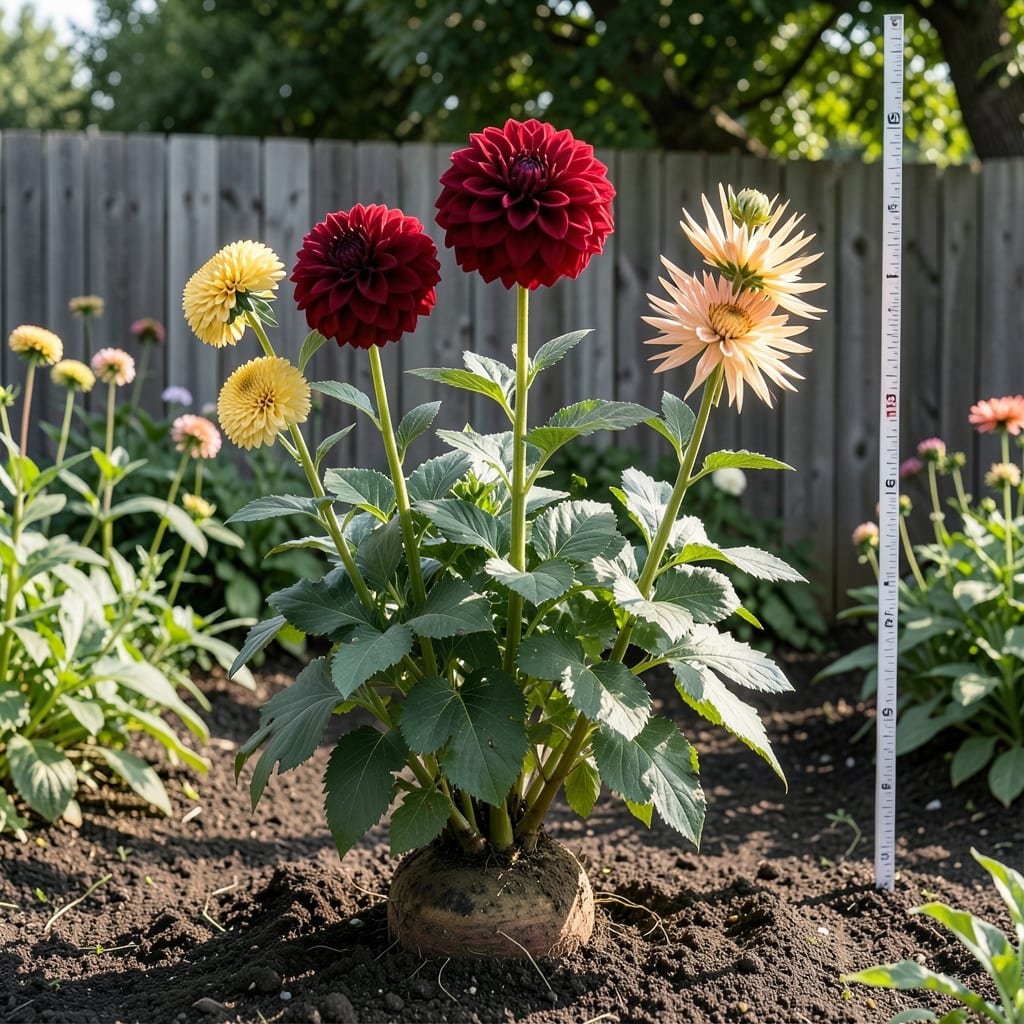
If you’ve ever wondered how tall dahlias grow and whether they’ll sprawl uncontrollably or stay neatly contained, the answer depends on more than just luck—it’s all about variety, care, and a little strategic planning. These stunning 🌼 flowers can range from petite 8-inch dwarfs to towering 8-foot giants, making them one of the most versatile plants for any garden space.
For gardeners in USDA Zone 6a, where spring planting kicks off in April, choosing the right dahlia height isn’t just about aesthetics—it’s about maximizing bloom visibility, preventing overcrowding, and even creating privacy screens. Whether you’re working with a cozy container garden or a sprawling backyard, knowing your dahlia’s potential height helps you place them perfectly for show-stopping results.
But here’s the catch: many gardeners underestimate how much support tall dahlias need, leading to floppy stems or missed blooms. The good news? With the right staking, pruning, and soil prep, you can coax even the tallest varieties to stand proudly—without sacrificing those dramatic, dinner-plate flowers you love.
In this guide, I’ll break down exactly how tall different dahlia types grow, what factors influence their height, and how to keep them thriving—so you can turn your garden into a showcase of structure and color, no matter the size.

Dahlia height zones: how tall different varieties grow
Dahlias are one of the most diverse flowers in height, ranging from tiny tabletop varieties to towering giants that reach fence-topping heights. The height zone of your dahlia determines everything from planting placement to staking requirements. Understanding these categories helps you choose the perfect variety for your garden space—whether you're working with a container garden or a backyard border.
Most dahlias fall into five distinct height zones, each with unique growth patterns and care needs. From miniature varieties that barely reach your knees to giant dahlias that can top 7 feet, knowing these ranges helps you plan for vertical space and support structures. Let’s explore each zone with real-world measurements and popular examples to help you visualize their mature sizes.
🌱 Did You Know? Some dwarf dahlias can actually double in height if given ideal conditions, while giant varieties may stay shorter if sunlight or nutrients are limited. The genetics of the variety set the baseline, but growing conditions play a huge role.
| Height Zone | Mature Height | Popular Varieties | Ideal Use |
|---|---|---|---|
| Miniature | 8–18 inches | 'Thumbelina,' 'Mignon' | Containers, window boxes |
| Semi-Dwarf | 1.5–3 feet | 'Café au Lait,' 'Bishop' | Front of borders, small gardens |
| Standard | 3–5 feet | 'Galaxy,' 'Karma Choc' | Mixed borders, cut flowers |
| Medium-Tall | 5–6 feet | 'Thomas Edison,' 'Black Narcissus' | Back of borders, privacy screens |
| Giant | 6–8 feet | 'Mignonette,' 'Tequila' | Focal points, trellises |
🌼 Pro Tip: Always check seed packets or plant tags for exact height ranges—some varieties can vary by 6+ inches!
If you're planting dwarf dahlias like 'Thumbelina,' expect them to stay knee-high or shorter, making them perfect for container gardening or window boxes. These varieties often bloom earlier and more prolifically than their taller counterparts, giving you months of color in a compact space. For small gardens, semi-dwarf varieties like 'Café au Lait' strike the perfect balance between height and bloom size.
For standard-height dahlias (3–5 feet), think of them as the workhorses of the garden. These varieties are versatile for cutting, border planting, and mixed flower beds. They often produce larger blooms than dwarf varieties, making them a favorite for floral arrangements. If you're growing these in raised beds, consider adding cage supports early to prevent flopping.
When it comes to medium-tall and giant dahlias, you’re looking at statement plants that can dominate a garden space. These varieties are ideal for privacy screens, backyard borders, or as focal points near patios. However, their height requires planning: heavy-duty stakes, trellises, or even wooden frames are essential to support their top-heavy blooms and prevent them from toppling in wind or rain.
💡 Common Misconception: Many gardeners assume all dahlias need full sun to reach their maximum height, but overly hot conditions can actually stunt growth in some varieties. The key is balance: 6+ hours of sun with afternoon shade in hot climates can encourage stronger stems and longer vase life.
To visualize these heights, imagine a standard garden fence, which is typically 3–4 feet tall. Standard dahlias will easily surpass this
Factors that influence dahlia height and how to control growth
Dahlia height isn't just about the variety you choose—it’s heavily influenced by soil quality, sunlight exposure, and pruning techniques. Rich, well-draining soil packed with organic matter can push some varieties to their maximum height, while poor soil or overcrowding may stunt growth. I’ve seen ‘Café au Lait’ dahlias reach 7 feet in ideal conditions but barely clear 4 feet in compacted clay soil.
Sunlight plays a critical role too. Dahlias crave 6+ hours of direct sun daily, but too much intense afternoon sun in hot climates can stress plants, leading to leggy growth or weaker stems. In my Zone 7 garden, I always plant tall varieties in morning sun with afternoon shade to balance height and bloom health.
Pruning is another game-changer for controlling height. Strategic pinching—removing the top set of leaves when the plant hits 12-18 inches—encourages bushier growth with more blooms at eye level. I prune my ‘Thomas Edison’ dahlias this way, and they stay compact at 3-4 feet instead of shooting up to 6 feet.
- Soil matters: Amend with compost to boost height potential by 20-30%.
- Sun balance: Avoid midday heat stress with afternoon shade for tall varieties.
- Prune early: Pinch at 12-18 inches for bushier, shorter plants.
- Water deeply: Shallow watering leads to weak stems and top-heavy growth.
- Support early: Stake tall varieties at 2 feet to prevent flopping.
Overwatering is a sneaky culprit behind stunted growth. Dahlias need consistent moisture, but soggy soil rots tubers and weakens stems. I use a moisture meter to check soil before watering—if it’s damp 2 inches down, I wait. This simple habit has kept my ‘Arabian Night’ dahlias sturdy at 5 feet instead of flopping.
Genetics also set the baseline, but even ‘giant’ varieties like ‘Black Narcissus’ can be coaxed into shorter forms with proper care. In my container gardens, I’ve grown 6-foot dahlias in 15-gallon pots by using dwarfing rootstock and regular pruning. The key is understanding your plant’s potential and working with it.
Don’t forget that cold snaps can stunt early growth. If nighttime temps drop below 50°F, cover young plants with frost cloth until they’re established. I’ve seen dahlias recover from brief chills but never from prolonged cold—always monitor your local forecast!