
Plants
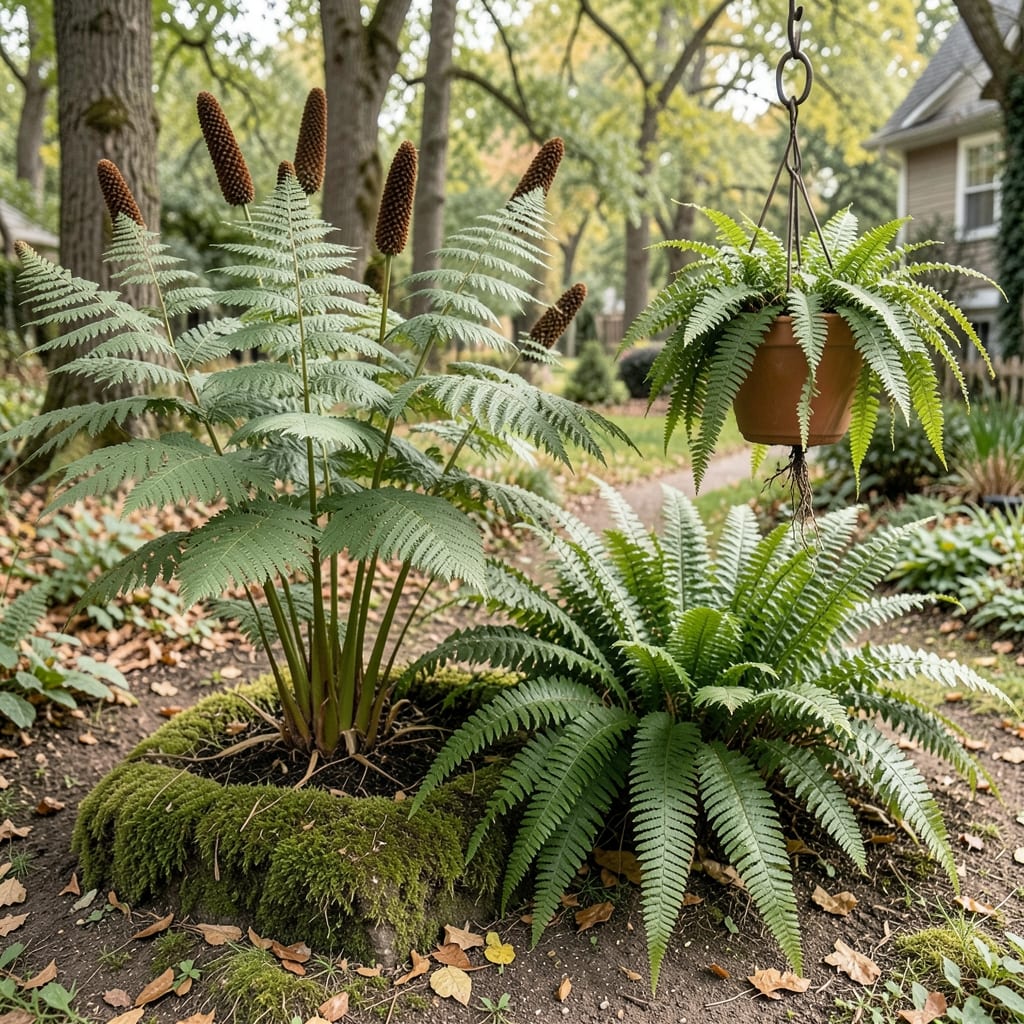
If you’ve ever wondered how tall can ferns grow, you’ll be amazed to discover they range from delicate ground covers to towering giants that can reach heights of 15 feet or more. Whether you're dreaming of a lush, shady corner or a dramatic vertical garden feature, ferns offer endless possibilities for transforming your outdoor space.
From the dainty maidenhair fern, which stays under 1 foot tall, to the majestic tree ferns that soar like ancient sentinels, each variety brings something unique to your garden. The key to unlocking their full potential lies in understanding their growth habits and the right conditions to nurture them.
In this guide, we’ll explore the stunning diversity of fern heights, from dwarf varieties perfect for containers to giant species that thrive in woodland settings. You’ll learn how to choose the perfect fern for your space and discover simple tips to manage their growth—whether you want to keep them compact or let them reach their full, breathtaking stature.
Ready to turn your garden into a verdant paradise? Let’s dive into the world of ferns and find the perfect fit for your outdoor vision—no matter how big or small your space may be.


Fern height variations: from dwarf ground covers to 15-Foot giants
Ferns are nature’s architectural marvels, offering a stunning range of heights that can completely reshape your garden’s vertical landscape. Whether you're working with a cozy patio or a sprawling woodland garden, understanding fern height variations is the first step to creating the perfect green backdrop. Some varieties stay humble as ground covers, while others grow tall enough to rival small trees—making them ideal for adding drama and texture to shaded areas.
The smallest ferns, like the delicate maidenhair fern (Adiantum), typically reach just 6-12 inches tall, perfect for terrariums or container gardens. On the opposite end of the spectrum, tree ferns (Dicksonia antarctica) can soar to 10-15 feet, creating a lush, tropical canopy that’s perfect for woodland gardens or as a stunning focal point. The key to choosing the right fern lies in matching its mature height to your space and design goals.
Most gardeners overlook the medium-height ferns, which fill the gap between ground covers and towering giants. Varieties like the Boston fern (Nephrolepis exaltata) and holly fern (Cyrtomium falcatum) typically grow 2-5 feet tall, making them versatile choices for borders, hanging baskets, or as accent plants in mixed beds. These ferns strike the perfect balance between manageable size and lush foliage, offering year-round interest with minimal fuss.
Here’s a quick look at how fern heights break down across common varieties, helping you visualize their potential in your garden:
| Fern Variety | Mature Height | Ideal Use |
|---|---|---|
| Maidenhair Fern (Adiantum) | 6-12 inches | Containers, terrariums, rock gardens |
| Button Fern (Pellaea rotundifolia) | 1-2 feet | Ground cover, alpine gardens |
| Boston Fern (Nephrolepis exaltata) | 2-5 feet | Hanging baskets, shaded borders |
| Holly Fern (Cyrtomium falcatum) | 3-4 feet | Woodland gardens, mixed borders |
| Ostrich Fern (Matteuccia struthiopteris) | 3-5 feet | Moist, shaded areas, pond edges |
| Tree Fern (Dicksonia antarctica) | 10-15 feet | Focal points, tropical gardens, large containers |
If you're planning a layered garden design, consider combining ferns of different heights to create depth and visual interest. For example, pairing a 6-inch maidenhair fern with a 4-foot ostrich fern and a 12-foot tree fern will give your space a dynamic, multi-tiered look. This approach works especially well in shaded areas where sunlight is limited, allowing ferns to thrive while adding structure to your landscape.
One of the most exciting aspects of ferns is their ability to adapt to various growing conditions, which directly impacts their height. For instance, tree ferns in tropical climates can grow significantly taller than those in cooler regions, where their growth may be stunted. Similarly, Boston ferns left unpruned will naturally grow taller and bushier, while regular trimming can encourage a more compact, manageable form. Understanding these growth patterns helps you set realistic expectations and plan accordingly.
For those with limited space, dwarf ferns like the Japanese painted fern (Athyrium niponicum) or lady fern (Athyrium filix-femina) are excellent choices, typically staying under 2 feet tall. These varieties are perfect for small gardens, window boxes, or even as indoor plants in bright, indirect light. Their delicate fronds add a touch of elegance without overwhelming your space.
On the other hand, if you're aiming for a dramatic focal point, nothing beats the grandeur of a tree fern. These ferns aren’t just tall—they’re architectural, with thick, textured trunks that resemble small palm trees. Plant one near a seating area or along a pathway to create a natural, inviting atmosphere that feels both wild and cultivated. Just be sure to give it plenty of space to spread its roots and grow to its full potential.
Whether you're a beginner gardener or a seasoned pro, experimenting with different fern heights can elevate your garden’s design. Start small with a few medium-height varieties to get a feel for their growth habits, then gradually introduce taller or shorter ferns to create the perfect balance. The beauty of ferns lies in their versatility—no matter your garden’s size or style, there’s a fern that’s just the right height for you.
How to choose ferns based on your garden’s vertical needs
Selecting the right fern for your garden isn’t just about aesthetics—it’s about matching fern height to your space’s vertical potential. Whether you’re working with a cozy patio, a shady woodland corner, or a towering vertical garden, the key is understanding how each variety will grow and where it thrives best. For example, a 3-foot holly fern can create a stunning border along a walkway, while a 15-foot tree fern will dominate as a dramatic focal point in a tropical-themed garden.
Start by assessing your garden’s vertical zones**. If you have limited ceiling height, like under a pergola or patio cover, opt for dwarf or semi-dwarf varieties such as the Japanese painted fern (1-2 feet) or button fern (1-2 feet). These stay compact yet add lush texture without overpowering your space. For mid-height areas like garden beds or hanging baskets, medium-height ferns like the Boston fern (2-5 feet) or ostrich fern (3-5 feet) are ideal—they fill space beautifully while remaining manageable.
Here are my top tips for choosing ferns based on your garden’s vertical needs, ensuring you get the perfect balance of height and impact:
- ✅ Measure your space before planting. Use a tape measure to determine ceiling height, walkway clearance, or container depth to avoid overgrowth issues.
- ✅ Match height to purpose: Use tall ferns (5+ feet) as focal points, medium ferns (2-4 feet) for borders, and dwarf ferns (under 1 foot) for containers or ground cover.
- ✅ Consider mature size, not just initial growth. A 3-foot fern can easily double in height if left unpruned—always check plant tags for mature dimensions.
- ✅ Layer heights for depth. Pair a 6-inch maidenhair fern with a 3-foot ostrich fern and a 5-foot holly fern to create a dynamic, multi-tiered look in shaded areas.
- ✅ Prioritize shade tolerance. Most tall ferns, like tree ferns, thrive in full to partial shade, making them perfect for understory planting or north-facing gardens.
If you’re working with vertical planters or trellises, ferns like the Boston fern or lacy maidenhair fern can cascade beautifully, adding movement and texture to walls or fences. For a woodland garden, taller varieties like the sword fern (Nephrolepis cordifolia) or holly fern will thrive in the dappled light, creating a lush, natural understory. Just be mindful of their spreading habits—some ferns, like the ostrich fern, can send out aggressive runners, so contain them with root barriers if needed.
For container gardening, dwarf or semi-dwarf ferns are your best bet. A 1-foot maidenhair fern in a hanging basket adds delicate fronds without taking up much space, while a 2-foot Japanese painted fern can thrive in a window box with proper moisture and shade. If you’re using containers outdoors, ensure they have drainage holes and are placed in partial shade to prevent overheating and wilting.
One common mistake gardeners make is underestimating how quickly ferns can grow when given ideal conditions. For instance, a Boston fern can grow 1-2 feet per year if well-cared for, so if you plant one near a seating area, it may soon require pruning or relocation. To avoid this, I recommend regular height checks—mark your fern’s growth on a stake or use a measuring tape to track progress and adjust your care routine accordingly.
Finally, don’t overlook the seasonal impact on fern growth. In tropical climates, ferns like tree ferns can grow much taller and faster than in cooler regions, where growth may slow or stall in winter. If you’re in a USDA Zone 6 or lower, consider choosing hardier varieties like the holly fern or ostrich fern, which can handle colder temperatures while still reaching impressive heights.