
Trees
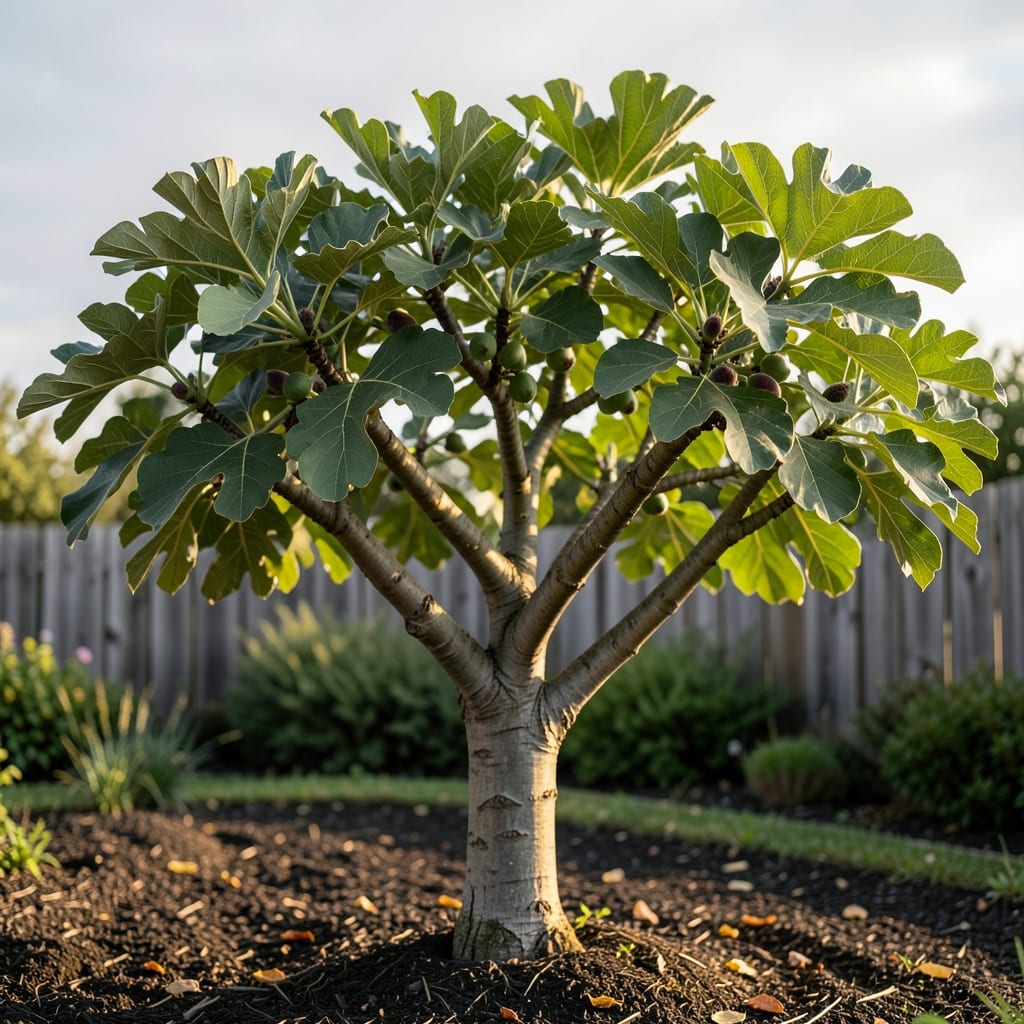
If you're wondering how tall can fig trees grow, the answer might surprise you—some varieties reach heights that dwarf even the tallest two-story homes, while others stay perfectly manageable for small yards or containers. Imagine a 🍈 tree that could shade your patio or line your driveway, depending on the type you choose.
Fig trees are one of nature’s most versatile plants, with heights ranging from 8 feet for dwarf varieties to a towering 30 feet for standard types. Whether you’re dreaming of a privacy screen or a low-maintenance patio tree, understanding these differences is the first step to picking the perfect fit for your space.
But here’s the kicker: pruning and care can dramatically alter a fig tree’s growth pattern. With the right techniques, you can keep even the largest varieties in check—or encourage smaller types to grow bushier for easier harvesting. Let’s break down what you need to know to make your fig tree thrive at the perfect height for your needs.
From sun-loving USDA Zone 6a varieties to container-friendly dwarfs, we’ll explore the best options for your climate and space. Ready to transform your outdoor area with a fig tree that’s just the right size? Let’s get started.


Fig tree height by species: from dwarf varieties to towering giants
Fig trees are incredibly versatile, with some varieties reaching 30 feet or more while others stay under 10 feet. The height of your fig tree depends entirely on the variety you choose and how you care for it. Whether you have a small balcony or a sprawling backyard, there’s a fig tree perfect for your space.
Dwarf varieties are ideal for containers or small gardens, while standard types thrive in landscapes. Understanding these differences will help you plan your garden layout and avoid unexpected overgrowth. Let’s explore the most popular fig tree varieties and their mature heights.
🌱 Visual Guide: Fig Tree Height Comparison
| Variety | Mature Height | Best For |
|---|---|---|
| Little Miss Figgy | 6-8 ft | Containers, small gardens |
| Brown Turkey | 20-30 ft | Landscaping, privacy screens |
| Celeste | 12-15 ft | Medium yards, patio borders |
| Desert King | 15-20 ft | Drought-resistant landscapes |
| Violette de Bordeaux | 25-30 ft | Large properties, shade trees |
If you’re working with limited space, Little Miss Figgy is a fantastic choice, reaching just 6-8 feet at maturity. This variety is perfect for balconies or small patios and produces sweet, flavorful fruit without taking over your garden. On the other hand, Brown Turkey and Violette de Bordeaux are classic large varieties that can dominate a yard, making them ideal for privacy screens or shade providers.
For a balance between size and productivity, Celeste and Desert King are excellent options. These varieties grow to 12-20 feet and are well-suited for medium-sized yards. They’re also more drought-tolerant than some other types, making them low-maintenance additions to your landscape.
One key factor influencing height is the growth habit of the variety. Some fig trees grow upright, while others spread outward. For example, Celeste has a more bushy growth pattern, which can make it appear shorter even if its height is similar to other varieties. This trait is particularly useful if you want to fill out a space without sacrificing height.
When selecting a fig tree, consider not only its mature height but also its growth rate. Some varieties, like Brown Turkey, grow quickly in the first few years, while others, like Little Miss Figgy, mature more slowly. This difference can impact how soon you’ll enjoy fruit and how quickly your tree fills its allocated space.
Another consideration is whether you plan to prune your fig tree regularly. Even large varieties can be kept smaller with proper pruning techniques. For instance, you can limit the height of a Brown Turkey to around 10 feet with consistent pruning, making it more manageable for smaller properties. We’ll cover pruning strategies in the next section.
If you’re unsure which variety to choose, start with a dwarf or semi-dwarf type like Little Miss Figgy or Celeste. These are forgiving for beginners and allow you to experiment with growing fig trees without committing to a large, permanent structure.
Remember, the height of your fig tree isn’t set in stone—it’s influenced by soil quality, sunlight, water, and care. With the right conditions, even a dwarf variety can grow slightly taller, while a standard type might stay shorter if pruned aggressively. The key is to choose a variety that aligns with your space and goals, then provide it with the care it needs to thrive.
🌳
How pruning affects fig tree height: techniques to control growth
Pruning is the secret weapon for controlling fig tree height and shaping your tree’s growth. Whether you want a compact patio tree or a taller shade provider, strategic pruning can make all the difference. The key is understanding when, how, and why to prune—because cutting at the wrong time can stunt growth or even harm your tree.
Fig trees are fast growers when young, often shooting up 3-5 feet per year in ideal conditions. Without pruning, a Brown Turkey could easily reach 20+ feet in just a few years. But with the right techniques, you can limit height while encouraging a bushier, fruit-bearing structure. The best time to prune is late winter or early spring, just before new growth begins.
🌱 Step-by-Step Pruning Guide for Height Control
- Step 1: Assess Your Goals – Decide if you want to reduce height, encourage bushiness, or shape the canopy. Write down your target height (e.g., 10 feet for a patio tree).
- Step 2: Gather Tools – Use sterilized pruning shears for small branches and a pruning saw for thicker limbs. Sharp tools prevent tearing and reduce disease risk.
- Step 3: Remove Dead or Weak Wood – Start by cutting out dead, diseased, or crossing branches. These take up energy and can stunt healthy growth.
- Step 4: Thin the Canopy – Focus on inner branches that aren’t producing fruit. Aim to open up the center for better airflow and sunlight penetration.
- Step 5: Limit Vertical Growth – To control height, cut back the tallest branches by 1/3 to 1/2. Make cuts just above a leaf node or outward-facing bud to encourage lateral growth.
- Step 6: Shape for Balance – Prune to create a natural, balanced shape. Avoid over-pruning (never remove more than 25% of the canopy in one season).
- Step 7: Clean Up – Remove all pruned debris from the area to prevent pests or diseases from taking hold.
One common mistake is pruning too late in the season, which can delay next year’s fruit production. Figs produce fruit on current year’s growth, so heavy pruning after June may reduce your harvest. If you need to prune later, do it lightly to avoid stressing the tree.
For container-grown figs, pruning is even more critical. Since roots are root-bound, excessive height can make the tree top-heavy and unstable. Aim to keep container figs under 6-8 feet by pruning aggressively in early spring and lightly in summer to maintain shape.
Pro tip: If your fig tree is too tall for your space, you can gradually reduce height over 2-3 years by pruning 1/3 of the height each spring. This method is gentler on the tree and prevents shock from drastic cuts. Pair this with regular watering and fertilization to support new growth.
Remember, fig trees are resilient and will bounce back with proper care. With consistent pruning, even a 30-foot giant like Violette de Bordeaux can be tamed into a manageable 10-foot specimen. The key is patience and precision—your tree will thank you with better fruit production and a healthier structure.
✂️