
How To
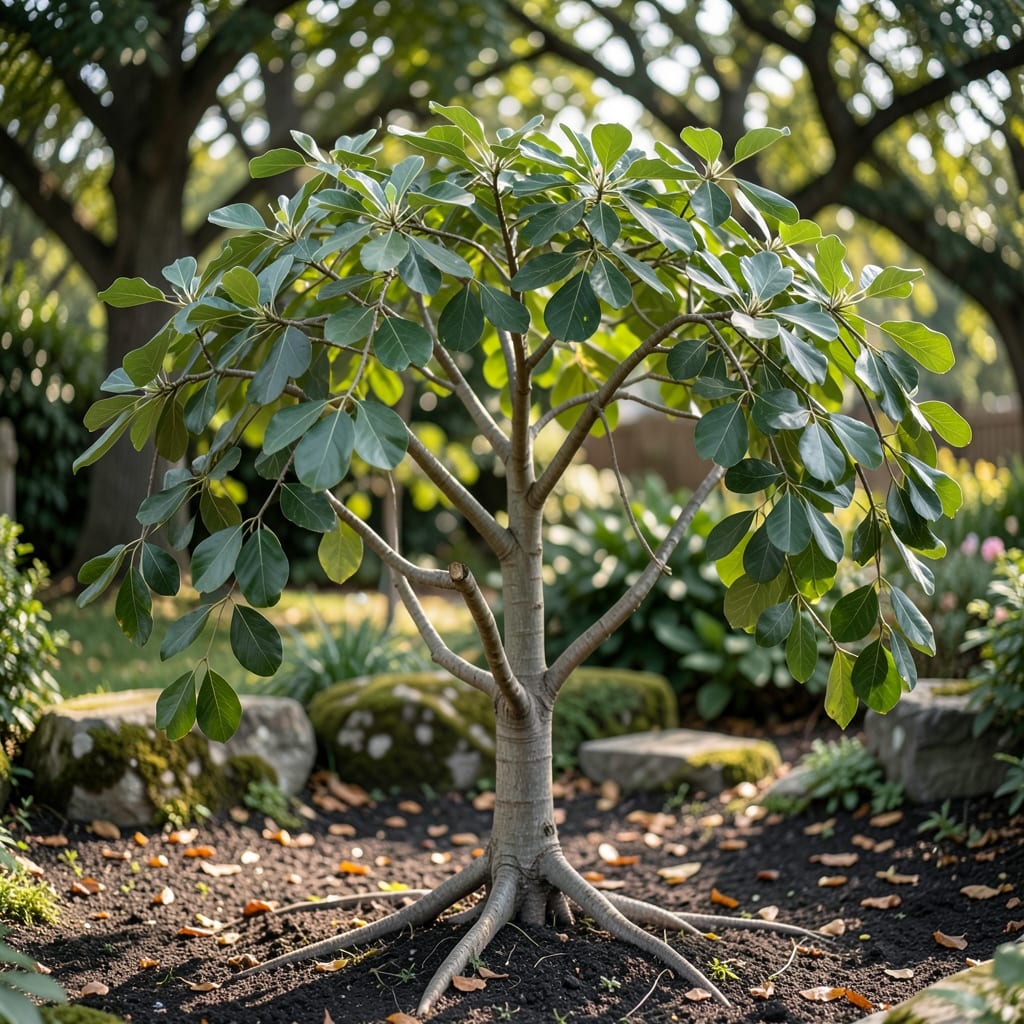
If you're wondering how tall can the Benjamin fig tree grow, the answer might surprise you—this elegant 🌳 can stretch from a modest indoor accent to a towering outdoor giant, depending on where you plant it.
Indoors, your Benjamin fig tree could reach 10 to 15 feet with proper care, turning your living space into a lush green sanctuary. But outdoors in ideal conditions, it can soar to 20 to 30 feet, becoming a stunning focal point in your landscape.
What’s the secret behind this dramatic difference? Light exposure, pruning habits, and even container size play a huge role. I’ll show you exactly how to manage its growth—whether you want a compact houseplant or a sprawling outdoor tree.
Ready to unlock the full potential of your Benjamin fig tree? Let’s dive into the factors that shape its height and how you can guide it to your perfect size.


Benjamin fig tree height guide: indoor vs outdoor growth limits
If you’ve ever admired a Benjamin fig tree in a nursery or garden center, you’ve likely wondered just how tall it can grow. The answer depends on whether you’re growing it indoors or outdoors, as these environments dramatically influence its vertical potential. Without proper care, a Benjamin fig can easily outgrow even the most spacious homes, reaching heights that might surprise you.
Under ideal conditions, a Benjamin fig tree can grow up to 30 feet tall outdoors, making it a stunning focal point for gardens or large landscapes. Indoors, however, its growth is more restrained, typically reaching 10 to 15 feet if given enough space and light. The key to managing its height lies in understanding its growth habits and the factors that accelerate or slow its expansion.
Here’s the breakdown of what to expect, along with the factors that influence its height—so you can plan accordingly whether you’re dreaming of a towering outdoor specimen or a manageable indoor centerpiece.
Outdoor Benjamin fig trees thrive in full sun and spacious conditions, allowing them to grow aggressively. In contrast, indoor trees face natural growth limitations due to container sizes, limited light, and temperature fluctuations. If you’re growing yours indoors, expect slower growth unless you provide optimal conditions—like a south-facing window or grow lights.
The container size plays a massive role in height control. A Benjamin fig tree in a small pot will focus its energy on root development rather than vertical growth, while a large container or in-ground planting encourages rapid height increases. For example, a tree in a 5-gallon pot might only reach 6–8 feet in 5 years, whereas one planted in the ground could surge to 15 feet in the same timeframe.
Another critical factor is pruning. Regular pruning can keep an indoor Benjamin fig tree at a manageable height while encouraging bushier growth. Outdoors, pruning is less about height control and more about shaping the tree for aesthetics or safety. If you neglect pruning, your tree could develop weak branches that snap under its own weight—especially true for outdoor specimens exceeding 20 feet.
Light exposure directly impacts growth speed. A Benjamin fig tree in low-light conditions will grow slower and may become leggy, while one basking in bright, indirect light indoors or full sun outdoors will grow more robustly. If you notice your indoor tree stretching toward the light, it’s a sign it needs more illumination or a rotation to ensure even growth.
For those growing Benjamin fig trees outdoors in warmer climates (USDA Zones 9–11), the tree can grow year-round without frost damage. In cooler zones, it’s often grown as a container plant and brought indoors during winter, which naturally slows its growth rate. This seasonal adjustment can help manage height if you’re concerned about overgrowth.
If you’re planning to grow a Benjamin fig tree outdoors, ensure you have enough space—these trees can easily outgrow small yards. A mature outdoor specimen can cast significant shade and may even interfere with power lines or roofs if planted too close to structures. Always check local regulations before planting near buildings or utility lines.
For indoor gardeners, the key to controlling height is a combination of pruning, container size, and light management. With these tools, you can enjoy a lush, manageable tree that fits your space while still benefiting from its air-purifying and decorative qualities.
Benjamin fig tree height guide: indoor vs outdoor growth limits
The Benjamin fig tree (Ficus benjamina) is a fast grower that can reach dramatic heights, but its ultimate size depends heavily on where you grow it. Indoors, these trees typically max out at 10–15 feet with proper care, while outdoors, they can soar to 20–30 feet or taller in ideal conditions. Understanding these differences helps you plan for growth and manage your tree’s size effectively.
Outdoor Benjamin fig trees thrive in warm climates with ample space, allowing them to develop their full height potential. In contrast, indoor trees grow more slowly due to limited light and space, but they can still become towering centerpieces if left unpruned. The key factors influencing height include light exposure, pruning habits, and container size (for indoor trees).
Here’s a detailed comparison of how these factors affect your Benjamin fig tree’s height, whether you’re growing it indoors or outdoors:
| Factor | Indoor Growth | Outdoor Growth |
|---|---|---|
| Maximum Height | 10–15 ft | 20–30 ft |
| Growth Rate | 1–2 ft/year | 3–5 ft/year |
| Light Needs | Bright, indirect light | Full sun (6+ hours/day) |
| Pruning Impact | Critical for height control | Less frequent; structural pruning |
| Container Size | Root-bound = slower growth | In-ground = faster, taller growth |
If you’re growing your Benjamin fig tree indoors, light exposure is the most critical factor. Place it near a south-facing window for maximum growth, but avoid direct afternoon sun, which can scorch the leaves. Without enough light, your tree will grow leggy and slow, rarely exceeding 8–10 feet even with years of care.
Outdoor Benjamin fig trees, on the other hand, love full sun and space. In tropical or subtropical climates (USDA Zones 10–11), these trees can grow 3–5 feet per year if unpruned, reaching their full height in just a few years. Even in milder climates, they’ll outgrow most indoor spaces, so plan for pruning or a large container if you’re keeping it outdoors in cooler regions.
For both indoor and outdoor trees, pruning is your best tool for managing height. Regular pruning not only controls size but also encourages bushier growth and healthier foliage. Aim to prune in late winter or early spring to shape your tree and remove any dead or overgrown branches. This keeps your Benjamin fig tree looking its best while preventing it from becoming a 20-foot monster in your living room!
🌿