
How To
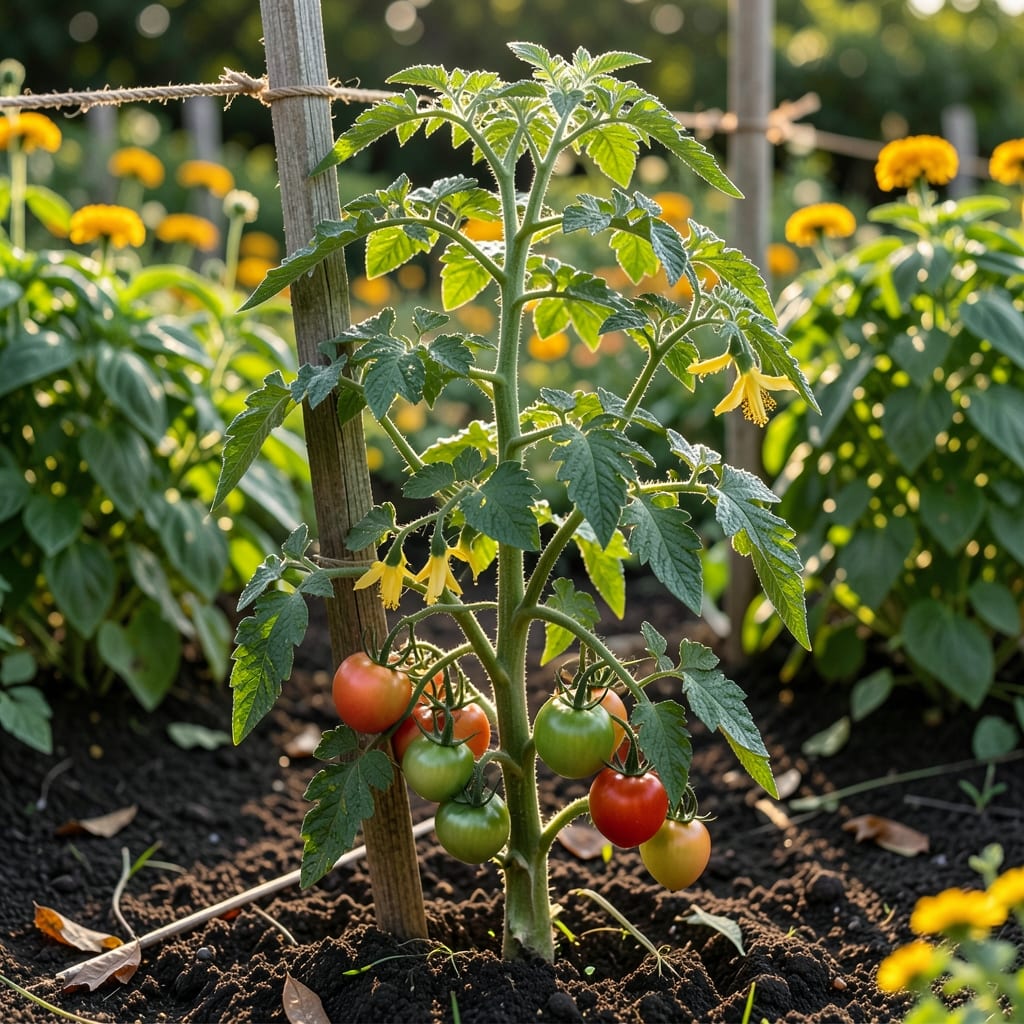
If you’ve ever watched an indeterminate tomato vine grow 🍅 spiraling up a trellis like a jungle vine, you’ve witnessed nature’s growth superpower—but how tall can indeterminate tomatoes really grow? The answer isn’t just about genetics; it’s a mix of variety, support, and even your pruning habits that could turn your garden into a vertical tomato jungle.
Some varieties like 'Sungold' might max out at 6 feet, while others like 'Brandywine' can stretch to 20 feet or more with the right care. That’s taller than a basketball hoop! The key isn’t just letting them grow wild—it’s giving them the structure they need to reach their full potential without breaking under their own weight.
Without proper support, even the most vigorous vines can become tangled messes, leading to fewer fruits and more frustration. I’ll show you how to choose the right trellis, cage, or stake system to keep your tomatoes climbing high while maximizing your yield. Plus, I’ll debunk myths about height limits and share pruning secrets that keep your plants healthy and productive.
Ready to transform your garden into a sky-high tomato paradise? Let’s dive into the science, support systems, and strategies that’ll have your indeterminate tomatoes reaching for the clouds—literally.


Indeterminate tomato growth limits by variety: from 6-Foot bushes to 20-Foot giants
Indeterminate tomatoes are the vertical superstars of the garden, capable of producing fruit all season long while stretching skyward like nature’s own skyscrapers. But their maximum height isn’t just about genetics—it’s a dance between variety selection, growing conditions, and your pruning skills. Some varieties hit 6 feet like a compact bush, while others can surpass 20 feet with the right support, making them the tallest edible plants in most gardens.
The key difference lies in their genetic potential. Indeterminate tomatoes grow continuously from the top, unlike their determinate cousins, which stop growing once they flower. This means they’ll keep climbing as long as conditions are right. But without proper care, even the most vigorous vines can become top-heavy and break under the weight of their own fruit.
Here’s what you need to know about height ranges by variety, plus how to help them reach their full potential without sacrificing yield or stability.
| Variety | Mature Height | Growth Notes | Best Support |
|---|---|---|---|
| 'Sungold' (Cherry) | 6–10 ft | Fast-growing, prolific, needs pruning | Trellis or stake |
| 'Brandywine' (Heirloom) | td style="padding: 10px; border-bottom: 1px solid #4b815c;">12–20 ftHeavy fruit, slow to mature, needs strong support | Florida weave or wooden trellis | |
| 'Cherokee Purple' | 8–15 ft | Disease-resistant, medium-heavy fruit | Cage or sturdy stakes |
| 'Sweet 100' (Cherry) | 5–8 ft | Compact, great for containers | Stake or small cage |
| 'Black Krim' | 10–18 ft | Cold-hardy, large fruit, needs pruning | Trellis with wide base |
As you can see, cherry tomatoes like 'Sungold' tend to be more compact (6–10 ft), while heirloom varieties like 'Brandywine' or 'Black Krim' can dominate your garden with heights of 12–20 feet. The secret to unlocking their full height lies in three factors: genetics, support systems, and pruning techniques.
For example, 'Brandywine' tomatoes are famous for their giant fruit, but their vines can weigh over 100 pounds when loaded with tomatoes. Without a sturdy trellis or Florida weave, they’ll flop over, leading to rotting fruit and broken stems. I’ve seen gardeners use wooden ladders or metal cages to support these giants, but even then, you’ll need to prune aggressively to direct energy upward.
On the other hand, cherry tomato varieties like 'Sweet 100' are lighter and more forgiving, making them ideal for small spaces or container gardening. They’ll still climb 5–8 feet with minimal support, but they’re less likely to overwhelm a trellis. The trade-off? They produce thousands of small fruits instead of a few large ones.
One common misconception is that taller indeterminate tomatoes always mean better yields. That’s not true! Without proper pruning and support, a 20-foot vine might produce fewer tomatoes than a well-maintained 6-foot plant. The goal is to balance height with fruit production, ensuring the vine stays strong enough to support its load.
Here’s a pro tip: If you’re growing tall varieties like 'Brandywine' or 'Black Krim', start training them early. Use soft ties (like old T-shirts or garden twine) to gently guide the main stem upward. Once they reach your trellis or cage, focus on pruning suckers (those little shoots in the leaf axils) to encourage vertical growth rather than bushy sides.
Another factor that affects height is
Indeterminate tomato growth limits by variety: from 6-Foot bushes to 20-Foot giants
Indeterminate tomatoes are the Houdinis of the garden—they keep growing until frost stops them, producing fruit all season long. But their height potential varies dramatically by variety, from compact 6-foot climbers to 20-foot jungle vines. The key difference? Genetics. Some varieties are bred for vertical growth, while others stay more manageable. For example, 'Sungold' cherry tomatoes typically max out at 6-8 feet, while heirlooms like 'Brandywine' or 'Black Krim' can easily reach 12-20 feet with proper support.
Even within indeterminate types, there’s a spectrum. Dwarf indeterminate varieties like 'Tiny Tim' stay under 3 feet, making them perfect for containers or small gardens. On the opposite end, giant varieties such as 'Mammoth' or 'Siberian' can stretch beyond 15 feet if given the right conditions. The record-holder? Some unpruned vines in ideal climates have hit 25 feet, though this is rare in home gardens.
Here’s the real-world breakdown of what to expect from popular indeterminate varieties, including their mature heights and growth habits:
Remember, these heights are potential, not guarantees. Without proper support or pruning, even a 6-foot variety can become unruly. For example, I once grew a 'Sungold' plant that sprawled 10 feet across my patio because I didn’t train it. The solution? A 5-foot trellis kept it vertical and productive. The moral? Support matters more than genetics when it comes to height.
Another factor is your climate. In warm, long-growing seasons (like Zone 9+), indeterminate tomatoes have more time to grow taller. In cooler regions, they may only reach 50% of their potential height. For instance, a 'Brandywine' in California might hit 20 feet, while the same plant in New England could max out at 10 feet due to shorter seasons. Always check your USDA Zone and adjust expectations accordingly.
Pruning also plays a huge role. If you heavily prune your indeterminate tomatoes (removing suckers and side shoots), you’ll encourage taller, more vertical growth with larger fruits. But if you skip pruning, the plant will focus on horizontal growth and produce smaller tomatoes. I prune my 'Brandywine' vines aggressively to keep them climbing my 12-foot trellis while maximizing fruit size. The result? Fewer but bigger tomatoes—and a vine that stays within bounds.
Finally, don’t forget that soil nutrition and watering directly impact height. Tomatoes need phosphorus-rich soil for strong roots and consistent moisture to support vertical growth. A nutrient deficiency or drought stress can stunt a vine by 30-50%. Always mulch around the base to retain moisture and feed the roots.