
How To
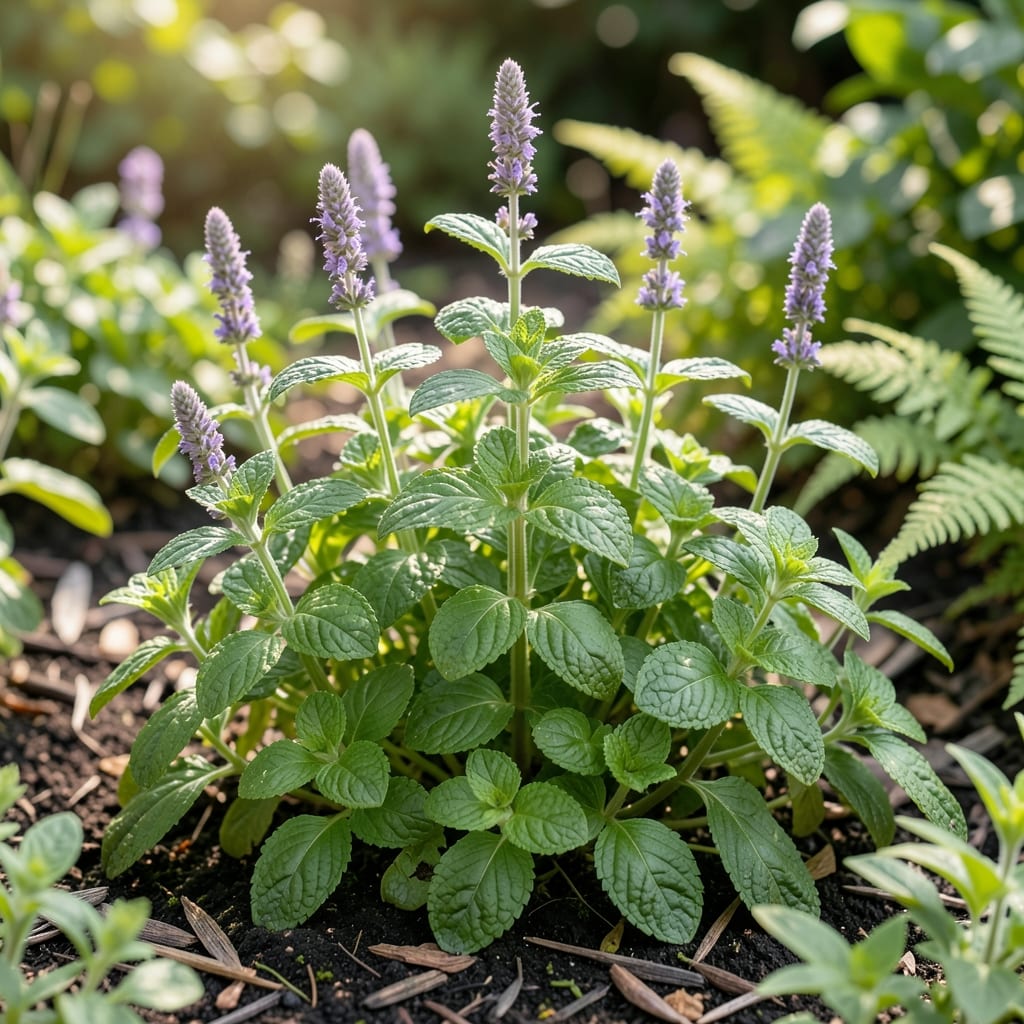
If you’ve ever wondered how tall can mint grow, the answer might surprise you—this fast-spreading herb can shoot up to 6 feet under the right conditions, turning your neat garden into a verdant jungle in no time. 🌿 While most gardeners expect mint to stay compact, its height depends on factors like sunlight, soil, and variety, with some types reaching towering proportions while others remain manageable.
Understanding mint’s growth habits is key to keeping it under control or letting it thrive without taking over. Whether you’re growing peppermint for tea or spearmint for garnishes, knowing how tall your plants could get helps you plan for containers, pruning, or even creative ways to corral its spread. The good news? With a few simple strategies, you can enjoy fresh mint without sacrificing your garden’s layout.
In this guide, I’ll break down the height ranges for different mint varieties, share expert tips to manage its growth, and reveal the secrets to keeping it at your desired size—whether that’s a 1-foot container plant or a 4-foot border along your patio. Let’s dive into the world of mint and turn its rapid growth into an advantage.
From choosing the right spot to mastering pruning techniques, you’ll learn how to harness mint’s natural tendencies without losing control. Whether you’re a beginner or a seasoned gardener, these insights will help you grow mint that’s both bountiful and well-behaved. Ready to transform your garden—or your kitchen—with this versatile herb?

Mint growth height: how tall can it really get?
Mint is one of those herbs that can be both a gardener’s delight and a nightmare—its growth habits are unpredictable if left unchecked. Under ideal conditions, mint can reach heights of 3–4 feet in a single growing season, while aggressive varieties like peppermint have been known to climb up to 6 feet when given free rein. The key to controlling its height lies in understanding its natural growth patterns and the factors that influence them.
Most mint plants start small, with 1–2 feet of growth in their first year. But here’s the catch: mint spreads aggressively through rhizomes (underground stems), which means it doesn’t just grow taller—it expands horizontally too. Without intervention, a single mint plant can quickly dominate a garden bed, crowding out other plants and creating a dense, tangled mess.
Your mint’s height depends on three critical factors: variety, sunlight exposure, and pruning habits. For example, spearmint typically stays shorter (2–3 feet) compared to apple mint, which can shoot up to 4 feet. Meanwhile, limited varieties (like those labeled "compact" or "dwarf") are bred to stay under 12 inches tall, making them perfect for containers or small gardens.
Sunlight plays a huge role too. Mint thrives in partial shade (4–6 hours of sun daily), but too much direct sunlight can make it grow taller and leggier. In shadier spots, it tends to stay bushier and more compact. This is why many gardeners prefer growing mint near the east or west side of their home, where it gets gentle morning or afternoon sun without the intensity of midday rays.
Soil quality also affects height. Mint prefers well-draining, moist soil rich in organic matter. Poor soil can stunt its growth, while overly fertile conditions might encourage rapid, unchecked vertical growth. If your mint starts stretching toward the light or developing sparse leaves, it’s a sign it needs better soil or more shade.
Now, let’s talk about the growth cycle. Mint is a perennial herb, meaning it comes back year after year. In its first year, you’ll see 1–2 feet of growth. By year two, it can reach 2–3 feet, and in year three, a mature plant may hit 3–4 feet if not pruned. The good news? With regular pruning and maintenance, you can keep it at a manageable height—even in its third year.
| Growth Stage | Height Range | Key Characteristics |
|---|---|---|
| Year 1 | 1–2 ft | Slow growth, bushy, minimal rhizome spread |
| Year 2 | 2–3 ft | Faster growth, begins spreading via rhizomes |
| Year 3+ | 3–4 ft (or taller) | Mature height, aggressive spread if unchecked |
| Dwarf Varieties | 8–12 in | Bred for containers, minimal spread |
Seasonal variations also play a role. Mint grows most aggressively in spring and summer when temperatures are mild and moisture is abundant. In fall and winter, growth slows significantly, and the plant may even die back in colder climates (USDA zones 5–9). This dormancy period is your chance to prune back overgrown stems and reset the plant’s shape for the next growing season.
If you’ve ever seen mint escape its boundaries, it’s likely because its rhizomes spread horizontally up to 3 feet per year. This is why many experts recommend growing mint in containers or using root barriers to contain its spread. Without these measures, a single plant can quickly become a 6-foot-tall, 5-foot-wide monster in just a few years.
Here’s the bottom line: mint’s height is highly manageable with the right techniques. By choosing the right variety, providing adequate sunlight and soil, and staying on top of pruning, you can enjoy lush, flavorful mint without it taking over your garden. And if you’re worried about height, dwarf varieties or regular pruning can keep it at a neat, harvestable size.
Ready to take control? The next section dives into the top 5 mint varieties ranked by height—so you can pick the perfect one for your space! 🌿
Top 5 mint varieties ranked by height and growth habits
Choosing the right mint variety is the first step to controlling its height. Not all mints grow the same—some stay compact and perfect for containers, while others reach towering heights if left unchecked. If you’re wondering how tall can mint grow, the answer depends entirely on the type you plant. Here’s a breakdown of the top 5 mint varieties, ranked by their growth habits, so you can pick the best fit for your space.
First on the list is peppermint, the tallest of the bunch. This variety can shoot up to 4–6 feet tall, making it ideal for gardeners with space to spare or those who want to create a natural privacy screen. Its robust growth makes it perfect for tea blends, but its height means it needs regular pruning or containment if you’re growing it in a small garden.
Spearmint is a more manageable option, typically reaching 2–3 feet in height. It’s a great choice for garnishes and cocktails and stays bushier than peppermint, making it easier to control. Varieties like ‘Greenleaf Spearmint’ are especially compact, staying under 2 feet tall, which is perfect for containers or window boxes.
If you’re looking for something sweet and flavorful but still easy to manage, chocolate mint is a fantastic pick. It grows to about 2–3 feet tall and has a rich, minty-cocoa flavor that’s perfect for desserts. Its upright growth habit makes it a great choice for border plants or adding height to herb gardens without taking over.
Pineapple mint is another standout variety, known for its citrusy flavor and compact growth. It typically stays between 1–2 feet tall, making it perfect for small gardens, balconies, or even indoor growing. Its fragrant leaves are a great addition to fruit salads or cocktails, and its manageable size means you won’t need to worry about it spreading too aggressively.
For gardeners with limited space, dwarf mint varieties are a game-changer. These specially bred plants stay under 12 inches tall and are often labeled as "compact" or "bush mint." They’re ideal for containers, hanging baskets, or windowsills and won’t overwhelm your garden. Varieties like ‘Mocha Mint’ or ‘Apple Mint’ (dwarf types) are perfect for those who want flavorful mint without the height.
When selecting a variety, consider your growing space and intended use. If you’re growing mint for tea or cooking, taller varieties like peppermint or chocolate mint are great choices—but they’ll need space. For small gardens or containers, opt for spearmint, pineapple mint, or dwarf varieties to keep things neat and tidy. No matter which you choose, understanding how tall your mint can grow will help you plan for success!
Ready to take control of your mint’s height? The next section covers pruning, containers, and natural barriers to keep your mint at your desired size—no matter how tall it’s meant to grow! ✂️