
Flowers
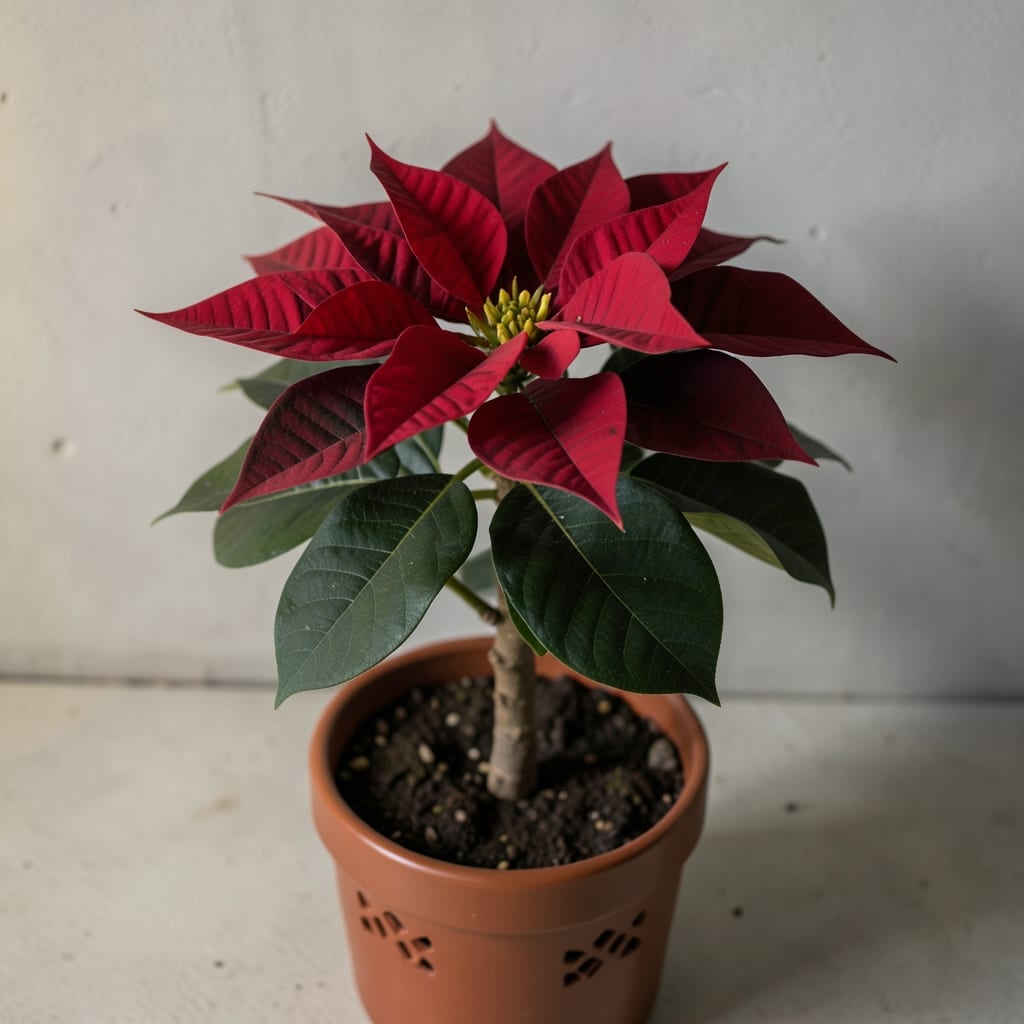
Wondering how tall your poinsettia 🌺 can grow? The answer might surprise you—these festive plants can stretch from tiny tabletop companions to towering holiday centerpieces, depending on the type and how you care for them.
Most gardeners assume poinsettias stay small, but some varieties reach over 4 feet tall with the right conditions. Whether you're working with a dwarf variety or a standard plant, understanding the factors that influence height—like light exposure, pruning habits, and even the pot size—can help you shape your poinsettia exactly how you want it.
If you've ever struggled to keep your poinsettia from becoming leggy or overgrown, you're not alone. The key to managing its height lies in simple care adjustments that make a big difference. Let me walk you through the best practices to encourage the perfect size for your space.
From choosing the right variety to mastering pruning techniques, you'll discover how to train your poinsettia for a compact, bushy look—or let it grow tall for a dramatic display. Ready to take control of your plant's height?


Poinsettia height limits by variety: from dwarf to giant
Poinsettias 🌺 come in a surprising range of sizes, from tiny tabletop varieties to towering holiday centerpieces. The height you can expect depends entirely on the cultivar you choose. For example, dwarf varieties like 'Tiny Tiki Torch' stay under 12 inches, making them perfect for desks or shelves, while standard varieties like 'Premium Red' can reach 3 to 4 feet tall when given ideal growing conditions.
Many gardeners assume all poinsettias are the same size, but breeders have developed varieties to fit every space. Whether you're decorating a small apartment or creating a dramatic focal point in your living room, selecting the right variety is the first step to controlling your plant's height. Let’s explore the most popular types and their mature sizes.
Here’s what you need to know about poinsettia height limits by variety, including how to choose the best fit for your home or garden:
| Variety | Mature Height | Best For |
|---|---|---|
| 'Tiny Tiki Torch' | 8–12 inches | Desks, shelves, small spaces |
| 'Winter Rose' | 12–18 inches | Tabletop displays, gift wrapping |
| 'Premium Red' | 24–36 inches | Holiday centerpieces, floor decor |
| 'Celebrate Series' | 18–24 inches | Bushy, compact holiday displays |
| 'Gravitat' | 30–40 inches | Statement-making indoor plants |
If you're aiming for a compact poinsettia, dwarf varieties are your best bet. These plants are bred to stay small, even with minimal pruning. On the other hand, if you want a tall, dramatic poinsettia, varieties like 'Gravitat' or 'Premium Red' will deliver the height you need—provided you give them the right care.
One common misconception is that all poinsettias will grow to their maximum height if left unchecked. In reality, light conditions and pruning habits play a huge role in determining how tall your plant will become. For instance, a 'Premium Red' poinsettia in a dark corner might only reach 18 inches, while the same plant in bright, indirect light could easily top 3 feet.
Another factor to consider is the pot size. Poinsettias grown in small pots tend to stay shorter because their roots are restricted. If you want a taller plant, choose a larger pot (at least 10–12 inches in diameter) and give it plenty of room to grow. Conversely, if you're aiming for a bushier, shorter plant, a smaller pot can help encourage compact growth.
For outdoor gardeners, poinsettias are typically grown as annuals, but if you plant them in the ground in USDA Zone 10 or warmer, they can grow even taller—sometimes reaching 5 feet or more—thanks to the warmer climate and longer growing season. However, most of us grow poinsettias indoors, where height is more easily controlled with care.
When selecting a poinsettia, always check the tag or description for height information. Nurseries often label plants clearly, so you can avoid surprises. If you're unsure, ask the staff for recommendations based on your space and decor style. With the right variety and care, you can train your poinsettia to be exactly the size you want—whether that's a tiny desk companion or a towering holiday centerpiece.
Now that you know the height limits by variety, let’s dive into how to control your poinsettia’s growth with light, pruning, and watering—so you can shape it perfectly for your space. ✂️
How light, pruning, and watering control poinsettia height
Light exposure is the single biggest factor in controlling your poinsettia’s height. These plants naturally stretch toward light sources, a behavior called etiolation. When placed in low-light conditions, poinsettias grow leggy and tall, sometimes reaching 20% taller than their expected height. To keep your plant compact, position it near a bright, indirect light source, like an east- or west-facing window. Avoid south-facing windows, which can scorch the leaves with direct sunlight.
If your poinsettia starts stretching toward a window, it’s a clear sign it needs more light. Rotate the pot quarter-turns weekly to encourage even growth. For indoor gardeners without ideal windows, a grow light (12–14 hours daily) can prevent excessive height. Just be sure to keep it 6–12 inches away to avoid leaf burn.
Pruning is your next tool for height control. Unlike many plants, poinsettias don’t respond well to heavy pruning after they’ve started blooming. Instead, focus on pinching back young stems in early summer to encourage bushier growth. Use clean, sharp scissors or pruning shears to snip just above a leaf node. This technique can reduce height by 30–50% while creating a fuller, more decorative plant.
Here’s how to use pruning to shape your poinsettia’s height:
- 1 Pinch back stems when they’re 4–6 inches tall in early summer to encourage branching.
- 2 Avoid heavy pruning after September 1st, as it can delay or prevent blooming.
- 3 Remove leggy stems by cutting just above a leaf node to redirect energy to side shoots.
- 4 Use a larger pot (10–12 inches) for taller varieties to support root growth and prevent toppling.
Watering habits also play a subtle but important role in height control. Overwatering can lead to stunted growth by suffocating roots, while underwatering causes stress that makes plants grow slower. Aim for consistently moist soil—never soggy. Let the top inch of soil dry out between waterings, and always use a pot with drainage holes to prevent root rot. During the fall blooming period, reduce watering slightly to encourage vibrant bract development.
One often-overlooked tip is to fertilize lightly in early fall (September–October) to support blooming. Use a balanced 10-10-10 fertilizer at half-strength every 4–6 weeks. Avoid fertilizing in winter, as poinsettias enter a dormancy-like state and don’t need extra nutrients. Too much fertilizer can lead to excessive leafy growth at the expense of bract color and height control.
By mastering these three factors—light exposure, pruning timing, and watering balance—you’ll have full control over your poinsettia’s height. Whether you want a compact tabletop display or a towering holiday statement piece, these techniques will help you achieve the perfect size. Ready to shape your poinsettia’s growth? Let’s dive into pruning techniques for even more precision. ✂️