
Trees
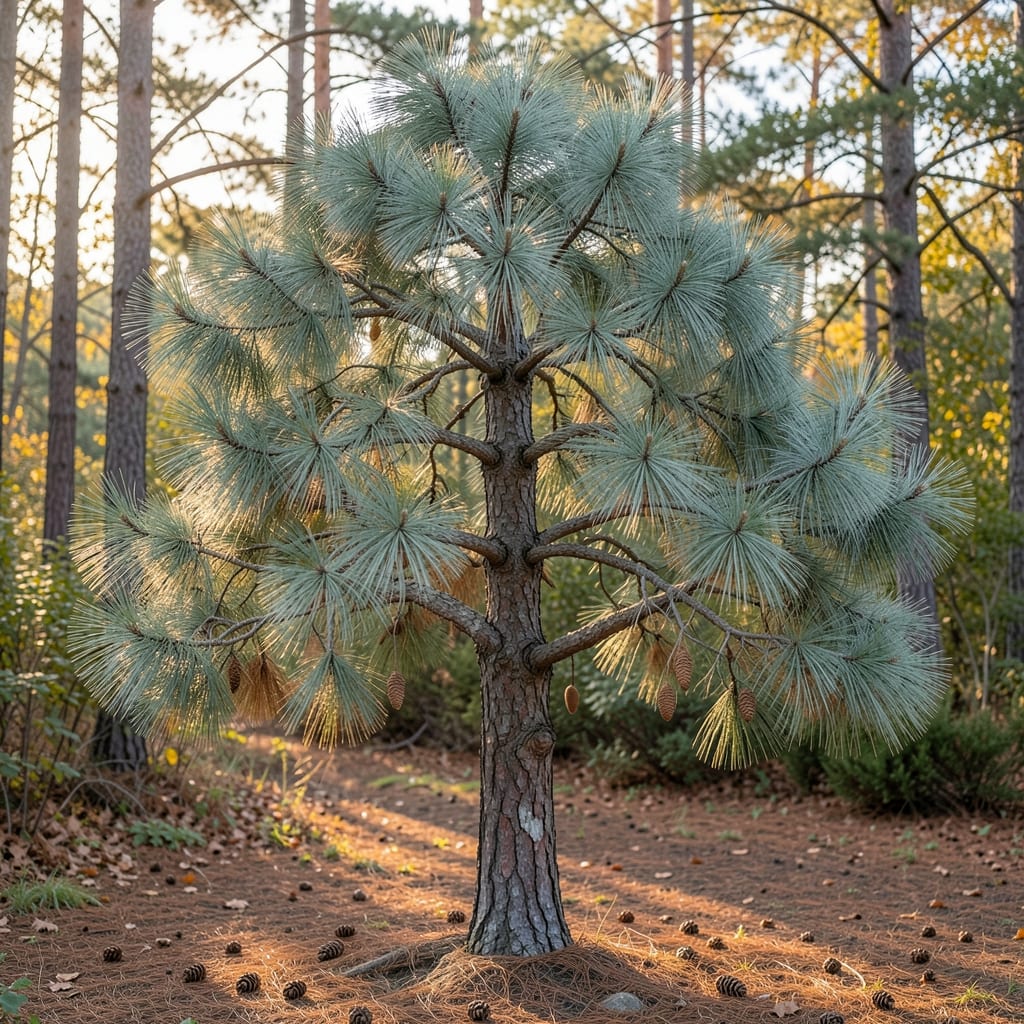
If you’ve ever stared up at a towering white pine 🌲 and wondered just how tall these majestic trees can grow, you’re not alone. The answer might surprise you—some Eastern White Pines reach heights of 80 feet or more, making them one of the tallest native trees in North America. But their growth isn’t just about sheer size; it’s a fascinating interplay of genetics, climate, and even soil conditions.
Understanding how tall your white pine could grow isn’t just for foresters or landscapers—it’s valuable for anyone planting one in their yard. Whether you’re dreaming of a shade-providing giant or just curious about the potential of your new tree, knowing the factors that influence height helps you set realistic expectations. From the Pacific Northwest’s lush climates to the rocky soils of the Appalachians, where a white pine thrives can dramatically change its final stature.
What’s even more interesting is how quickly these trees grow in their early years. A young white pine can shoot up 2–3 feet per year under ideal conditions, but that pace slows as they mature. The key to unlocking their full potential? Proper spacing, sunlight, and avoiding common pitfalls like over-pruning or poor soil drainage. Let’s break down exactly what you need to know to help your white pine reach its maximum height.
Ready to plant a tree that could one day tower over your home? I’ll walk you through the science behind white pine growth, the record-breaking heights these trees can achieve, and the simple steps you can take to give your own tree the best chance to grow tall and strong. Let’s get started!


White pine height records by species: from dwarfs to giants
White pines are nature’s skyscrapers, and their height varies dramatically depending on the species and growing conditions. The Eastern White Pine (Pinus strobus) holds the record as the tallest native tree in the eastern U.S., with some specimens reaching over 180 feet in ideal conditions—though the average mature height is 60–80 feet. In comparison, the Western White Pine (Pinus monticola) typically maxes out around 100–150 feet in the Pacific Northwest’s moist climates.
These giants don’t just grow tall—they grow fast in their youth. A healthy white pine sapling can grow 2–3 feet per year during its first decade, though growth slows to 1–2 feet annually as it matures. The key to unlocking their full potential lies in genetics, climate, and care—factors we’ll explore in detail below.
Here’s where things get fascinating: while most white pines in urban settings top out at 40–60 feet due to restricted root space, forest giants in the Pacific Northwest and Appalachian Mountains can stretch toward the sky with minimal competition. Even dwarf varieties, like the ‘Nana’ cultivar, stay compact at 10–15 feet but share the same species traits.
🌲
The Eastern White Pine dominates the East Coast, where its needle-like branches create a stunning canopy. Meanwhile, the Western White Pine thrives in the wet, coastal climates of the Pacific Northwest, where it can outpace its eastern cousin by 20–30 feet due to richer soils and higher humidity. Even the dwarf varieties offer a fraction of the height but with the same elegant form—perfect for smaller yards.
One common misconception is that white pines grow equally well in all soils. While they’re adaptable, their height potential plummets in compacted or waterlogged soils. In ideal conditions—like the deep, well-draining soils of the Appalachians—they can achieve their full height potential. But in urban settings with limited root space, expect heights closer to 30–40 feet.
If you’re planting a white pine with height in mind, choose a sunny, open location with at least 6 hours of direct sunlight daily. Avoid planting near sidewalks or buildings, as their roots can crack foundations over time. With the right conditions, your white pine could one day become a neighborhood landmark—just like the 180-foot giants standing tall in Michigan’s forests.
🌳
How growth zones and climate affect white pine height
White pines aren’t just tall—they’re climate-sensitive giants, and where you plant yours can mean the difference between a 60-foot shade tree and a 90-foot forest monarch. The USDA hardiness zones play a starring role, with zones 5–7 offering the sweet spot for optimal growth. In these zones, Eastern White Pines often hit their 80-foot potential, while cooler zones like 3–4 may cap growth at 40–50 feet due to slower spring starts and shorter growing seasons.
The Pacific Northwest stands out as a prime region for white pine growth, thanks to its mild winters and high humidity. Trees here can grow 3–4 feet per year in their youth, fueled by abundant rainfall and nutrient-rich soils. Meanwhile, in the Appalachian Mountains, thinner soils and cooler temperatures slow growth, but white pines still thrive—just at a more modest 50–60 feet. Elevation also matters: every 1,000 feet gained can reduce a tree’s mature height by 5–10 feet due to lower oxygen levels and shorter growing seasons.
If you’re planting in a less-than-ideal zone, don’t despair—white pines are adaptable survivors. In cooler climates, choose dwarf cultivars like ‘Nana’ (reaching 10–15 feet) or focus on soil enrichment to boost growth. In hot, dry areas like the Southeastern U.S., prioritize deep watering and mulching to compensate for shorter growing seasons. Even a 50-foot tree in these conditions is a win when planted correctly!
One often-overlooked factor is microclimates—small areas with unique conditions. A south-facing slope in your yard might mimic a warmer zone, while a north-facing valley could slow growth. Test your soil’s pH and drainage before planting; white pines prefer slightly acidic soil (pH 5.0–6.5) and well-draining conditions. Amending clay soils with compost can add 10–20 feet to a tree’s mature height by improving root development.
For those in urban or suburban settings, white pines can still reach impressive heights—just with more pruning and spacing adjustments. In tight spaces, consider semi-dwarf varieties or prune aggressively in early years to manage height. Remember, root competition from nearby trees or buildings can stunt growth, so give your white pine at least 20 feet of clearance on all sides for optimal development.
Ready to maximize your white pine’s height? Start by checking your USDA zone and local climate data, then tailor your care to your region’s strengths. With the right conditions, your tree could one day rival the tallest recorded white pines—some of which top 100 feet in ideal forests! 🌲