
Size
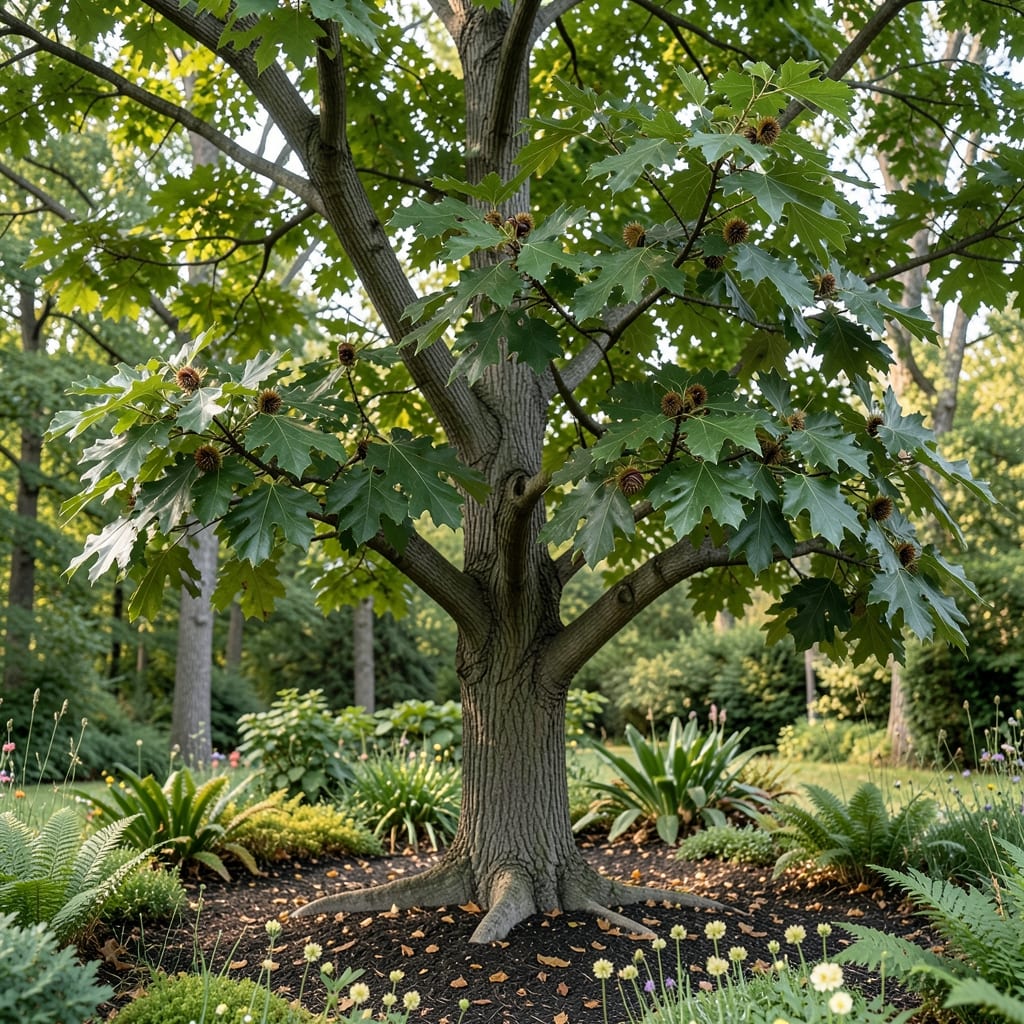
If you're dreaming of a towering American chestnut tree 🌳 in your backyard, you're not alone—but knowing how tall do American chestnut trees grow can make all the difference in planning your landscape. These majestic trees once reached 100 feet or more before blight devastated their populations, and today's disease-resistant varieties are bringing that legacy back.
Modern cultivars like 'Dunstan' and 'Bartlett' still grow impressively, typically reaching 60 to 80 feet at maturity, though some may stay shorter depending on growing conditions. The key to unlocking their full height potential lies in soil quality, sunlight exposure, and proper care during their early years.
Before you plant, consider the space requirements—these trees need room to spread their roots and branches. With the right conditions, you could end up with a stunning shade provider that also produces delicious nuts. Let’s explore what influences their growth and how you can optimize it for your garden.
Whether you're a seasoned gardener or a newcomer to tree care, understanding these growth patterns will help you make informed decisions. From pruning tips to soil preparation, we’ll cover everything you need to know to nurture a healthy, thriving American chestnut tree in your landscape.

Historical growth patterns of pre-blight American chestnut trees
The original American chestnut trees were true giants of the eastern U.S. forest, reaching heights of 100 feet or more under ideal conditions. Before the devastating chestnut blight in the early 1900s, these trees dominated the landscape with their towering stature and expansive canopies. Their rapid growth—sometimes 3 feet per year in optimal conditions—made them a dominant species in hardwood forests from Maine to Mississippi.
These ancient trees thrived in rich, well-drained soils with ample sunlight, often growing alongside oaks and hickories. Their massive trunks could reach 6 feet in diameter, and their sprawling root systems made them resilient against storms. The blight, caused by the fungus Cryphonectria parasitica, wiped out nearly every mature tree, leaving only sprouts and a few resistant hybrids.
Historically, the tallest American chestnuts were found in Appalachian mountain regions and along river valleys, where deep, fertile soils and consistent rainfall supported their explosive growth. Some records even document trees exceeding 120 feet in height, though these were rare exceptions rather than the norm.
Here’s what made these historical giants so impressive:
| Characteristic | Details |
|---|---|
| Mature Height | 60–100+ feet (some exceeded 120 feet) |
| Growth Rate | 1–3 feet per year (young trees) |
| Trunk Diameter | 3–6 feet at maturity |
| Lifespan | 200–300+ years |
| Canopy Spread | 50–70 feet wide |
Today’s disease-resistant cultivars can’t quite match the historical height records, but they’re bringing back the legacy of these magnificent trees. The key difference lies in their genetic resistance to blight, which allows them to grow taller and healthier in modern landscapes. If you’re planting one, you’ll still need to provide the right conditions to encourage robust growth.
One fascinating aspect of historical chestnuts was their rapid early growth. In their first decade, these trees could shoot up 10–15 feet, setting the stage for their eventual towering stature. This rapid vertical growth was fueled by their ability to tap into deep water sources and their tolerance for a wide range of soil types, though they preferred moist, fertile conditions.
Modern gardeners can learn from these historical patterns by mimicking the conditions that supported their growth. For instance, planting in well-drained, slightly acidic soils (pH 4.5–6.0) and ensuring full sun exposure can help your tree reach its potential height. While today’s cultivars may not hit the 120-foot mark, a well-cared-for tree can still grow to 80 feet or more in ideal settings.
Understanding the historical context also highlights why space planning is critical. These trees weren’t just tall—they were sprawling, with canopies wide enough to shade entire acres. If you’re planting one in your yard, ensure you have at least 50 feet of clearance in all directions to accommodate its mature size.
The return of the American chestnut is a testament to modern horticulture’s ability to revive lost species. By learning from their historical growth patterns, you can help these trees reclaim their place in forests and backyards alike—one towering trunk at a time. 🌳
Modern cultivar heights: what to expect from disease-resistant varieties
Today’s disease-resistant American chestnut cultivars are a remarkable comeback story, but their heights differ from their historical predecessors. While pre-blight trees could reach 100+ feet, modern varieties like 'Dunstan' and 'Bartlett' typically grow between 60 to 80 feet at maturity. These cultivars have been bred to resist the blight fungus while maintaining strong growth potential, making them ideal for modern landscapes.
The most popular cultivars vary in height based on their genetic background and growing conditions. For example, 'Sargent' often reaches 70–80 feet, while 'Dunstan' may stay slightly shorter at 50–70 feet. Even these differences mean you’ll need significant space—these trees aren’t just tall; they’re architectural statements that require careful planning.
Here’s how modern cultivars compare to their historical counterparts:
| Cultivar | Mature Height | Growth Rate (Early Years) | Best For |
|---|---|---|---|
| 'Dunstan' | 50–70 ft | 1–2 ft/year | Urban landscapes, smaller yards |
| 'Bartlett' | 60–75 ft | 2–3 ft/year | Rural properties, woodlands |
| 'Sargent' | 70–80 ft | 2–4 ft/year | Large estates, reforestation |
| Historical (Pre-Blight) | 60–100+ ft | 3+ ft/year | Wild forests, river valleys |
If you’re planting in a smaller urban yard, consider 'Dunstan', which stays shorter but still makes a statement. For larger properties, 'Sargent' or 'Bartlett' will give you that classic chestnut silhouette while producing abundant nuts. The key is choosing a cultivar that fits your space while meeting your goals for height and productivity.
One advantage of modern cultivars is their faster early growth. In the first 5 years, you can expect 1–3 feet of vertical growth per year, depending on conditions. This rapid start sets the foundation for their eventual height. Proper care—like regular watering and pruning—can further accelerate their development, helping them reach their full potential sooner.
For gardeners in USDA zones 5–8, these trees thrive with minimal fuss once established. Their disease resistance means fewer worries about blight, allowing them to focus on growing tall and strong. Just remember: even the shorter cultivars will need at least 40 feet of clearance to avoid overcrowding nearby structures or plants.
Whether you’re restoring a forest or adding a focal point to your backyard, modern American chestnut cultivars deliver both height and heritage. With the right variety and care, you’ll have a tree that honors the past while shaping the future of your landscape. 🌳