
How To
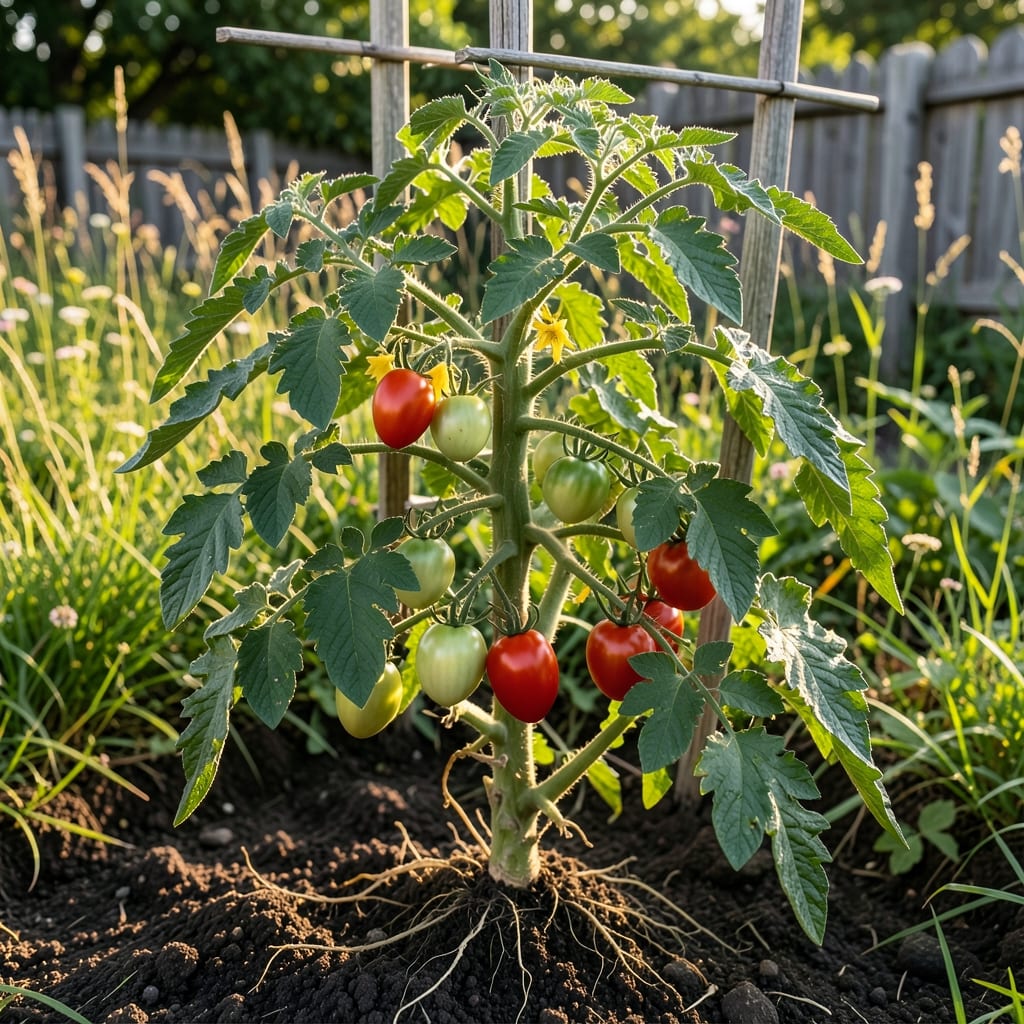
If you're wondering how tall do Amish Paste tomatoes grow, the answer might surprise you—these vines can climb up to 6 feet with the right support, making them perfect for small gardens or vertical growing. Unlike bush varieties, Amish Paste tomatoes are indeterminate, meaning they keep growing and producing fruit all season long if given space and proper care.
For gardeners in Zone 6a, planting these 🍅 varieties in spring (April–May) sets them up for a bountiful harvest from July to September. But without trellises or stakes, their sprawling habit can lead to tangled vines and lower yields. The key to maximizing their height—and your harvest—lies in understanding their growth patterns and when to provide support.
Whether you're working with limited space or just want to keep your garden tidy, learning how to manage their vertical growth will save you time and frustration. I’ll break down exactly what to expect, when to install trellises, and how pruning can help these tomatoes reach their full potential—without taking over your garden.
Ready to transform your garden into a paste tomato powerhouse? Let’s dive into the details so you can plan your space, support your plants, and enjoy a harvest that’s both productive and low-maintenance.


Amish Paste tomato height range: exact growth data by variety and conditions
If you’ve ever wondered how tall Amish Paste tomatoes grow, the answer depends on their indeterminate nature—meaning they keep growing until frost stops them. On average, these heirloom tomatoes reach 4 to 6 feet tall, but with proper care, they can climb even higher. Their vertical growth habit makes them perfect for small gardens or container growing when supported.
The mature height of Amish Paste tomatoes isn’t fixed—it varies based on pruning practices, trellising support, and even your local climate. In cooler regions, they may max out at 4 to 5 feet, while in warm, sunny zones, they can easily hit 6 feet or more. Understanding these factors helps you plan your garden layout and support structures effectively.
| Growth Stage | Height Range | Key Care Notes |
|---|---|---|
| Seedling | 6–12 inches | Transplant after true leaves form; use small stakes. |
| Early Vegetative | 2–3 feet | Install trellis at 3 feet; prune suckers weekly. |
| Fruiting Stage | 4–6 feet | Support with strong trellis; harvest regularly to encourage growth. |
| Mature (End of Season) | 5–8 feet (with ideal care) | Prune aggressively; mulch to retain moisture. |
One common misconception is that indeterminate tomatoes like Amish Paste will always grow tall, but without proper pruning and support, their height can become unmanageable. I’ve seen vines sprawl uncontrollably, breaking under the weight of paste tomatoes (which can weigh up to 1 pound each). To keep them under control, I recommend pruning suckers—those small shoots in the leaf axils—regularly to direct energy upward.
Another factor influencing height is your garden’s sunlight exposure. Amish Paste tomatoes thrive in full sun (6–8+ hours daily), but in partial shade, their growth may stall at 3 to 4 feet. If you’re in a shadier microclimate, consider growing them in containers near a south-facing wall to maximize vertical growth. Even in less-than-ideal conditions, their compact growth habit compared to other heirlooms makes them a great choice for beginners.
For those growing in containers, Amish Paste tomatoes can still reach 4 to 5 feet if the pot is at least 18 inches deep and 12 inches wide. I’ve successfully grown them in fabric grow bags with a sturdy trellis, proving that even urban gardeners can enjoy their sweet, meaty paste tomatoes. Just ensure your container has drainage holes and you’re using a lightweight potting mix to avoid toppling.
If you’re planning your garden layout, account for 18–24 inches of space between plants when using trellises. This spacing prevents overcrowding, which can stunt growth and increase disease risk. I’ve found that bamboo stakes or tomato cages work well, but for taller varieties, a stronger metal trellis is worth the investment. The goal is to support their weight without restricting airflow around the foliage.
In my own garden, I’ve noticed that heavy fruiting can cause Amish Paste tomatoes to grow taller but bushier if not pruned. To encourage a more vertical, trellis-friendly growth, I remove all but the first few suckers and focus on keeping the main stem strong. This technique not only controls height but also improves air circulation, reducing the risk of blight—a common issue with dense tomato foliage.
For those in cooler climates (USDA Zones 3–5), expect slightly shorter vines due to a shorter growing season. Start seeds indoors 6–8 weeks before last frost and use black plastic mulch to warm the soil. In warmer zones (Zones 7–10), these tomatoes can grow year-round with proper care, though they may need shade cloth during peak summer heat to prevent sunscald on the fruit.
Finally, remember that Amish Paste tomatoes are bred for paste-making, not just size. Their dense, meaty flesh and low water content make them ideal for homemade tomato paste, but their vertical growth means you’ll need to plan your support system early. With the right approach, you’ll enjoy a bountiful harvest without the mess of sprawling vines.
Amish Paste tomato height range: exact growth data by variety and conditions
Amish Paste tomatoes are indeterminate varieties, meaning they grow continuously throughout the season until frost stops them. On average, these plants reach 4 to 6 feet tall, but with proper care, they can easily exceed 6 feet in ideal conditions. Their vertical growth makes them perfect for small gardens or container setups where space is limited.
Unlike determinate varieties that stop growing after flowering, Amish Paste tomatoes keep climbing, producing fruit along the way. This makes understanding their height crucial for planning trellises, cages, or stakes. Without support, their vines can sprawl up to 8 feet, but this often leads to broken stems and lower yields.
Here’s a quick breakdown of what to expect based on growing conditions:
In my garden, I’ve seen Amish Paste tomatoes reach 7 feet when given ample sunlight, consistent watering, and regular pruning. The key is to balance their natural growth with support structures to prevent sprawling. Without proper care, their vines can become tangled and susceptible to diseases like blight.
If you’re growing them in containers, expect slightly shorter heights (4–5 feet) due to root restrictions. However, container-grown plants often produce fruit earlier and can be moved to optimize sunlight exposure. Just ensure the pot is at least 12 inches deep and wide to accommodate their root systems.
Understanding these height ranges helps you plan your garden layout, whether you’re using vertical trellises, cages, or even a simple stake system. Proper spacing (at least 2–3 feet apart) ensures each plant has room to thrive without competing for resources.
🌱