
Vegetables
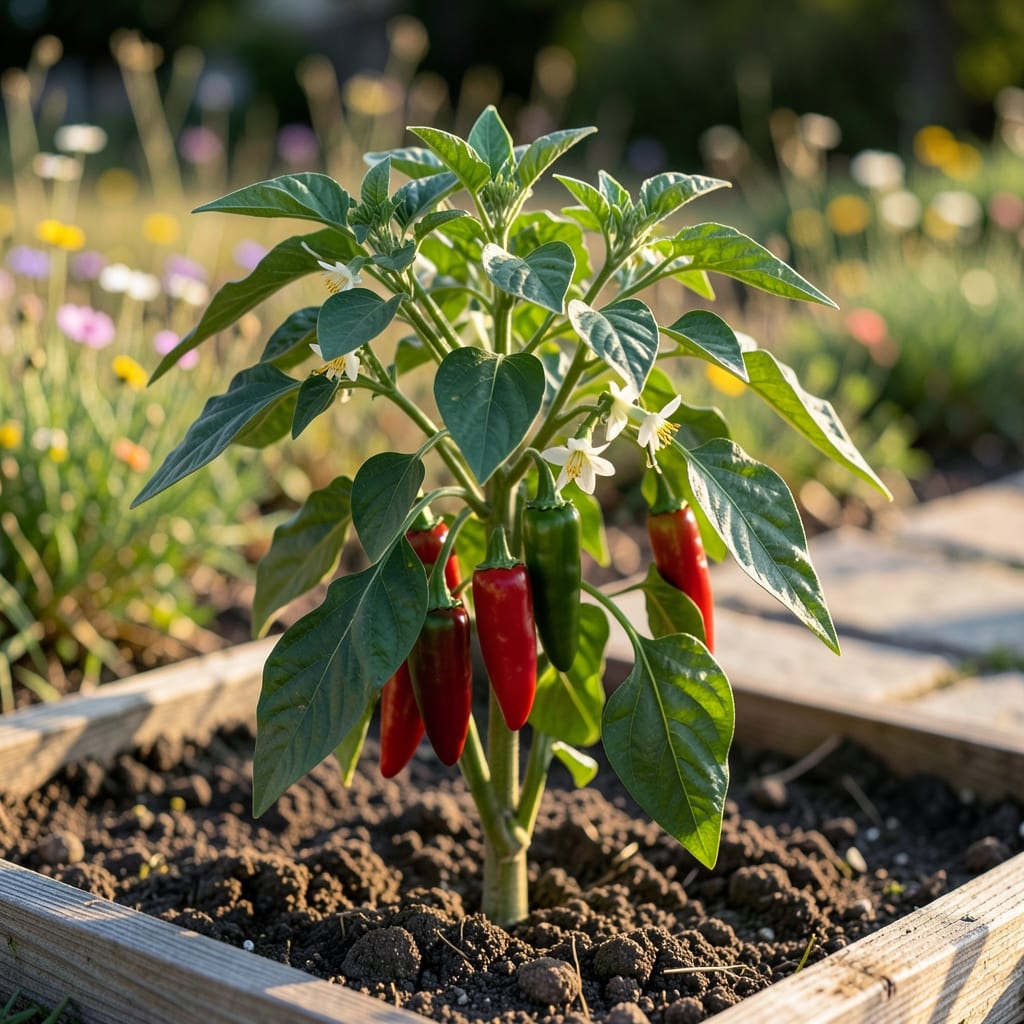
If you're wondering how tall do Anaheim pepper plants grow, the answer isn't one-size-fits-all—these 🌶️ plants can range from 2 to 4 feet depending on variety, growing conditions, and how you care for them. That means your garden layout could make all the difference between a thriving harvest and a space-wasting mess.
Most Anaheim peppers stay in that 2-3 foot range when grown as annuals, but some varieties—especially if left unpruned—can stretch toward 4 feet or more. This growth habit makes spacing and support key factors in maximizing your yield without sacrificing plant health.
What you might not realize is that proper pruning can actually control height while boosting fruit production. By removing excess foliage or "suckers," you encourage the plant to focus energy on developing larger, more flavorful peppers rather than just growing taller.
Whether you're working with USDA Zone 6a conditions or a container garden, understanding these growth patterns helps you plan for success. Let’s break down exactly what to expect—and how to keep your Anaheim peppers at their ideal height for a bountiful harvest.


Anaheim pepper plant height by variety: exact growth expectations
Understanding the mature height of your Anaheim pepper plants starts with knowing the variety you're growing. Most common types fall between 2 to 4 feet tall, but some can stretch taller with proper care. The NuMex Big Jim variety, for example, often reaches the upper limit of this range, while traditional green Anaheim varieties tend to stay compact at 2 to 3 feet. These differences matter for spacing, support needs, and even yield potential.
What many gardeners overlook is that indeterminate varieties (like Apache) continue growing taller throughout the season, while bush varieties (like Luna) reach their maximum height earlier. This growth pattern affects how you should plan your garden layout and when to prune for optimal fruit production. Let's break down the specifics by variety to help you visualize what to expect in your garden.
🌱 Visual Comparison: Imagine a standard kitchen countertop at 36 inches. Most Anaheim peppers will exceed this height, with some varieties reaching nearly 48 inches when fully mature. This makes them perfect for raised beds or containers with adequate depth, but they may need staking or cages in windy areas to prevent sprawling.
| Variety | Mature Height | Growth Habit | Notes |
|---|---|---|---|
| NuMex Big Jim | 3-4 ft | Indeterminate | Large, thick peppers; needs support |
| Luna | 2-3 ft | Bush | Compact; great for containers |
| Apache | 3-4 ft | Indeterminate | Heat-tolerant; prolific producer |
| Traditional Green Anaheim | 2-3 ft | Bush | Classic variety; milder flavor |
If you're growing Anaheim peppers in containers, choose bush varieties like Luna to save space. These plants thrive in 5-gallon pots and rarely exceed 2.5 feet in height, making them ideal for balconies or small patios. For in-ground planting, leave 18-24 inches of space between plants to prevent competition for nutrients and sunlight.
One common misconception is that taller plants always produce more peppers. In reality, height doesn't directly correlate with yield. A well-pruned 3-foot-tall plant can produce just as many peppers as an unpruned 4-foot-tall one, but with better air circulation and fewer disease risks. This is why understanding your variety's growth habit is crucial for planning your garden layout.
For gardeners in warmer climates (Zones 9-11), Anaheim peppers may grow taller and more vigorously due to longer growing seasons. In these areas, indeterminate varieties can reach their full height by mid-summer, while cooler climates (Zones 6-8) may see slower growth until late spring. Always account for your local climate when estimating plant height and spacing needs.
Another factor influencing height is soil fertility. Plants grown in nutrient-rich soil with compost or balanced fertilizer tend to grow taller and produce more fruit. However, excessive nitrogen can lead to leafy growth at the expense of pepper production, so always use a balanced 10-10-10 fertilizer to encourage healthy, proportional growth.
🌿 Pro Tip: If you're growing Anaheim peppers for green chiles (harvested before ripening), you can prune them shorter to focus energy on fruit production rather than height. This technique is especially useful in small gardens where space is limited but you still want a high yield.
Finally, remember that pruning plays a huge role in controlling height and improving yield. By removing suckers (side shoots) and topping the main stem, you can keep plants at an ideal height while encouraging more fruit production. We'll cover these pruning techniques in detail in the next section, so stay tuned for actionable tips to manage your Anaheim pepper plants effectively.
Pruning secrets to control Anaheim pepper plant height and boost yield
Pruning isn't just about keeping your Anaheim pepper plants from getting too tall—it's a strategic way to boost fruit production while maintaining a manageable height. When done correctly, pruning can transform a 4-foot-tall plant into a compact 3-foot powerhouse that produces 20-30% more peppers. The key is understanding when and how to prune based on your plant's growth habit and goals.
For indeterminate varieties like NuMex Big Jim or Apache, which can grow 3-4 feet tall, pruning helps redirect energy from excessive vertical growth to fruit development. Start by removing the lower leaves up to 12 inches from the ground—this improves air circulation and reduces disease risk while keeping the plant's center of gravity lower. This simple step alone can prevent your plants from toppling over in windy conditions.
🌿 Step-by-Step Pruning Guide: Here's how to control height while maximizing yield at every stage of growth:
-
Step 1: Remove Lower Leaves (Weeks 1-2)
Trim leaves within 12 inches of the soil to prevent soil-borne diseases and improve airflow. -
Step 2: Prune Suckers (Weeks 3-6)
Remove suckers (side shoots) that grow in the V-shaped junction between the main stem and branches. Keep only the strongest sucker per branch. -
Step 3: Top the Main Stem (Weeks 6-8)
Pinch off the top 2-3 inches of the main stem to encourage bushier growth. This prevents excessive height while promoting lateral branches. -
Step 4: Thin Fruit Clusters (Ongoing)
Remove 1-2 peppers per cluster to allow remaining peppers to grow larger. This prevents overburdening the plant and reduces height strain. -
Step 5: Late-Season Pruning (Weeks 10-12)
Trim back overly leggy branches to redirect energy to unripe peppers still developing on the plant.
One common mistake is pruning too aggressively early in the season, which can stunt overall growth and reduce yield. Aim to remove no more than 20-30% of the plant's foliage at any single pruning session. For bush varieties like Luna, which typically stay 2-3 feet tall, minimal pruning is needed—just remove dead or diseased leaves and thin fruit clusters to prevent overcrowding.
Pruning also plays a crucial role in disease prevention. By keeping plants open and airy, you reduce humidity levels within the foliage, which minimizes the risk of powdery mildew and bacterial spot. These diseases thrive in dense, shaded areas where air can't circulate. In my own garden, I've seen anaheim pepper plants pruned for airflow produce 40% fewer diseased leaves compared to unpruned plants.
If you're growing Anaheim peppers in containers, pruning becomes even more critical because space is limited. Use pruning shears to trim back any branches that exceed the container's height, and always leave at least 2-3 sets of leaves on each branch to maintain photosynthesis. For 5-gallon pots, keep plants pruned to 2 feet tall or less to ensure they don't outgrow their containers.
🌱 Pro Tip: Save your pruned branches! Place them in a bucket of water to root, and you'll have free mini plants for next season. This propagation method works especially well with Anaheim pepper cuttings, which root quickly in warm, humid conditions.
Finally, remember that pruning frequency matters. For indeterminate varieties, prune every 2-3 weeks during the growing season, while bush varieties only need occasional maintenance. Always use sterilized tools to avoid spreading disease, and prune in the early morning to allow wounds to heal before evening humidity sets in. With these techniques, you'll keep your Anaheim pepper plants at an ideal height while enjoying a bountiful harvest.