
How To
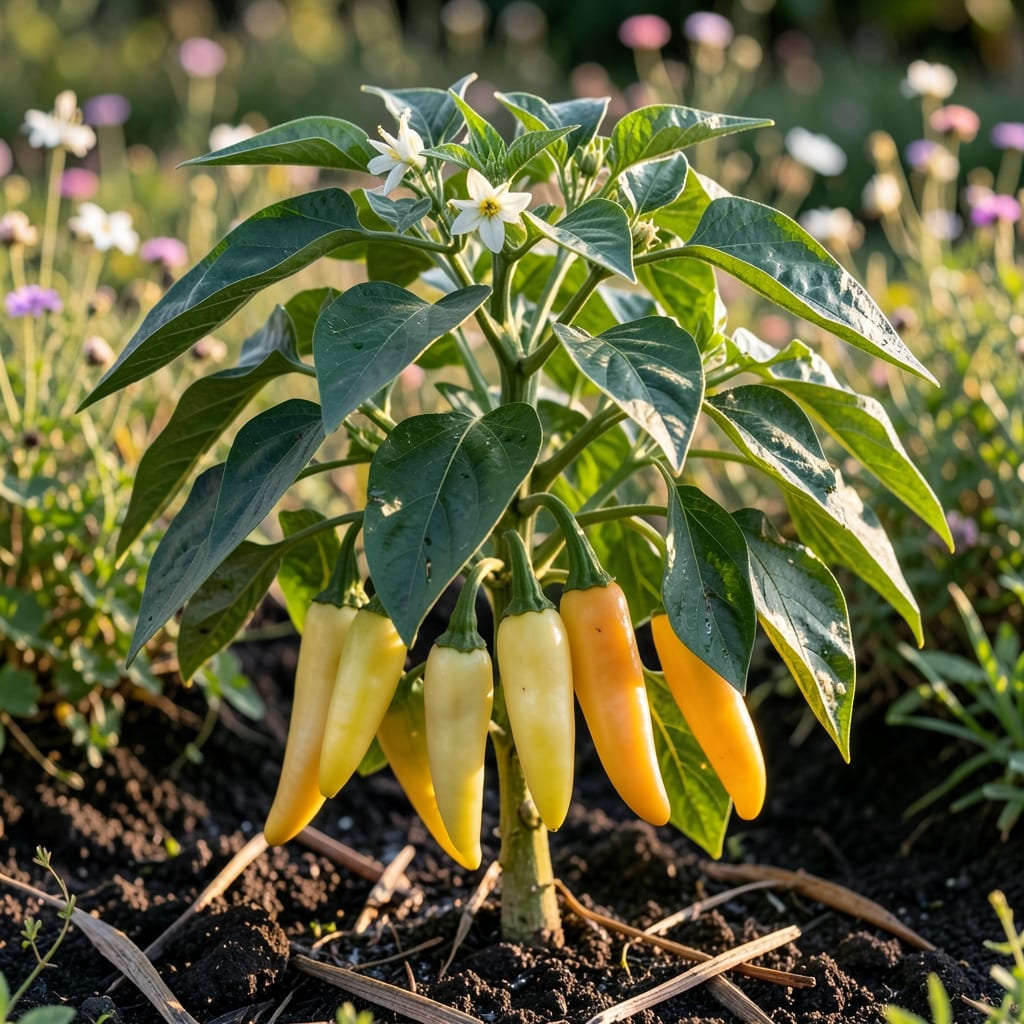
If you’ve ever wondered how tall do banana peppers grow, you’re in for a pleasant surprise—these compact little 🌶️ plants typically max out around 12–18 inches, making them perfect for small gardens, containers, or even sunny windowsills.
But here’s the kicker: with the right care, your banana peppers can stretch a bit taller while packing in more peppers. Whether you’re growing them in your backyard or on a balcony, understanding their growth habits is the key to a bountiful harvest. Let’s break down what influences their height and how to keep them thriving.
Sunlight, soil quality, and pruning all play a role in how tall your banana peppers become. Too little light? They’ll stay short and leggy. Too much water? You might stunt their growth entirely. I’ll show you exactly how to balance these factors for the best results—so you can enjoy those sweet, mild peppers all season long.
Ready to maximize your harvest? Stick around to learn when and how to prune for bigger plants, plus the 5 most common mistakes that keep banana peppers from reaching their full potential. Your garden (and your taste buds) will thank you!

Banana pepper plant height guide: compact varieties and growth factors
Banana peppers are one of the most space-efficient plants in your garden, typically reaching a mature height of just 12–18 inches. This makes them ideal for container gardening, small plots, or even indoor growing near sunny windows. But don’t let their compact size fool you—these little powerhouses produce a surprising number of peppers per plant!
The height range can vary slightly depending on the variety you choose. Some dwarf varieties stay as short as 10 inches, while standard types might stretch up to 24 inches with proper care. Understanding these differences helps you plan your garden layout and maximize your harvest.
Now, let’s talk about what influences their growth. Sunlight exposure is the #1 factor—banana peppers crave 6+ hours of direct sun daily. Without enough light, they’ll grow leggy and weak, staying shorter than their full potential. Soil quality also plays a role: well-draining, nutrient-rich soil encourages stronger root systems, which supports taller, healthier plants.
Climate matters too. In warmer USDA zones (7–10), banana peppers often grow taller and produce more peppers than in cooler zones. If you’re in a shorter growing season area, focus on early planting and season extension techniques to give them the time they need to reach maturity.
Here’s how to tell when your banana peppers are fully mature: look for deep green, sturdy stems and fully developed leaves. The plant will also start producing peppers consistently, with new ones forming at the base of the plant. This usually happens 60–90 days after transplanting, depending on your climate.
| Factor | Standard Range | Ideal Conditions |
|---|---|---|
| Mature Height | 12–18 inches | 24+ inches (with pruning) |
| Sunlight Needs | 6+ hours daily | Full sun (8+ hours) |
| Soil Type | Well-draining | Loamy, compost-rich |
| Water Needs | Moderate (1–1.5 inches/week) | Consistent moisture (avoid soggy soil) |
| Fertilizer | Balanced (10-10-10) | Every 4–6 weeks (spring–summer) |
If you’re growing banana peppers in containers, choose pots that are at least 12 inches deep to accommodate their root systems. Smaller pots can restrict growth, keeping plants shorter than their potential. For in-ground planting, space them 18–24 inches apart to allow airflow and prevent disease, which can also affect height.
One of my favorite tricks for encouraging taller growth is pruning strategically. By removing side shoots (suckers) and pinching the tips, you can redirect energy toward upward growth. I’ll cover this in more detail in the next section, but for now, just remember: pruning at the right time can add 4–6 extra inches to your plants without sacrificing pepper production.
For those in cooler climates, consider using black plastic mulch or row covers to warm the soil and extend the growing season. This gives your banana peppers more time to mature and reach their full height before cooler temperatures set in. Even a few extra weeks can make a big difference!
Finally, don’t forget that dwarf varieties exist specifically for smaller spaces. Varieties like ‘Apple Banana’ or ‘Mini Banana’ stay under 12 inches tall while still producing plenty of peppers. If space is limited, these are my top recommendations for container gardening or balcony growing.
Banana pepper plant height guide: compact varieties and growth factors
Banana peppers are one of the most space-efficient plants in your garden, typically reaching 12–18 inches at maturity. This makes them ideal for container gardening or small plots where every inch counts. However, their final height depends on several factors—including variety, sunlight exposure, and soil quality—so let’s dive into what influences their growth.
Most standard banana pepper varieties stay within that 12–18 inch range, but some dwarf varieties can even top out at 10 inches or less. If you’re growing them in full sun and well-draining soil, you’ll often see bushier plants that produce more peppers while staying compact. On the other hand, shady conditions or poor soil can stunt their growth, leaving them leggy and less productive.
Here’s a quick breakdown of what affects their height and how to optimize it for the best harvest:
| Factor | Ideal Condition | Impact on Height |
|---|---|---|
| Sunlight | 6+ hours of direct sun | Encourages full growth (12–18 inches) |
| Soil Type | Well-draining, rich in compost | Supports healthy root growth |
| Variety | Dwarf vs. standard | Dwarf: 10–12 inches; Standard: 12–18 inches |
| Watering | 1 inch per week (morning) | Overwatering stunts growth; underwatering stresses plants |
| Pruning | Pinch tips early in season | Encourages bushier growth (up to 24 inches) |
To determine if your banana peppers have reached maturity, look for fully developed leaves and peppers that are bright yellow or red. At this stage, they’ll typically stop growing taller and focus on producing more fruit. If your plants seem underdeveloped, check for nutrient deficiencies or pests, which can halt growth entirely.
One of the best ways to maximize height (and yield) is by providing consistent care. For example, adding a balanced fertilizer like 10-10-10 every 4–6 weeks can boost growth without overpowering the plant. Just avoid heavy-handed fertilizing, which can lead to leafy growth at the expense of peppers. Instead, focus on a moderate approach to keep your plants happy and productive.
If you’re growing banana peppers in containers, choose pots that are at least 12 inches deep to accommodate their root systems. Shallow pots can restrict growth, leading to shorter plants. And remember: the more space their roots have to spread, the taller and bushier they’ll grow—just as long as they’re getting enough sunlight and water.