
Trees
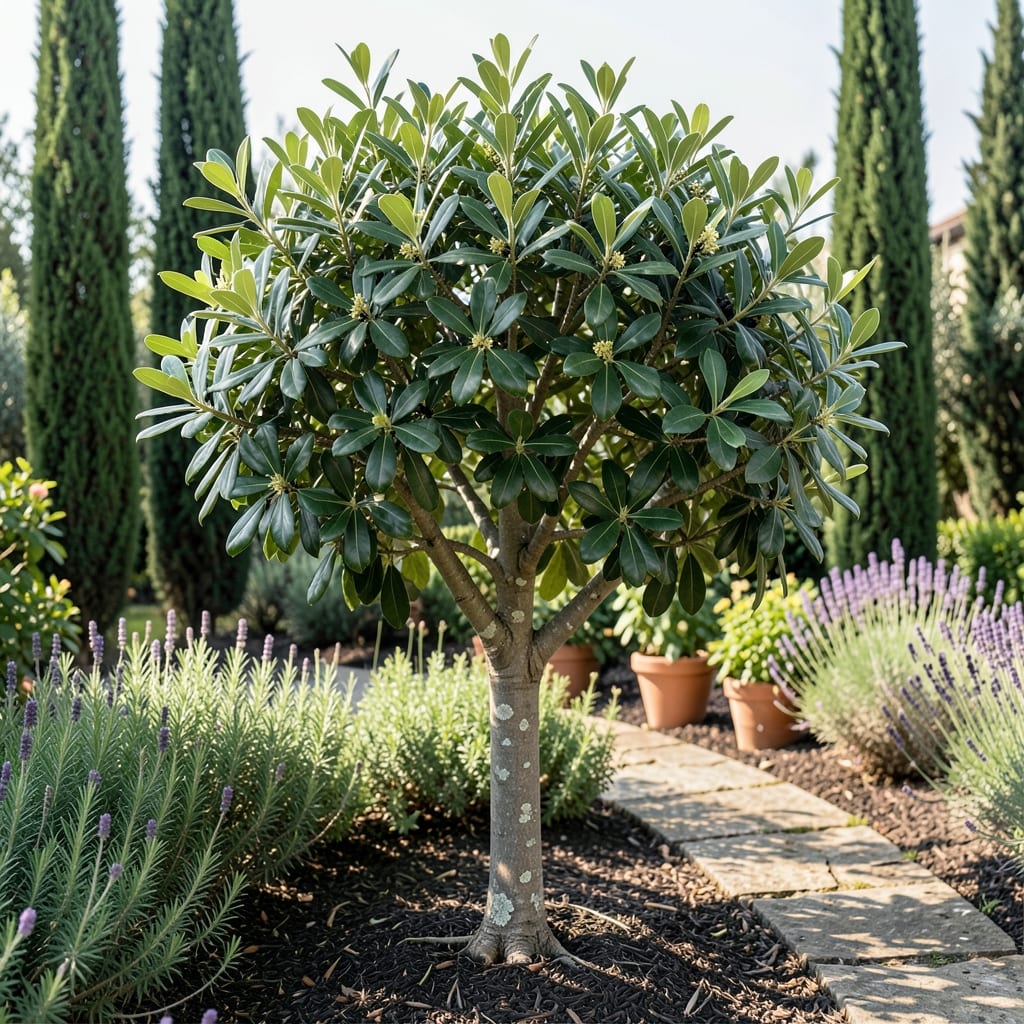
If you're wondering "how tall do bay trees grow", you're in for a surprise—these aromatic evergreens can become either a compact shrub or a towering small tree, depending on the variety. The standard Sweet Bay (🌿 Laurus nobilis) often reaches 10-50 feet tall when left unchecked, but dwarf varieties stay a manageable 8-12 feet, making them perfect for containers or small gardens.
That dramatic height difference means your choice of variety isn't just about aesthetics—it directly impacts your pruning routine, spacing needs, and even whether you can grow one in a pot. Some gardeners accidentally crowd their bay trees, leading to stunted growth or disease, while others let them sprawl uncontrollably. The good news? With the right pruning timing and techniques, you can shape your bay tree to fit your space—whether you want a 6-foot kitchen companion or a 20-foot backyard centerpiece.
Let’s break down the exact height ranges by variety, when to prune for optimal growth, and how to keep your bay tree at your desired size—no guesswork required. You’ll learn which dwarf varieties thrive in containers, how climate affects growth rates, and the best pruning times to encourage bushier, healthier foliage year-round.
Ready to transform your garden or patio with a fragrant bay tree that fits perfectly? The first step is understanding how tall it can grow—and how to control it. Let’s get started.


Bay tree height by variety: exact growth expectations for common types
If you're planning to grow a bay tree (Laurus nobilis), understanding its potential height is crucial for proper spacing and care. These evergreen trees can vary dramatically in size depending on the variety and growing conditions. Some varieties stay compact enough for containers, while others grow into towering trees that need ample yard space.
For gardeners with limited space, dwarf varieties like 'Purple Dwarf' or 'Angustifolia' are excellent choices, reaching only 8-12 feet tall. Meanwhile, standard varieties like the classic Sweet Bay can soar up to 50 feet in ideal conditions. Knowing these differences helps you choose the right type for your garden layout.
Below is a detailed comparison of popular bay tree varieties, including their mature heights and growth rates to help you visualize their potential size in your outdoor space.
| Variety | Mature Height | Growth Rate | Best For |
|---|---|---|---|
| Sweet Bay (Standard) | 20-50 ft | Moderate (1-2 ft/year) | Large gardens, privacy screens |
| Tuscan Blue | 15-25 ft | Moderate (1-1.5 ft/year) | Ornamental hedges, formal gardens |
| Purple Dwarf | 8-12 ft | Slow (6-12 in/year) | Containers, small yards, patios |
| Angustifolia | 10-15 ft | Moderate (1 ft/year) | Narrow spaces, small gardens |
| Golden Bay | 15-20 ft | Moderate (1-1.5 ft/year) | Accent plants, mixed borders |
The Sweet Bay variety is the most common and can reach impressive heights, making it ideal for large landscapes or as a natural privacy screen. Its broad, glossy leaves and aromatic foliage make it a favorite for both culinary and ornamental use. If you're growing it for cooking purposes, harvesting leaves from a taller tree is easier since they're more accessible.
For smaller spaces, the Purple Dwarf variety is a game-changer. Its compact size and striking purple-tinged leaves make it perfect for containers or as a focal point in small gardens. This variety grows slowly, so it's ideal for gardeners who want to maintain a manageable size without frequent pruning.
When planning your garden layout, consider the mature height of your chosen variety. A 20-foot tree will need significant space to avoid overcrowding nearby plants. Always measure the area where you intend to plant and leave room for the tree to spread its branches, which can be nearly as wide as its height.
If you're growing bay trees in containers, opt for dwarf varieties like 'Purple Dwarf' or 'Angustifolia'. These stay under 12 feet tall and thrive in large pots, making them perfect for balconies or patios. Just ensure the container has adequate drainage and is at least 18 inches in diameter for optimal growth.
The growth rate of bay trees also varies by variety. Standard varieties like Sweet Bay grow about 1-2 feet per year, while dwarf varieties grow much slower. This slower growth means less frequent pruning, which is great for busy gardeners who want low-maintenance plants.
One key factor influencing height is the pruning frequency. Regular pruning can encourage bushier growth and control height, especially in taller varieties. For example, pruning a Sweet Bay tree annually can keep it at a manageable 10-15 feet instead of letting it reach its full 50-foot potential.
Always research the specific variety you're interested in, as some may have unique growth habits. For instance, the Tuscan Blue variety has striking blue-green foliage and grows slightly slower than the standard Sweet Bay, making it a great choice for ornamental gardens.
Understanding these height differences ensures you choose the perfect bay tree for your space, whether you're aiming for a towering centerpiece or a compact container plant. With the right variety and care, your bay tree can thrive and provide years of fragrant beauty.
How to control bay tree height: pruning techniques for different growth goals
Pruning is the secret weapon for controlling bay tree height, whether you want a 6-foot kitchen herb or a 20-foot ornamental tree. The key is timing—prune at the wrong time, and you risk stunting growth or encouraging disease. For most bay trees, the best time to prune is late winter or early spring, just as new growth begins. This encourages healthy, bushier foliage while maintaining your desired shape.
If you're growing a standard Sweet Bay and want to keep it under 15 feet, prune annually in March to remove up to one-third of the new growth. Use clean, sharp pruners to make cuts just above a leaf node, where new branches will sprout. Avoid cutting into old wood, as bay trees resist regrowing from mature branches.
For dwarf varieties like 'Purple Dwarf', pruning is less critical but still beneficial. Light shaping in spring or summer helps maintain their compact form. Focus on removing overly long stems or leggy growth to encourage a fuller, bushier appearance. These varieties grow slowly, so minimal pruning keeps them manageable for containers or small gardens.
Step-by-Step Pruning Guide for Bay Trees
- Step 1: Prune in late winter/early spring (March) for best results.
- Step 2: Remove dead or diseased branches first to improve air circulation.
- Step 3: Cut back up to 1/3 of new growth to control height and shape.
- Step 4: Use clean pruners and make cuts just above a leaf node.
- Step 5: Avoid pruning in summer or fall, as this can stunt growth.
- Step 6: For dwarf varieties, limit pruning to light shaping.
One common mistake is pruning bay trees in summer or fall, which can stress the plant and reduce winter hardiness. Bay trees are evergreens, so they need time to harden off before cold weather. If you must prune outside the ideal window, do so in early summer and avoid heavy cuts. Always sterilize your pruners with rubbing alcohol between cuts to prevent spreading disease.
To encourage a bushier, fuller bay tree, prune the top third of the tree first. This redirects energy to lower branches, creating a more balanced shape. For example, if you're growing a Tuscan Blue as an ornamental hedge, prune the top evenly to maintain a uniform height. For culinary bay trees, focus on harvesting leaves from lower branches to keep the tree accessible and encourage new growth at eye level.
If your bay tree is already too tall, don’t panic—gradual pruning over 2-3 years can reduce its height safely. Each year, remove 1-2 feet of growth from the top, and the tree will adjust without shock. Pair this with regular watering and balanced fertilizer to support recovery. Avoid drastic cuts, as bay trees can be sensitive to over-pruning.
For container-grown bay trees, pruning is even more critical to prevent root-bound stress. Since pots limit root growth, prune roots every 2-3 years by repotting and trimming outer roots by 1/3. Pair this with top pruning to maintain compact growth. Always use a container with drainage holes and a well-draining soil mix to prevent root rot, which can stunt growth.
Remember, bay trees respond well to light pruning but can suffer if over-pruned. Start with small adjustments and observe how your tree reacts. With patience and the right techniques, you can shape your bay tree to fit your space perfectly—whether you're aiming for a kitchen-side herb garden or a backyard privacy screen.