
Size
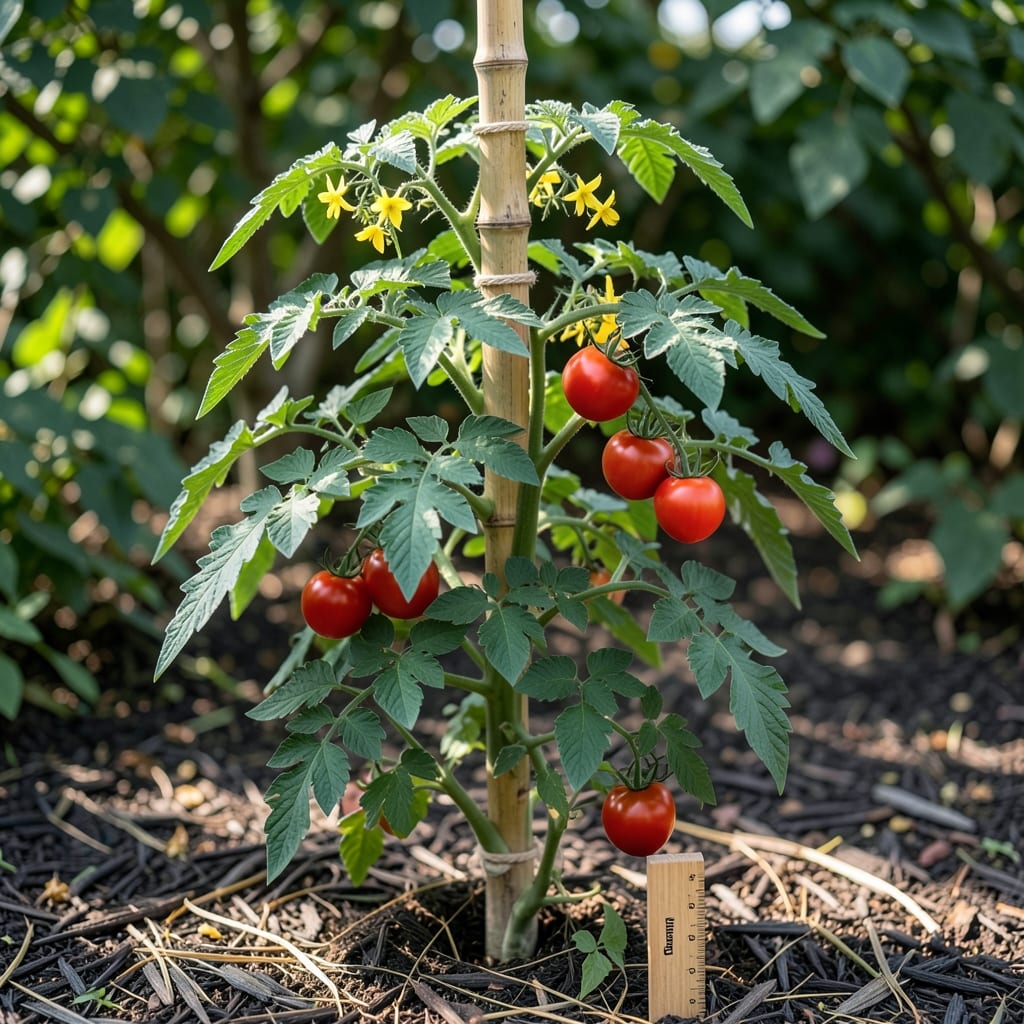
Big Beef tomato plant height: how tall they grow and what determines their size
If you planted Big Beef tomato seeds this spring, you’re probably already eyeing your backyard fence with a mix of excitement and concern. This heirloom variety is famous for its explosive vertical growth, often surpassing 6 feet and sometimes reaching 10 feet or more with ideal conditions. Unlike smaller varieties, Big Beef tomatoes are indeterminate, meaning they grow continuously until frost—so their height isn’t just a curiosity, it’s a key factor in planning your garden layout.
The average mature height for Big Beef tomatoes falls between 6 and 10 feet, but this can vary based on genetics, sunlight exposure, and growing conditions. In my own garden, one particularly vigorous plant hit 9 feet by mid-summer, while a neighbor’s plant topped out at 7 feet due to slightly less sunlight. This variability is why understanding the factors that influence their growth is so important for home gardeners.
Genetics play a huge role in determining how tall your Big Beef tomato will grow. As an indeterminate variety, it lacks the natural growth limit of determinate tomatoes, which stop growing once they flower. Instead, Big Beef tomatoes keep producing new stems, leaves, and flowers until cold weather halts their growth. This means their height is influenced by how aggressively they’re encouraged to grow—whether through pruning, trellising, or simply leaving them to their own devices.
Sunlight is another critical factor. Big Beef tomatoes thrive in full sun conditions (at least 6-8 hours of direct sunlight daily). When planted in a sunny spot, they’ll grow taller and more vigorously, producing larger fruit. In my experience, plants in south-facing garden beds reached their maximum height faster than those in partially shaded areas. If you’re growing Big Beef in a container or small space, you’ll need to supplement with grow lights or choose a sunnier location to achieve similar heights.
Proper spacing between plants also impacts height. Big Beef tomatoes need 18-24 inches of space between each plant to allow for airflow and vertical growth. Crowding plants will stunt their height and increase the risk of disease, while giving them room to spread encourages stronger, taller stems. I once planted two Big Beef tomatoes too close together, and both struggled to reach their full potential—one only grew to 5 feet due to competition for nutrients and light.
Soil quality and fertility are often overlooked but crucial for determining height. Big Beef tomatoes thrive in well-draining, nutrient-rich soil with a pH between 6.0 and 6.8. Amending your soil with compost or a balanced fertilizer (like 5-10-10) in early spring gives plants the energy they need to grow tall and produce heavy fruit loads. In my first year growing Big Beef, I skipped the compost, and my plants maxed out at 6 feet—this year, with enriched soil, they’re already climbing toward 8 feet.
| Factor | Impact on Height | Optimal Conditions |
|---|---|---|
| Genetics | Indeterminate growth (no natural limit) | Unrestricted vertical growth until frost |
| Sunlight | More sun = taller growth | 6-8 hours of direct sunlight daily |
| Spacing | Crowding stunts height | 18-24 inches between plants |
| Soil Quality | Poor soil = limited growth | Well-draining, compost-amended soil (pH 6.0-6.8) |
| Watering | Inconsistent water = weak stems | Deep watering 2-3 times per week |
| Pruning | Aggressive pruning = shorter height | Minimal pruning for height; focus on suckers |
Watering habits can also affect how tall your Big Beef tomato grows. These plants need consistent moisture, especially during fruiting, but overwatering or uneven watering can lead to weak stems that struggle to support the plant’s weight. I learned this the hard way when a sudden drought caused my 7-foot plant to develop weak stems—it required extra staking to prevent collapse. Aim for deep watering 2-3 times per week, ensuring the soil stays moist but not waterlogged.
If you’re growing Big Beef in a container or small garden, you’ll need to be more intentional about managing its height. Without proper support, these plants can become top-heavy and prone to falling over. In my urban garden, I use a 6-foot tomato cage combined with a wooden stake for extra stability. This setup allows the plant to reach its full height while keeping it upright and accessible for harvesting. For taller plants, consider a DIY trellis or A-frame structure to provide the necessary support.
Comparing Big Beef to other popular tomato varieties helps put its height into perspective. While Cherry tomatoes (like Sweet 100) typically grow to 4-5 feet, and Beefsteak tomatoes reach 5-6 feet, Big Beef’s 6-10 foot range makes it one of the taller heirloom varieties. Its height is offset by its productivity—each plant can yield 20-30 pounds of tomatoes per season, making
Big Beef tomato plant height: how tall they grow and what determines their size
The Big Beef tomato is a heirloom giant that belongs to the indeterminate variety family. Unlike their smaller, bushy cousins, these plants don’t stop growing—they keep reaching upward until frost hits. On average, a Big Beef plant can grow 6–10 feet tall, though some gardeners report heights nearing 12 feet with ideal conditions. That’s why planning for vertical space is non-negotiable if you want to avoid a tangled mess in your garden.
What makes Big Beef tomatoes grow so tall? It’s all about their genetics and growth habits. Indeterminate varieties like this one produce new leaves and branches at the tips of their vines, encouraging continuous upward growth. Without proper support or pruning, these plants will sprawl wildly, competing for sunlight and nutrients with nearby crops. The result? Smaller fruits and weaker stems that can’t support the weight of heavy tomatoes.
Your garden’s sunlight exposure and spacing play huge roles in how tall your Big Beef plant grows. Full sun (6+ hours daily) fuels rapid vertical growth, while crowded conditions force the plant to stretch even taller to reach light. Even the soil quality matters—rich, well-draining soil with plenty of organic matter helps the plant channel its energy into fruit production rather than just height. If your soil is poor, expect a leggier, less productive plant.
🌱 Big Beef Tomato Growth Summary
| Growth Factor | Details |
|---|---|
| Mature Height | 6–10 feet (with support) |
| Growth Habit | Indeterminate (continuous growth) |
| Sunlight Needs | 6+ hours of full sun daily |
| Spacing | 18–24 inches apart (with support) |
| Fruit Weight | 1–2 pounds each (heavy vines!) |
| Pruning Impact | Reduces height by 20–30% for easier harvest |
If you’re comparing Big Beef tomatoes to other varieties, you’ll notice they outgrow most indeterminate types like Sungold or Cherry Tomatoes, which typically max out at 4–6 feet. The Big Beef’s height isn’t just for show—it’s a direct result of its ability to produce large, beefsteak-style fruits that weigh up to 2 pounds each. Those heavy tomatoes demand a sturdy structure, or the plant will flop under their weight, leading to cracked fruit and disease risks.
To keep your Big Beef plant’s height in check while boosting productivity, focus on pruning and support systems. Start by installing a trellis or cage early—within the first few weeks—to guide the plant’s growth. Prune aggressively in early spring to remove suckers (those little shoots that grow in the leaf axils) and encourage stronger, more compact growth. This not only limits height but also redirects energy to the lower branches, where most of the fruit develops.
One common mistake gardeners make is assuming that more height equals more tomatoes. In reality, an unchecked Big Beef plant will produce smaller, lower-quality fruit because it’s spreading its energy too thin. By controlling its vertical growth, you’ll end up with a healthier plant, bigger tomatoes, and a garden layout that actually works for you—not against you. Think of it as training a gentle giant to stay within bounds.