
How To
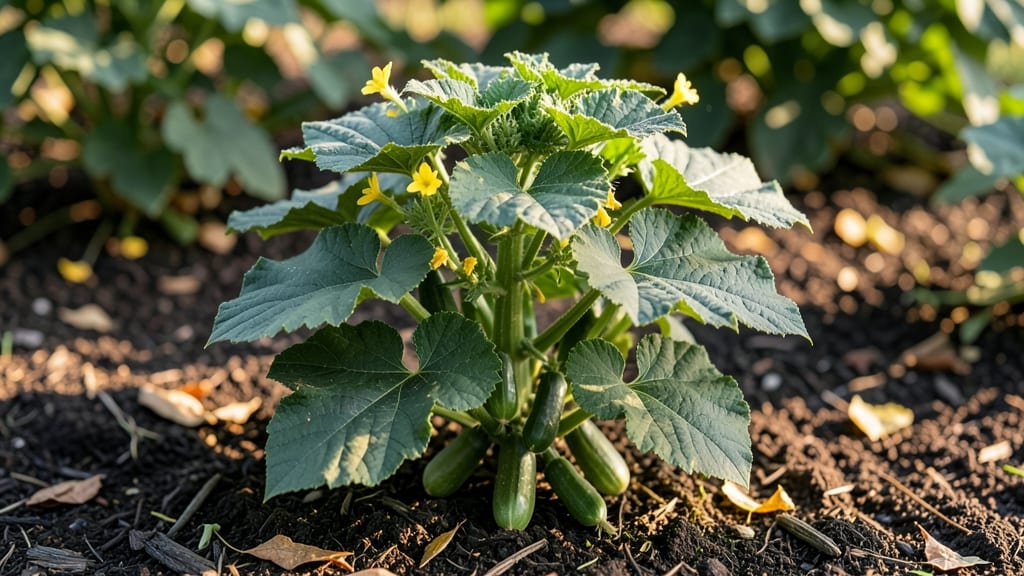
If you’ve ever wondered how tall do bush cucumbers grow, the answer might surprise you—these compact plants pack a big harvest into surprisingly little space.
Unlike their sprawling cousins that need trellises or fences, bush cucumbers (🥒) stay neatly contained, making them perfect for small gardens, containers, or even balcony planters.
Most varieties top out between 1 and 3 feet, with some dwarf types reaching just 12–18 inches. This means you can grow them in pots on your patio or tucked into garden beds without sacrificing yield.
The key? Choosing the right variety for your space and giving them proper care to encourage bushier growth.
In this guide, I’ll break down exactly what to expect from different bush cucumber types, how to maximize their compact size, and which varieties thrive in containers.
Whether you’re working with limited square footage or just love the convenience of low-maintenance plants, these tips will help you grow a bountiful harvest without the sprawl.
Ready to transform your tiny garden into a cucumber oasis? Let’s dive into the details so you can pick the perfect variety and set up your plants for success—no sprawling vines required.


Average height of bush cucumbers: what to expect in different varieties
Bush cucumbers are a game-changer for space-conscious gardeners, offering compact growth without sacrificing yield. Unlike their vining cousins that sprawl 6–10 feet, bush varieties typically stay between 1 and 3 feet tall, making them ideal for containers, small plots, and urban gardens.
But not all bush cucumbers are created equal—their mature heights vary significantly by variety, so choosing the right one depends on your space and goals.
The shortest bush cucumbers, like 'Bush Champion,' max out at just 12–18 inches, while others like 'Spacemaster' can reach 24–36 inches. Even within this range, growth habits differ: some stay bushy and rounded, while others stretch slightly taller but still maintain a contained footprint.
Understanding these differences helps you plan your garden layout and support structures effectively.
Here’s a quick breakdown of what to expect from popular bush cucumber varieties, including their typical mature heights and growth habits:
| Variety | Mature Height | Growth Habit | Best For |
|---|---|---|---|
| Bush Champion | 12–18 inches | Compact, bushy | Containers, small pots |
| Spacemaster | 24–36 inches | Semi-bushy, slightly taller | Raised beds, small gardens |
| Diva | 18–24 inches | Bushy, prolific | Balconies, patio planters |
| Sweet Success | 20–28 inches | Semi-bushy, productive | Vertical gardens, trellises |
| Salad Bush | 15–22 inches | Compact, early producer | Small-space gardens |
When selecting a variety, consider your container size or garden plot dimensions. For example, a 5-gallon pot can comfortably fit 'Bush Champion' or 'Diva,' while taller varieties like 'Spacemaster' may need 7–10 gallons to thrive.
Always check seed packets for specific spacing recommendations—this ensures your plants have room to spread their leaves and roots without competing for nutrients.
Another key factor influencing height is pruning and support. While bush cucumbers are naturally compact, providing a small trellis or cage can encourage upward growth, especially for varieties like 'Sweet Success.'
This not only saves space but also improves air circulation, reducing the risk of fungal diseases like powdery mildew. I’ve found that even the shortest varieties benefit from light support to keep fruits off the ground and away from pests.
If you’re growing bush cucumbers in containers or hanging baskets, aim for a depth of at least 12 inches to accommodate roots. Shallow pots can stunt growth, leading to smaller plants and lower yields.
Amend your potting mix with compost or worm castings to provide essential nutrients, as container-grown plants rely entirely on what you provide. I’ve had the best luck with a mix of 50% potting soil, 30% compost, and 20% perlite for drainage.
One common misconception is that bush cucumbers produce fewer fruits than vining types. In reality, many bush varieties are highly productive—they simply direct their energy into faster, shorter vines instead of sprawling.
For instance, 'Diva' can yield up to 10 cucumbers per plant in a single season, all while staying under 2 feet tall. This makes them perfect for small-space gardeners who want a steady harvest without sacrificing space for other crops.
For those in USDA Zones 4–9, bush cucumbers are a reliable choice, as they mature quickly—typically in 50–60 days. This means you can enjoy fresh cucumbers even in shorter growing seasons by starting seeds indoors 3–4 weeks before your last frost date.
I’ve successfully grown bush cucumbers in Zone 5 by using black plastic mulch to warm the soil and extending the season with a row cover in early spring.
To ensure your bush cucumbers reach their full height potential, monitor their growth weekly and adjust your care routine. Watch for signs of nutrient deficiency (yellowing leaves) or overwatering (wilting or mold), and address issues promptly.
With the right variety and care, your compact cucumber plants will reward you with abundant, space-saving harvests all season long.
Average height of bush cucumbers: what to expect in different varieties
Bush cucumbers are the dream for space-conscious gardeners, offering all the crisp, refreshing flavor of traditional cucumbers without the sprawling vines. On average, these compact varieties grow between 1 to 3 feet tall, making them perfect for containers, small gardens, or even balcony planters.
Unlike their vine-loving cousins that stretch 6-12 feet, bush cucumbers stay neatly contained, often reaching maturity in just 55-70 days—ideal for quick harvests.
Their height varies significantly by variety, with some staying as short as 12 inches while others reach nearly 3 feet. For example, the popular 'Bush Champion' typically maxes out around 18 inches, while 'Spacemaster' can grow up to 36 inches under ideal conditions.
These differences matter when planning your garden layout, especially if you're working with limited vertical space.
| Variety | Mature Height | Space Needs | Yield Potential |
|---|---|---|---|
| Bush Champion | 12–18 inches | Containers or 12" spacing | High (5–10 cucumbers/plant) |
| Spacemaster | 24–36 inches | 18–24" spacing or trellis | Very High (10–15 cucumbers/plant) |
| Diva | 18–24 inches | Containers or 12" spacing | Moderate (3–8 cucumbers/plant) |
| Sweet Success | 20–28 inches | 18" spacing or small trellis | High (6–12 cucumbers/plant) |
When choosing a variety, consider your garden’s vertical space and how you plan to support the plants. For example, 'Bush Champion' thrives in 5-gallon containers, while 'Spacemaster' benefits from a small trellis to guide its slightly taller growth.
Even in their compact forms, bush cucumbers produce heavy yields—often more per square foot than traditional vining types—because their energy isn’t wasted climbing.
One common misconception is that bush cucumbers grow slower than vining types, but this isn’t true. With proper care—consistent watering, balanced fertilizer (5-10-10), and full sun (6–8 hours daily)—they reach maturity just as quickly.
The key difference is their growth habit: instead of sprawling, they bush out, creating a dense, productive plant that’s easier to manage and harvest.
If you’re growing bush cucumbers in containers, aim for pots that are at least 12–18 inches deep to accommodate their root systems. Shallow planters can restrict growth, leading to stunted plants or reduced yields.
For in-ground planting, space them 12–24 inches apart, depending on the variety, to allow airflow and prevent disease. Proper spacing also makes harvesting easier—no more reaching into dense foliage!
For those with limited vertical space, consider training taller varieties like 'Spacemaster' on a small trellis or cage. This not only saves ground space but also improves air circulation, reducing the risk of powdery mildew—a common issue in crowded cucumber patches.
With the right variety and support, you can enjoy bountiful harvests even in the smallest of gardens.