
Plants
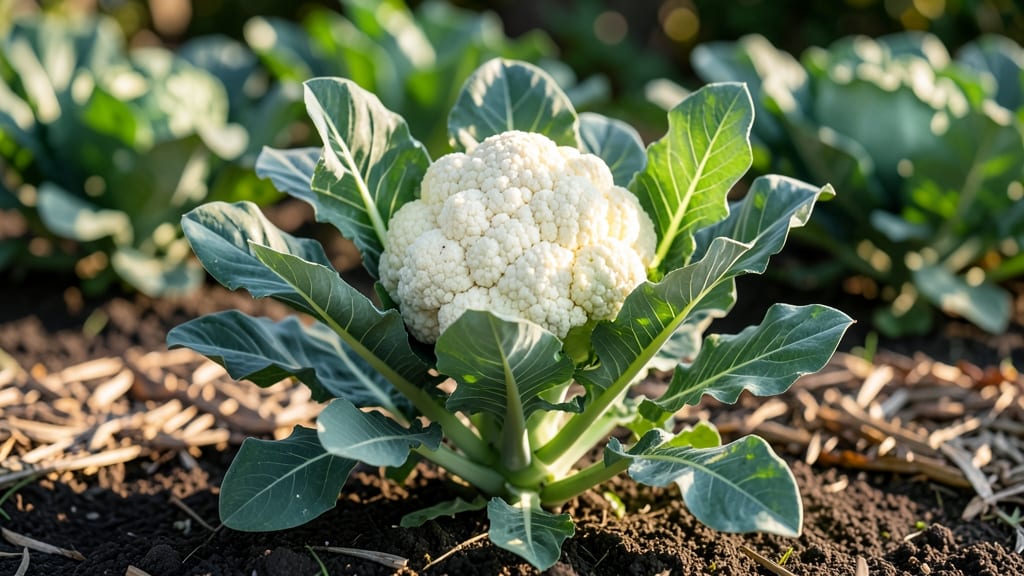
If you’ve ever wondered how tall do cauliflower plants grow, you’re not alone—this question can make or break your garden layout! 🥬 Whether you’re planning a cozy backyard plot or a small container setup, knowing the right height range ensures your plants thrive without competing for space.
Most cauliflower varieties reach between 18 and 24 inches at maturity, but dwarf types can stay as short as 12 inches, while giant varieties like Mammoth Purple can stretch over 3 feet. The key? Proper spacing and sunlight to let those sturdy stems support healthy heads.
In this guide, I’ll break down the height differences by variety, share spacing secrets to avoid overcrowding, and even cover container-growing hacks for small spaces. No more guessing—just science-backed tips to help your cauliflower patch flourish.
Ready to grow bigger, better heads? Let’s dive into the details so you can plan your garden like a pro!


Cauliflower height by variety: from dwarf to giant types
Cauliflower plants come in a surprising range of heights, from compact dwarf varieties that stay under 18 inches to towering giant types reaching 36+ inches. Understanding these differences helps you plan your garden layout and choose varieties that fit your space.
For example, Snowball Y Improved stays between 18-24 inches tall, while Mammoth Purple can stretch over 3 feet!
Most standard cauliflower varieties mature between 2-2.5 feet, making them about waist-high for average adults. This height range is ideal for in-ground gardens where you can easily access the heads for harvesting.
The growth habit also varies—some varieties grow in bushy mounds, while others develop tall, single stems with large leaves.
Here’s a quick look at how height impacts your garden planning: taller varieties need more vertical space, while dwarf types work well in containers or small plots.
For instance, Purple of Sicily tops out around 24 inches, perfect for raised beds, while Romanesco can reach 30 inches and requires wider spacing to avoid shading neighbors.
| Variety | Mature Height | Growth Habit | Best For |
|---|---|---|---|
| Snowball Y Improved | 18–24" | Bushy | Containers, small gardens |
| Purple of Sicily | 24" | Compact | Raised beds, urban gardens |
| Romanesco | 30" | Tall, single stem | In-ground gardens |
| Mammoth Purple | 36+" | Very tall | Large plots, trellises |
| Early Snowball | 18–22" | Bushy | Succession planting |
| Graffiti | 20–24" | Compact | Containers, small spaces |
If you’re growing self-blanching varieties like Purple of Sicily, their tight leaf wraps help protect the head from sun exposure, which can reduce their need for extra spacing. In contrast, open-headed varieties like Romanesco may need more room to develop properly without competing for sunlight.
Always check seed packets for specific variety notes, as some hybrids are bred for shorter stature or faster maturity.
For container growing, stick to dwarf or semi-dwarf varieties like Graffiti or Early Snowball, which thrive in 12-inch diameter pots. These compact plants won’t outgrow their containers and still produce healthy, market-sized heads.
Just ensure your pots have drainage holes and use a lightweight potting mix to prevent root stress.
In my own garden, I’ve found that taller varieties like Mammoth Purple benefit from staking or trellising if they lean too much. A simple bamboo stake or cage support keeps them upright and makes harvesting easier.
Plus, it adds a vertical element to your garden design, saving floor space for other crops.
When choosing varieties, consider your harvest timeline too. Early-maturing dwarf types like Snowball Y Improved can be harvested in as little as 60 days, while larger, later varieties may take up to 90 days.
This affects how you plan succession plantings—shorter varieties let you harvest sooner and replant the space.
Proper soil fertility also influences height. Cauliflower plants grown in nutrient-rich soil with a balanced fertilizer (5-10-10) tend to grow taller and produce larger heads. However, over-fertilizing with nitrogen can lead to excessive leafy growth at the expense of head development.
Always side-dress with compost mid-season to support steady growth without overpowering the plant.
Optimal spacing requirements to prevent competition
Proper spacing is just as critical as sunlight when growing cauliflower plants. Most varieties need 18-24 inches between plants to develop healthy heads without competing for nutrients. Giant types like Mammoth Purple may require 36+ inches to accommodate their broader root systems and taller stature.
Crowding leads to smaller heads, increased disease risk, and slower growth. The root spread of cauliflower can reach nearly as wide as the plant's height, so give roots room to establish. For example, a 2-foot-tall plant needs at least 2 feet of space in all directions.
| Variety Type | Mature Height | Optimal Spacing | Rows Spacing |
|---|---|---|---|
| Dwarf Varieties | 12-18" | 12-16" | 18-24" |
| Standard Varieties | 20-24" | 18-24" | 24-30" |
| Giant Varieties | 36"+ | 36+" | 36-42" |
For row spacing, maintain 24-36 inches between rows to allow airflow and easy access for harvesting. This spacing also helps prevent fungal diseases like downy mildew, which thrive in humid, crowded conditions.
If growing in containers, ensure each plant has at least 12-inch diameter pots to match in-ground spacing.
Overcrowding doesn't just stunt growth—it delays harvest timing by 2-3 weeks as plants compete for resources. Well-spaced plants mature faster and produce larger, firmer heads with fewer pests.
For example, Snowball Y Improved (18-24" tall) thrives with 18" spacing, while Purple of Sicily (24-30" tall) needs 24" spacing to reach its full potential.
If your garden space is limited, consider succession planting—harvesting early varieties and replanting in the same spot. This keeps your garden productive without sacrificing plant height or spacing requirements. Always prioritize airflow and sunlight access to keep your cauliflower patch healthy and high-yielding.
For container gardens, use large pots (18"+ diameter) and place them in full sun. Group containers in a way that mimics in-ground spacing—24" apart—to prevent competition. Mulch around the base to retain moisture and reduce stress on roots during hot days.