
How To
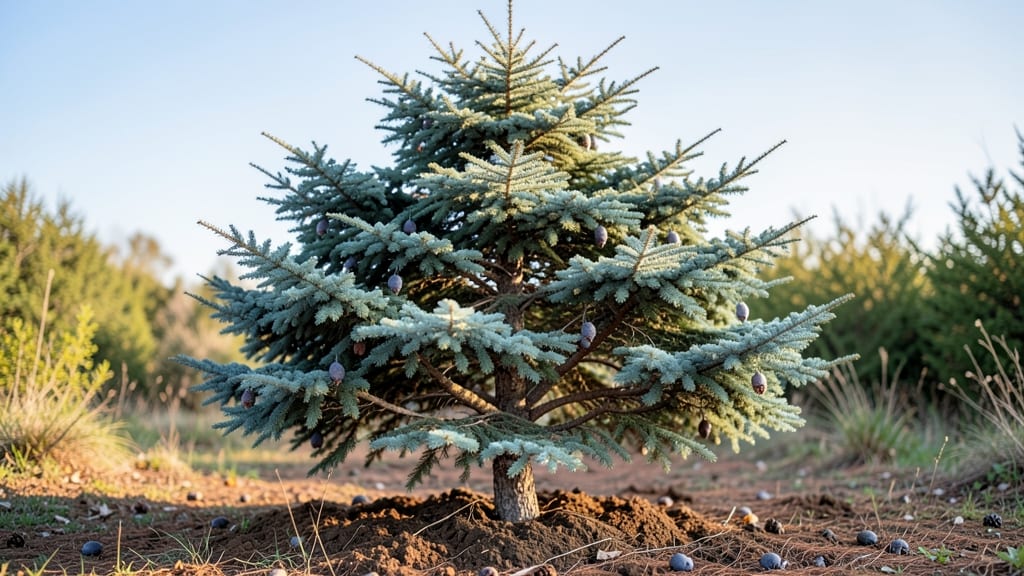
If you're wondering how tall do cedars grow, you're about to discover a world where towering giants and compact beauties both thrive—each with its own unique place in your landscape.
These aromatic evergreens can stretch from modest 10-foot shrubs to soaring 100-foot sentinels, depending on the species and growing conditions.
The key to choosing the right cedar starts with understanding their growth habits. Whether you're envisioning a privacy screen or a statement tree, knowing whether your cedar will reach 30 feet or stay under 15 feet makes all the difference in planning your outdoor space.
From the fast-growing Eastern Red Cedar to the slow-and-steady Atlas Cedar, each variety brings something special to your yard. I'll break down exactly what to expect from these trees, so you can pick the perfect fit for your vision—whether that's a backyard giant or a cozy corner accent.
Ready to make your cedar dreams a reality? Let's dive into the heights, growth rates, and spacing tips that will help you plant with confidence—no surprises included.


Cedar tree height by species: from dwarf to towering giants
If you're planning to add cedars to your landscape, knowing their mature height is crucial for spacing and long-term design. Cedar trees vary dramatically in size—from dwarf varieties under 15 feet to giant species towering over 100 feet.
The species you choose will determine whether your cedar becomes a backyard focal point or a privacy screen that stretches toward the sky.
Most home gardeners grow Eastern Red Cedar or Atlas Cedar, but each species has unique growth habits. For example, the Eastern Red Cedar typically reaches 30-40 feet at maturity, while the Deodar Cedar can soar to 100+ feet in ideal conditions.
Understanding these differences helps you pick the perfect cedar for your space and climate.
Here’s a quick comparison of the most popular cedar species and their mature heights:
| Species | Mature Height | Spread | Growth Rate |
|---|---|---|---|
| Eastern Red Cedar | 30-40 ft | 15-25 ft | Moderate (1-2 ft/year) |
| Atlas Cedar | 40-60 ft | 20-30 ft | Slow (6-12 in/year) |
| Deodar Cedar | 100+ ft | 30-50 ft | Slow (6-12 in/year) |
| Western Red Cedar | 50-70 ft | 20-40 ft | Moderate (1-2 ft/year) |
| Blue Atlas Cedar | 40-50 ft | 15-25 ft | Slow (6-12 in/year) |
When selecting a cedar, consider not just height but also spread. A Western Red Cedar, for example, can spread 20-40 feet, making it ideal for large properties but unsuitable for small yards. Always check the mature spread to avoid overcrowding other plants or structures.
For urban or suburban gardens, dwarf varieties like the 'Emerald Sentinel' Cedar (10-15 feet tall) or 'Blue Swamp' Cedar (8-12 feet tall) are excellent choices. These compact options provide the evergreen beauty of cedars without overwhelming your space.
If you’re planting near a house or fence, leave at least 10-15 feet of clearance for standard cedars to prevent overgrowth and root interference. Always check local building codes for setback requirements before planting.
Soil quality and climate also influence height. Cedars thrive in well-draining, slightly acidic soil (pH 5.0-7.0) and full sun. In poor soil or shade, growth slows significantly, and the tree may stay shorter than expected. Amending soil with compost or organic matter can boost growth rates.
Pruning young cedars can help control height and shape. Focus on removing suckers at the base and overcrowded branches to encourage a strong, upright form. Just avoid heavy pruning, as cedars respond poorly to aggressive trimming.
For a quick height estimate, multiply the tree’s age by its average annual growth rate. For example, a 10-year-old Eastern Red Cedar growing at 1 foot per year would likely reach 10 feet tall. Adjust for slower growth in cooler climates or shadier locations.
🌲
How fast do cedars grow? Height growth rates explained
If you're planning to plant cedars, knowing how quickly they grow helps you estimate when your landscape will transform. Most cedars grow at a moderate pace, with some species shooting up faster than others.
For example, the Eastern Red Cedar can add 1-2 feet per year, while the Atlas Cedar grows more slowly, gaining only 6-12 inches annually. Understanding these rates ensures you choose a cedar that fits your timeline and space.
Growth speed depends on several factors, including soil quality, climate, and water availability. Cedar trees planted in well-draining, nutrient-rich soil with full sun exposure will grow faster than those in poor conditions.
For instance, a Western Red Cedar in ideal conditions might reach 30 feet in 20-30 years, while one in a shaded or nutrient-poor spot could take decades longer.
Here’s how cedars typically grow over time, broken down by species and conditions:
| Species | Annual Growth Rate | Mature Height | Time to Mature |
|---|---|---|---|
| Eastern Red Cedar | 1-2 ft/year | 30-40 ft | 20-30 years |
| Western Red Cedar | 6-12 in/year | 40-60 ft | 30-40 years |
| Atlas Cedar | 6-12 in/year | 40-60 ft | 30-50 years |
| Deodar Cedar | 1-2 ft/year (young) | 100+ ft | 50+ years |
To encourage faster growth, focus on proper pruning and regular watering during the first few years. Prune in late winter or early spring to shape your cedar and remove dead branches.
Avoid over-pruning, as this can stunt growth. Additionally, mulching around the base of the tree helps retain moisture and nutrients, giving your cedar the best chance to thrive.
If you're wondering how tall your cedar will be in 10 years, multiply its annual growth rate by 10. For example, an Eastern Red Cedar growing at 1.5 feet per year will likely reach 15 feet in a decade.
This simple calculation helps you plan for future landscaping needs and ensures your cedar fits your vision.
Remember, cedars are long-lived trees, and their growth slows as they mature. With patience and the right care, your cedar will become a stunning focal point in your yard for decades to come. 🌲