
How To
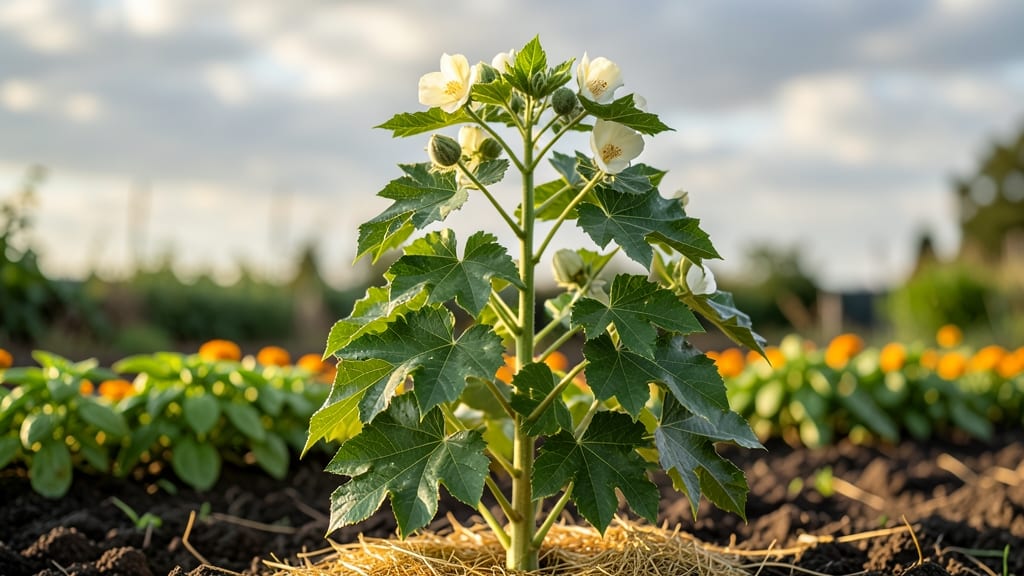
If you're wondering how tall do cotton plants grow, you might be surprised to learn they can reach heights of 4 to 6 feet—taller than most gardeners!
While that might sound intimidating, the good news is that with the right variety and care, you can grow cotton even in small spaces.
Cotton plants, like the ones you see in fields, typically grow tall and sturdy, but not all varieties demand the same space. Some compact types stay between 3 and 4 feet, making them perfect for containers or tight garden beds.
Knowing the difference can mean the success or failure of your cotton patch.
In this guide, I’ll break down the height ranges of common cotton varieties, share tips for managing their growth, and even suggest space-saving options. Whether you’re a backyard gardener or a small-scale farmer, you’ll learn how to grow cotton without sacrificing your yard—or your sanity.
Ready to turn your garden into a cotton haven? Let’s dive into the details and find the perfect fit for your space.


Average cotton plant height by variety: from tall to compact
Cotton plants (Gossypium spp.) are known for their impressive height, but the exact size depends heavily on the variety you choose.
Most commercial cotton varieties—like upland cotton—can reach heights of 4 to 6 feet, while specialty types such as Pima cotton may even exceed 6 feet in ideal conditions. If you're working with limited space, understanding these differences is key to planning your garden layout effectively.
Climate plays a surprising role in cotton plant height. In warmer regions with longer growing seasons, cotton plants tend to grow taller due to extended vegetative growth. Conversely, cooler climates or shorter seasons may stunt their height, often resulting in more compact plants.
For example, upland cotton in USDA Zone 7 or higher can easily hit 5 to 6 feet, while the same variety in Zone 6 might max out at 3 to 4 feet.
Here’s where variety selection becomes critical. While standard cotton plants are tall, some dwarf or bush varieties are specifically bred to stay shorter—often between 1.5 to 3 feet—making them perfect for small gardens, containers, or urban spaces.
These compact varieties sacrifice some yield but offer the flexibility to grow cotton almost anywhere.
🌱
| Variety | Mature Height | Growth Habit | Best For |
|---|---|---|---|
| Upland Cotton | 4–6 ft | Tall, upright | Large gardens, commercial use |
| Pima Cotton | 6–8 ft | Very tall, sturdy | Warm climates, high-quality fiber |
| Dwarf Upland Cotton | 1.5–3 ft | Bushy, compact | Containers, small gardens |
| Sea Island Cotton | 5–7 ft | Tall, delicate | Specialty fiber, warm coastal areas |
If you're growing cotton in containers or raised beds, prioritize dwarf or bush varieties to avoid overcrowding. These compact plants also require less staking and support, making them ideal for beginners or gardeners with limited mobility.
For example, a Dwarf Upland Cotton variety can thrive in a 5-gallon container with proper care, while a standard upland cotton would quickly outgrow even the largest pots.
Another factor to consider is the planting density. Taller cotton varieties like Pima cotton need 3 to 4 feet of space between plants to avoid competition for sunlight and nutrients.
In contrast, dwarf varieties can be spaced 1 to 2 feet apart, allowing you to fit more plants in a small area. This spacing strategy is especially useful if you're aiming to maximize yield in a limited footprint.
For those in cooler climates, consider that cotton plants may not reach their full height potential. In these areas, focus on earlier-maturing varieties that complete their growth cycle before the first frost.
Varieties like Stoneville 213 or Deltapine 16 are known for their adaptability and can still produce a decent yield even if they don’t hit the typical 6-foot mark.
🌿
One common misconception is that taller cotton plants always produce more fiber. While height can contribute to yield, the number of bolls per plant and their size often matter more.
Compact varieties may have slightly smaller bolls but can still provide enough cotton for small-scale projects like stuffing pillows or making yarn. The key is balancing height with your specific goals—whether that’s maximizing fiber production or fitting plants into tight spaces.
To further manage height, consider trellising or pruning techniques, which we’ll explore in the next section. These methods can help redirect the plant’s energy toward bushier growth rather than vertical expansion, making them ideal for small gardens or urban settings where space is at a premium.
☀️
Average cotton plant height by variety: from tall to compact
Cotton plants come in a surprising range of heights, from towering giants to compact varieties perfect for small gardens. The most common types, like upland cotton, typically reach 4 to 5 feet at maturity, while Pima cotton can stretch up to 6 feet or more.
These taller varieties thrive in warm climates but may overwhelm backyard spaces unless managed carefully.
For gardeners with limited space, dwarf or semi-dwarf varieties are a game-changer. These specialized types stay between 1.5 and 3 feet, making them ideal for containers or raised beds.
The key difference lies in their genetic makeup—some varieties are bred specifically to stay shorter while still producing fluffy cotton bolls.
Climate plays a huge role in height too. In hot, humid regions, cotton plants may grow 1-2 feet taller than their counterparts in cooler areas. This is because warmth accelerates growth, leading to faster vertical expansion.
If you're in a cooler zone, expect slightly shorter plants unless you provide extra heat or extend the growing season.
🌱
| Variety | Height Range | Growth Habit | Best For |
|---|---|---|---|
| Upland Cotton | 4-5 ft | Tall, bushy | Large gardens, fields |
| Pima Cotton | 5-6+ ft | Very tall, slender | Commercial farms, warm climates |
| Dwarf Upland Cotton | 1.5-3 ft | Compact, bushy | Containers, small gardens |
| Sea Island Cotton | 3-4 ft | Medium, spreading | Balconies, raised beds |
When choosing a variety, consider not just height but also your garden layout and climate zone. For example, upland cotton is hardy and widely adaptable, while Pima cotton requires longer, warmer growing seasons.
If you're in a cooler area, stick to dwarf varieties—they’re more forgiving and still produce plenty of cotton for small-scale projects like quilting or stuffing.
Even with tall varieties, you can control their height using pruning techniques or trellising. Training vines upward not only saves space but also improves airflow, reducing the risk of fungal diseases that thrive in dense foliage.
I’ll cover these methods in detail in the next section, so stay tuned for practical tips to keep your cotton patch tidy and productive.
🪴