
How To
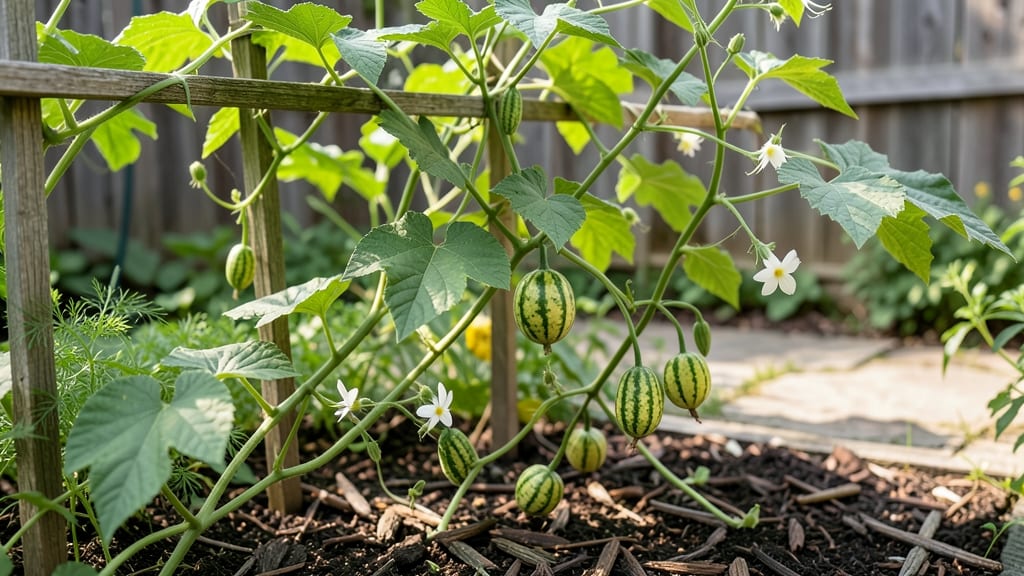
If you're wondering how tall do cucamelons grow, you'll love this tiny but mighty plant that packs a big harvest into a small footprint.
These little 🍉 wonders typically reach just 1 to 3 feet tall, making them perfect for balconies, containers, or even small garden plots in USDA Zone 6a and warmer regions.
What makes cucamelons so special is their ability to thrive without taking over your space. Unlike sprawling cucumbers, these vines stay compact, producing bite-sized fruits that taste like a mix of cucumber and lime.
Whether you're a beginner gardener or a space-challenged urban grower, their manageable size opens up a world of possibilities for fresh, homegrown produce.
In this guide, I'll show you exactly how to maximize their growth potential while keeping them contained. From choosing the right trellis to understanding when to prune, you'll discover simple strategies to ensure your cucamelons stay healthy and productive—no matter how limited your space might be.
Ready to grow your own? Let's dive into the secrets of cultivating these easy-to-grow vines and turning your small space into a mini harvest haven. Your first crop could be ready as early as July if you plant in April or May after the last frost!


Cucamelon vine growth: how tall they get and space-saving tips
When I first discovered cucamelons, I was amazed by how these tiny fruits pack such a big flavor—without the need for sprawling vines like their cucumber cousins.
On average, cucamelon vines grow between 3 to 6 feet tall, making them perfect for small gardens, balconies, or even container growing. Unlike cucumbers, they don’t spread uncontrollably, so you can easily manage their growth with minimal effort.
The key to keeping them compact lies in their vine structure. Cucamelons naturally climb or trail, but with proper support, you can guide their growth vertically. This not only saves space but also improves air circulation, reducing the risk of diseases like powdery mildew.
I’ve found that a simple trellis or small cage can transform a chaotic vine into a neat, harvest-ready plant.
If you’re working with limited space, consider pruning techniques to encourage bushier growth. Pinching off the tips of the vines when they reach about 12 inches tall can promote lateral branching, resulting in more fruit-bearing stems.
This method works especially well for container gardening, where space is at a premium.
Here’s a quick breakdown of what to expect from your cucamelon vines at different stages of growth:
| Growth Stage | Vine Height | Space Needs | Support Needed |
|---|---|---|---|
| Seedling | 0–6 inches | Minimal (container or small pot) | None |
| Early Vine | 1–3 feet | Moderate (trellis or stake) | Small trellis or cage |
| Mature Plant | 3–6 feet | Compact (vertical support) | Trellis or tall cage |
| Fruiting Stage | 3–5 feet (with pruning) | Efficient (vertical space) | Pruned and supported |
For container gardening, choose pots that are at least 12 inches deep and wide to accommodate the roots and support structure. I’ve had great success growing cucamelons in 5-gallon buckets with a small trellis attached to the side. This setup keeps the plant contained while maximizing vertical growth.
Another tip I’ve learned is to rotate your containers occasionally to ensure even sunlight exposure. Cucamelons thrive in full sun (6+ hours daily), but uneven light can cause lopsided growth or reduced fruit production. A simple turn every few days keeps your plant balanced and healthy.
If you’re growing cucamelons in a ground garden, space plants about 18–24 inches apart to allow for air circulation and easy access for harvesting. In tighter spaces, you can reduce this to 12 inches apart if you’re using a trellis to guide the vines upward.
One of the biggest mistakes I see is underestimating the need for support. Without a trellis or cage, cucamelon vines can sprawl, leading to tangled growth and difficulty harvesting.
Investing in a simple A-frame trellis or tomato cage makes a world of difference in keeping your plants tidy and productive.
Finally, remember that pruning isn’t just about size control—it’s also about encouraging fruit production. By removing excess foliage and focusing energy on the main stems, you’ll end up with more cucamelons and fewer leaves competing for nutrients. It’s a small effort that pays off in a big harvest!
Cucamelon vine growth: how tall they get and space-saving tips
Cucamelons, also known as Mexican sour gherkins, are compact vining plants that typically reach 3 to 6 feet tall when grown outdoors. Unlike sprawling cucumbers, their vines grow vertically, making them ideal for small gardens, balconies, or containers.
With the right support, you can train them to stay even shorter, perfect for limited spaces or urban gardening. Understanding their growth habits helps maximize yield without sacrificing space.
The average mature height of a cucamelon vine is 3 to 5 feet, but some varieties or pruned plants stay as short as 1 to 2 feet. Their trailing vines naturally climb trellises, fences, or cages, which keeps the plant off the ground and improves air circulation.
This reduces disease risk and makes harvesting easier. For container gardening, choose dwarf varieties or prune aggressively to keep vines under 3 feet for manageable care.
| Growth Stage | Height Range | Space Needs | Care Tip |
|---|---|---|---|
| Seedling | 0.5–1 ft | 5-gallon pot or small bed | Use a trellis early to guide growth |
| Vegetative | 3–5 ft (outdoor) | Vertical support (trellis/cage) | Prune to control height in containers |
| Fruiting | 1–3 ft (with pruning) | 10–15 sq ft per plant | Harvest frequently to encourage more fruit |
To control vine height, start training vines onto a trellis or cage as soon as they sprout. Use soft ties or twine to gently guide the vines upward, avoiding damage to stems.
For containers, opt for 5-gallon pots with vertical supports—this keeps vines under 3 feet while still producing abundant fruit. Regular pruning (removing excess side shoots) also encourages bushier growth and prevents vines from becoming too leggy.
Sunlight and spacing play critical roles in vine height. Cucamelons need 6+ hours of full sun daily to thrive, but overcrowding leads to taller, weaker vines. Space plants 12–18 inches apart in gardens or use individual containers to avoid competition. In small spaces, a single plant in a 5-gallon pot with a trellis can produce dozens of fruits without sprawling. Just ensure the container has drainage holes to prevent root rot.
If you’re growing cucamelons in cooler climates (USDA Zones 6–9), their vines may grow slower and shorter due to less sunlight. Extend the growing season with row covers or greenhouses to encourage healthier, more compact growth.
In warmer zones, vines may grow faster and taller, so prune regularly to maintain manageable height. Always harvest fruits promptly—overripe cucamelons signal the plant to slow production, which can lead to uncontrolled vine growth.
For maximum yield in small spaces, combine trellising with pruning. Remove suckers (side shoots) that form in the leaf axils to redirect energy to fruit production rather than vine length. A well-pruned cucamelon vine can stay under 2 feet tall while still producing plenty of harvests.
Pair this with consistent watering (1 inch per week) and balanced fertilizer (5-10-10 NPK) to keep vines strong and productive. With these tips, even a balcony or windowsill can become a thriving cucamelon garden! 🌱