
How To
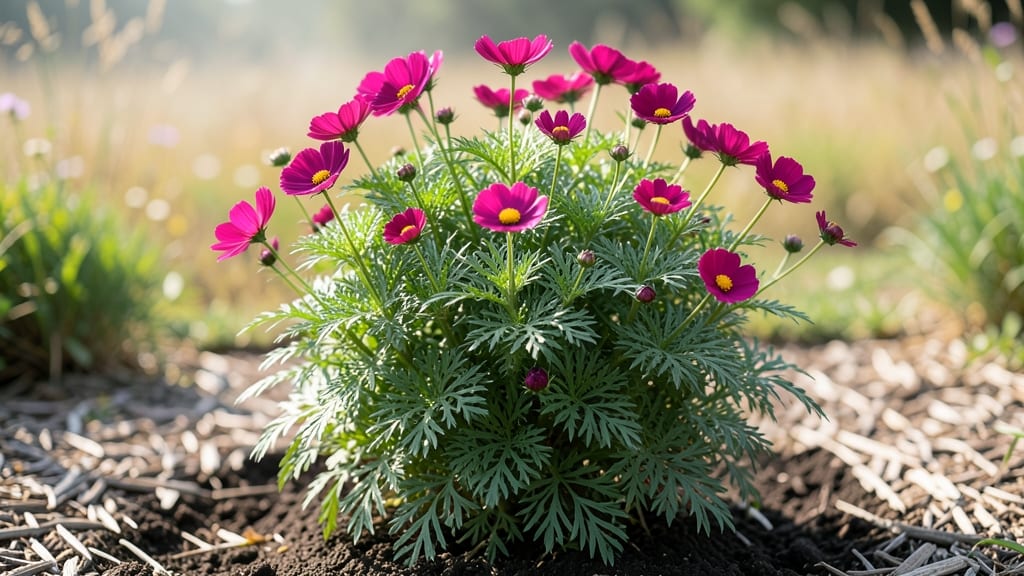
If you're dreaming of adding cheerful 🌼 Dwarf Cosmos to your garden but wondering how tall these dwarf cosmos grow, you're in the right place. These compact beauties typically reach just 12–18 inches at maturity, making them perfect for small gardens, containers, or even window boxes.
What makes dwarf cosmos so special isn't just their height—it's how they pack vibrant blooms into that limited space. Whether you're working with a sunny windowsill or a tiny backyard plot, their manageable size means you can enjoy their bright colors without sacrificing other plants.
The key to keeping them compact? A little pruning and proper spacing.
In this guide, I'll break down exactly how tall these varieties grow, when to trim for bushier growth, and how to maximize their blooms in even the smallest spaces. You'll learn the secrets to keeping your Dwarf Cosmos looking their best all season long.
Ready to transform your garden into a sea of cheerful blooms without the space constraints? Let's dive into the details so you can plan your planting with confidence.


Dwarf cosmos height guide: varieties, growth habits, and space requirements
Dwarf cosmos varieties are my go-to for small gardens and containers, offering the same vibrant blooms as their taller cousins but in a much more manageable 12–18 inches of height.
Unlike standard cosmos that can reach 3–5 feet, these compact beauties stay well below knee level, making them perfect for borders, window boxes, or even patio pots.
Understanding their growth habits is key to planning your garden layout. Dwarf cosmos typically grow in a mounded shape, spreading 12–24 inches wide at maturity.
This means they need about 12–18 inches of space between plants to prevent overcrowding and ensure each plant gets enough air circulation for healthy blooms.
Here’s where things get interesting: while their height is predictable, their growth rate can vary based on sunlight, soil quality, and watering habits. In ideal conditions—full sun (6+ hours daily) and well-draining soil—dwarf cosmos can grow 1–2 inches per week during their peak season (May–July).
If you’re comparing them to standard cosmos, dwarf varieties mature about 2–3 weeks faster because they focus energy on bushier growth rather than vertical height. This makes them ideal for seasonal color in small spaces or as fillers in cutting gardens.
Now, let’s dive into the specifics with a quick reference table for popular dwarf cosmos varieties, including their mature heights, spread, and ideal spacing:
When planning your garden, remember that dwarf cosmos thrive in well-draining soil with a pH of 6.0–7.5. Amending heavy clay soil with compost or sand can prevent root rot, which can stunt their growth.
If you’re growing them in containers, choose pots that are at least 12 inches deep to accommodate their root system.
One of my favorite tricks for keeping dwarf cosmos compact is to pinch back the tips of young plants when they reach about 6 inches tall. This encourages the plant to branch out, producing more blooms and a fuller, bushier appearance.
It’s a simple step that can double your flower production without adding height.
For those with limited vertical space, dwarf cosmos are a game-changer. Their low-growing habit allows you to layer them with taller plants like salvias or snapdragons without worrying about them being overshadowed. Plus, their self-cleaning blooms (they drop old flowers naturally) mean less maintenance for you.
If you’re still unsure about spacing, a good rule of thumb is to plant dwarf cosmos 3 times their mature width apart. For example, a variety with a 12-inch spread should be planted 12 inches apart, while one with a 20-inch spread needs 18–24 inches of space.
This ensures each plant has room to grow without competing for nutrients.
Finally, don’t forget that dwarf cosmos are annuals in most climates, so they’ll complete their life cycle in one season. However, they self-seed aggressively, often returning year after year if you let them. This makes them a low-maintenance perennial in your garden once established.
Dwarf cosmos height guide: varieties, growth habits, and space requirements
If you're planning your garden layout, knowing how tall dwarf cosmos grow is essential for creating a balanced, colorful display. These compact varieties typically mature between 12–18 inches tall, but their spread can reach 12–24 inches wide, so spacing matters just as much as height.
Their upright, airy growth habit makes them perfect for borders, containers, or even as cut flowers.
The key to their manageable size lies in their fast growth rate—they can shoot up 1–2 inches per week in ideal conditions. This means you'll see noticeable blooms in just 6–8 weeks from seed, making them a quick reward for gardeners.
However, without proper care, they can flop over or become leggy, especially in crowded conditions.
Here’s a quick comparison of popular dwarf cosmos varieties and their typical mature sizes to help you choose the best fit for your space:
| Variety | Mature Height | Spread | Best For |
|---|---|---|---|
| 'Bright Lights' | 12–15 inches | 12–18 inches | Containers, window boxes |
| 'Purity' | 14–18 inches | 16–20 inches | Borders, mass planting |
| 'Double Click' | 15–18 inches | 14–18 inches | Cut flowers, small gardens |
When planting, space dwarf cosmos 8–12 inches apart to give them room to spread without competing for sunlight. In containers, aim for 1–2 plants per 6-inch pot to prevent overcrowding. Their compact size also makes them ideal for interplanting with vegetables or mixing into pollinator-friendly gardens.
To encourage bushier growth and prevent flopping, provide sturdy support like small stakes or a lightweight trellis, especially in windy areas. Their lightweight stems can bend under heavy blooms, so a little extra support goes a long way in keeping them upright and showy.
One of the biggest mistakes gardeners make is underestimating their spread. While their height is manageable, their wide growth habit can quickly fill a small space. Plan accordingly, and you’ll enjoy a sea of vibrant blooms without sacrificing other plants in your garden.