
Trees
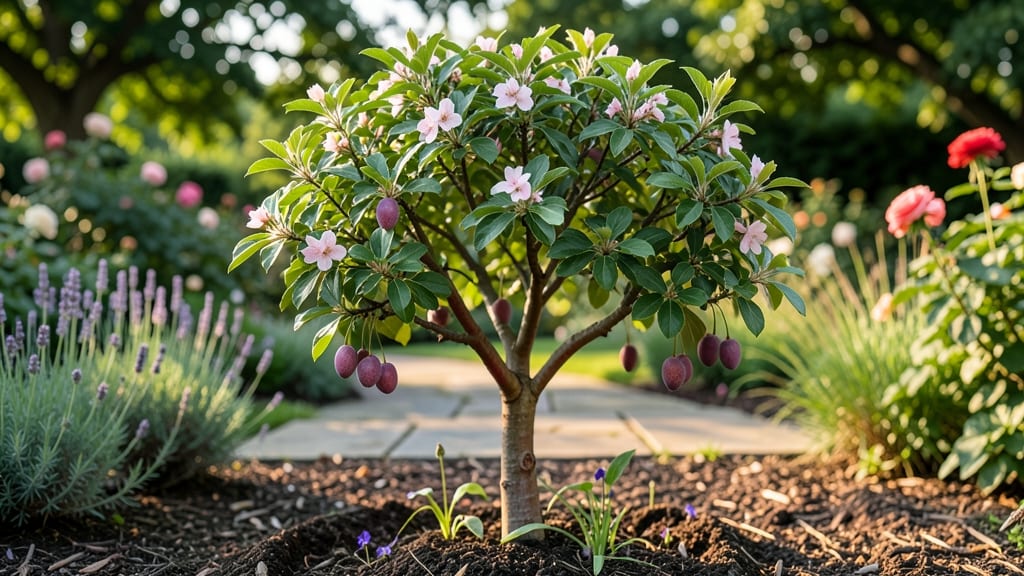
If you've ever wondered "how tall do dwarf plum trees grow", you're not alone—many gardeners hesitate to plant them for fear of losing control over their space.
The good news? These 🍑 compact varieties typically stay between 6 to 12 feet tall, making them perfect for small yards, containers, or even urban balconies.
But here’s the catch: not all dwarf plum trees are created equal. Some varieties, like the popular 'Santa Rosa', max out around 8 feet, while others, such as 'Methley', can stretch closer to 12 feet if left unchecked.
The right choice depends on your space and goals—whether you want a tidy patio tree or a fruit-bearing centerpiece.
In this guide, I’ll break down the height ranges by variety, share pruning secrets to keep your tree in check, and reveal which dwarf plums thrive in containers.
Whether you're a first-time gardener or a seasoned grower, you’ll leave knowing exactly which 🍑 size fits your space—and how to nurture it for years of sweet harvests.
Ready to transform your garden without sacrificing fruit? Let’s dive into the details so you can plant with confidence.


Dwarf plum tree height chart: varieties and mature sizes
Dwarf plum trees are a game-changer for gardeners with limited space, offering the same sweet rewards as their full-sized counterparts but in a much smaller package.
While standard plum trees can tower over 20 feet, dwarf varieties typically mature between 6 and 12 feet, making them perfect for small yards, patios, or even large containers.
The exact height depends on the variety, pruning habits, and growing conditions, so let’s break down what to expect from the most popular dwarf plum tree varieties.
Choosing the right variety isn’t just about height—it’s also about fruit production, disease resistance, and growth habits. For example, the Santa Rosa plum is a classic dwarf variety that stays around 8–10 feet tall but produces abundant red plums perfect for jams or fresh eating.
Meanwhile, the Methley plum is a compact option under 6 feet, ideal for containers or urban gardens. Understanding these differences helps you pick the perfect tree for your space and goals.
Below is a detailed height comparison chart for 12 of the most popular dwarf plum tree varieties, including their mature heights, spreads, and key characteristics. This will help you visualize which tree fits best in your garden layout.
When planning your garden, remember that dwarf plum trees still need space for their spread, which can be just as wide as their height. For example, a Santa Rosa with an 8-foot spread will need at least <
How to control dwarf plum tree height naturally (pruning, pollination, and care)
Dwarf plum trees stay compact, but their growth still needs guidance to maintain that 6–12-foot height range. The key is pruning, but it’s not just about cutting branches—it’s about encouraging strong, fruit-bearing structure while keeping the tree manageable.
I’ve learned that timing and technique make all the difference in controlling height without sacrificing yield.
Start by pruning in late winter or early spring, just before buds swell but before new growth begins. This removes dead or crossing branches and opens the canopy for better sunlight penetration.
For height control, focus on removing suckers (shoots growing from the base) and water sprouts (vertical shoots from the trunk or branches). These can quickly turn a dwarf tree into a wild one if left unchecked.
🌱 Pro Tip: Use sharp, clean pruners and make cuts at a 45-degree angle just above a bud or branch collar. Avoid leaving stubs, as they invite disease and slow healing.
Step-by-Step Pruning Guide for Height Control
- Step 1: Remove dead or diseased branches first—these can harbor pests and diseases.
- Step 2: Thin out crossing or rubbing branches to improve airflow and sunlight exposure.
- Step 3: Cut back last year’s growth by one-third to encourage bushier, more productive growth.
- Step 4: Prune suckers and water sprouts to redirect energy to fruit production.
- Step 5: Shape the tree by selectively shortening branches that grow too tall or outward.
Pollination is another critical factor in managing dwarf plum trees. Many varieties are self-pollinating, but planting a second tree nearby can boost fruit production. If you’re growing in containers or small spaces, consider hand-pollinating with a soft brush to transfer pollen from one flower to another.
This ensures more plums—and healthier trees that don’t overgrow from excess energy.
Soil and fertilization also play a role in controlling height. Over-fertilizing with high-nitrogen products can lead to rapid, unchecked growth. Instead, use a balanced fertilizer (like 10-10-10) in early spring and summer to support fruit production without encouraging excessive height.
Mulch around the base of the tree with wood chips or straw to retain moisture and regulate soil temperature, which further supports controlled growth.
Finally, don’t forget about seasonal care. In fall, apply a light layer of compost to replenish nutrients without overstimulating growth.
In winter, protect young or newly planted dwarf plum trees with a breathable frost cloth to prevent winter damage, which can stress the tree and lead to erratic growth patterns.
With consistent pruning, mindful pollination, and balanced care, your dwarf plum tree will stay within its ideal 6–12-foot range while producing an abundance of sweet, juicy plums. The secret is patience—these trees thrive when given gentle guidance rather than harsh restrictions. 🪴