
How To
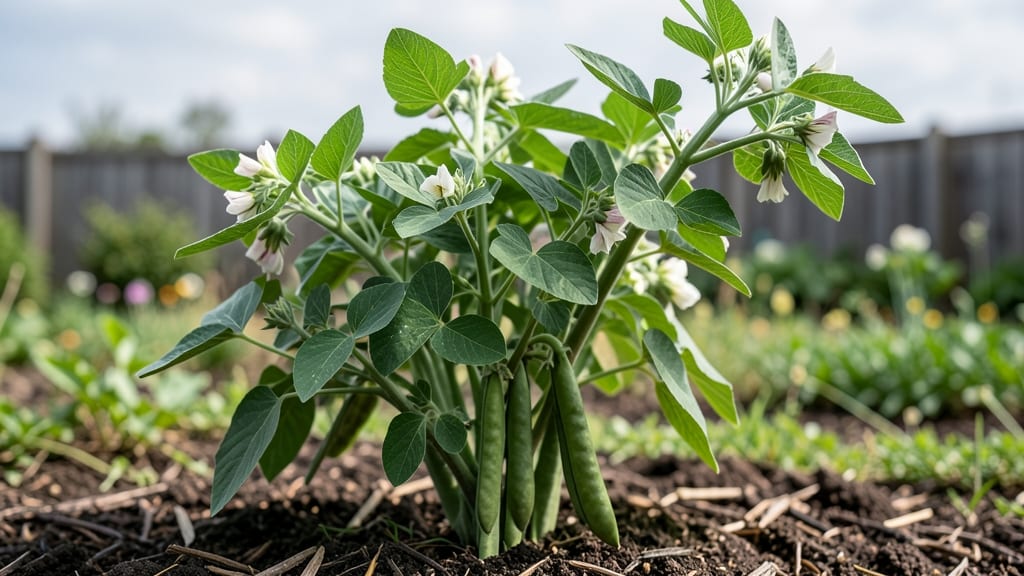
If you're wondering how tall do fava beans grow, you're about to discover why these 🌱 legumes are a gardener's secret weapon—and how to plan your space for maximum success.
Fava beans can stretch from modest 2-foot bush varieties to towering 6-foot poles, depending on the type you choose. That means your garden could soon be home to either a neat ground cover or a dramatic vertical display—both packed with nitrogen-fixing benefits and edible pods.
But here's the game-changer: pole varieties need sturdy trellises to reach their full height, while bush types thrive without support. I'll show you how to pick the perfect variety for your space and get the most out of your harvest.
Whether you're working with limited square footage or dreaming of a lush vertical garden, understanding these growth habits is the key to a thriving fava bean patch—no guesswork required.


Fava bean height by variety: pole vs bush growth comparison
Fava beans (Vicia faba) offer a fascinating range of heights depending on the variety you choose. The most dramatic difference lies between pole varieties and bush varieties. Understanding these distinctions is key to planning your garden layout and maximizing your harvest potential.
Pole fava beans are the tallest climbers in the legume family, often reaching 6 to 10 feet tall when given proper support. These varieties are perfect for vertical gardening and can transform small spaces into productive growing areas.
Bush varieties, on the other hand, stay much shorter at 2 to 3 feet tall, making them ideal for ground covers or container gardening.
Here’s a quick comparison to help you visualize the differences:
Pole varieties like 'Aquadulce Claudia' or 'Long Pod' are excellent choices if you want to maximize vertical space. These vining plants will send out tendrils that latch onto any nearby structure, allowing them to grow skyward.
Without support, they’ll sprawl across the ground, but their natural climbing habit makes them perfect for trellising systems.
Bush varieties, such as 'Early Bird' or 'Windsor', are more self-contained and don’t require additional support. Their shorter stature makes them easier to manage in smaller gardens or containers. These varieties are also great for intercropping with other low-growing plants like lettuce or radishes.
When planning your garden, consider the maturity timeline as well. Pole varieties may take slightly longer to reach their full height but often produce larger yields due to their extended growing season.
Bush varieties, while shorter, may mature faster and are ideal for early harvests or cooler climates where growing seasons are shorter.
For small gardens or urban spaces, bush varieties are the clear winner. They require minimal space and can be tucked into corners or mixed with other plants.
If you have a fence, trellis, or pergola, pole varieties will turn your vertical space into a productive growing area while adding a stunning visual element to your garden.
One final tip: Always check the seed packet for specific variety details. Some pole varieties may stay shorter if grown in cooler climates, while bush varieties might stretch taller with extra support. Your local climate and growing conditions can influence height, so don’t hesitate to experiment!
Now that you know the height differences, you’re ready to choose the perfect fava bean variety for your garden. Whether you’re aiming for towering vines or compact bushes, these versatile plants will add beauty and bounty to your growing space. 🌱
Fava bean height by variety: pole vs bush growth comparison
When planning your fava bean garden, knowing the height differences between varieties is crucial. Pole varieties can reach 6-10 feet tall, while bush types stay compact at 2-3 feet. This dramatic difference affects everything from trellis needs to spacing in your garden layout.
The variety you choose directly impacts your harvest potential and garden design. Pole fava beans need vertical support to climb, while bush varieties spread outward. I’ve grown both in my garden, and the difference in space utilization is night and day.
Here’s how these two types compare in terms of height, structure, and yield:
| Variety Type | Mature Height | Structural Needs | Spacing | Yield Potential |
|---|---|---|---|---|
| Pole Varieties | 6-10 feet | Requires trellis | 12-18 inches apart | High (longer vines = more pods) |
| Bush Varieties | 2-3 feet | No support needed | 6-12 inches apart | Moderate (compact growth) |
Pole varieties like 'Aquadulce Claudia' or 'Long Pod' thrive when given vertical space. I’ve seen them climb trellises to 8 feet in a single season, producing an abundance of pods along their vines. These are perfect for small gardens or urban spaces where vertical gardening is key.
Bush varieties, such as 'Early Bird' or 'Windsor', are ideal for ground covers or edging. They don’t require trellises but still produce edible pods and fix nitrogen in the soil. My 2-foot-tall bush plants last year yielded enough pods for a family of four.
If you’re short on space, bush varieties are your best bet. But if you’re willing to invest in a trellis, pole varieties will give you a dramatic vertical display and higher yields. Either way, your soil will thank you for the nitrogen boost! 🌱