
Plants
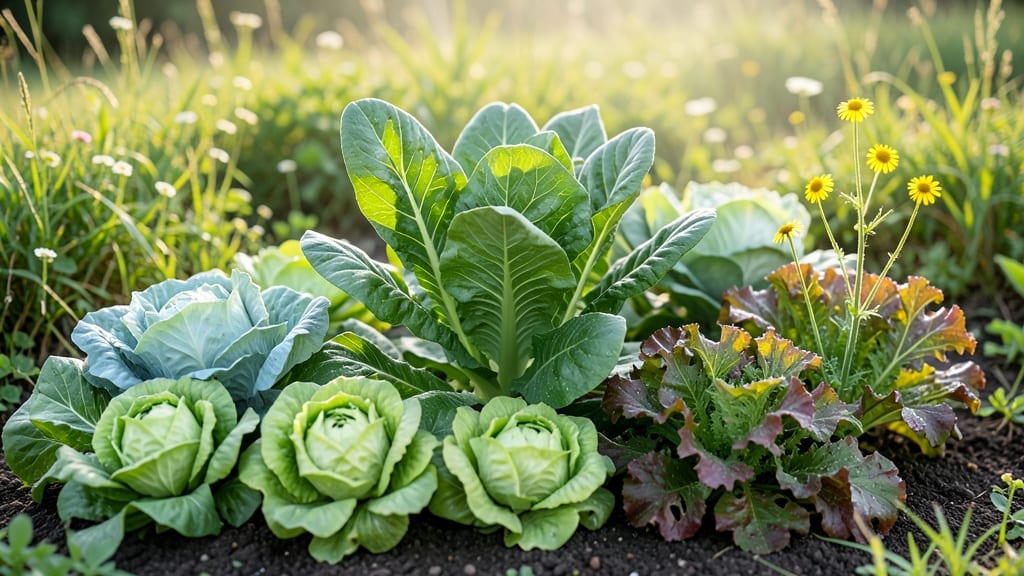
If you're planning your garden this spring, knowing how tall lettuce plants grow could mean the difference between a thriving harvest and a crowded mess. 🥬 Lettuce isn't one-size-fits-all—some varieties stay compact while others reach nearly waist-high, and getting this right affects everything from spacing to sunlight exposure.
Most gardeners assume all lettuce is short, but the truth is far from it. Leaf lettuces like romaine can stretch up to 2 feet tall, while butterhead varieties typically max out around 1 foot.
Even within the same type, growth habits vary, which is why understanding these differences is the key to avoiding overcrowding and maximizing your yield.
Proper spacing isn't just about fitting more plants in—it's about giving each plant room to grow without competing for nutrients or sunlight. Cramped lettuce plants bolt faster, turn bitter, and produce smaller leaves, so getting this right from the start saves you time and frustration later.
In this guide, I'll break down the height ranges for popular lettuce varieties, share spacing rules tailored to each type, and give you actionable tips to keep your garden thriving from seed to harvest. Let's get your lettuce growing the right way.


Lettuce plant height by variety: from dwarf greens to towering romaine
When planning your lettuce garden, understanding lettuce plant height is key to maximizing space and yield. Lettuce varieties range from compact leaf types under 6 inches to tall romaine reaching nearly 2 feet. These differences directly impact your spacing strategy, harvest timing, and even container gardening options.
For example, a baby leaf variety like 'Black Seeded Simpson' stays under 4 inches, while 'Romaine' varieties can grow over 18 inches tall.
Height isn't the only factor—growth habit matters too. Loose-leaf lettuces spread outward, while head varieties grow upright. This affects how you arrange plants in rows or containers.
For instance, butterhead lettuce forms a soft, rounded head that stays under 12 inches, while cos lettuce grows taller but tighter, reaching 10-14 inches. Knowing these distinctions helps you avoid overcrowding and bolting.
Here's the visual comparison you need to plan your garden layout effectively:
| Variety Type | Height Range | Growth Habit | Harvest Time | Space-Saving Tip |
|---|---|---|---|---|
| Loose-Leaf | 4-8 inches | Spreading | 28-35 days | Interplant with taller crops |
| Butterhead | 6-12 inches | Compact head | 45-55 days | Use vertical planters |
| Romaine | 12-24 inches | Tall, upright | 60-70 days | Plant in deep containers |
| Cos/Lombard | 10-14 inches | Tight head | 50-60 days | Stagger plantings |
| Baby Leaf | 2-6 inches | Dense rosette | 21-28 days | Grow in trays |
For small gardens or urban balconies, focus on dwarf varieties like 'Little Gem' (8-10 inches) or 'Salad Bowl' (6-8 inches). These work perfectly in 5-gallon containers or hanging planters.
Meanwhile, taller varieties like 'Parris Island Cos' (18-24 inches) need more vertical space—ideal for raised beds or garden towers. Always check seed packets for mature height estimates, as some heirloom varieties exceed standard sizes.
Another key factor is harvest timing. Shorter varieties like loose-leaf can be harvested in 28-35 days, while romaine takes 60-70 days to reach full height. This affects your planting schedule—successive plantings every 2 weeks ensure a continuous harvest.
For example, if you plant 'Black Seeded Simpson' (4 inches) every 14 days, you'll have fresh greens ready in just 4 weeks without waiting for full maturity.
Height also influences disease risk. Taller varieties like romaine are more prone to tip burn or downy mildew because their leaves stay wet longer. To prevent this, space plants 12-18 inches apart for airflow and avoid overhead watering.
For leaf lettuces, which stay closer to the ground, mulch with straw or shredded leaves to protect from soil-borne diseases while maintaining ideal moisture levels.
If you're growing lettuce in containers, height becomes even more critical. A 12-inch tall romaine needs at least a 12-inch deep pot to support its root system, while a 6-inch butterhead thrives in 8-inch containers.
For vertical gardening, choose compact varieties like 'Outredgeous' (6-8 inches) and train them along trellises or pocket planters. This maximizes your vertical growing space while keeping plants at their optimal height for sunlight exposure.
One common mistake is assuming all lettuce grows the same height. Romaine and cos lettuce can easily reach 2 feet tall, while baby greens rarely exceed 6 inches. This height difference means you shouldn't plant them together without planning.
For instance, in a 12-inch wide raised bed, you could fit 4 romaine plants (with 3-inch spacing) or 8 baby leaf plants (with 1.5-inch spacing). Understanding these proportions prevents
Lettuce plant height by variety: from dwarf greens to towering romaine
Lettuce heights vary dramatically between varieties, with some staying compact enough for container gardens while others reach impressive heights.
Understanding these differences helps you plan your garden layout and maximize space. Leaf lettuces like butterhead and loose-leaf varieties typically stay between 6-12 inches tall, making them perfect for small spaces or succession planting.
On the other end of the spectrum, romaine lettuce and head varieties like iceberg can grow 18-24 inches tall at maturity. These taller varieties need more room to develop their sturdy stems and dense heads.
Even within categories, there are dwarf varieties designed specifically for container gardening or vertical growing systems.
Here's a quick visual reference for common lettuce varieties and their mature heights:
| Variety Type | Height Range | Growth Habit | Best For |
|---|---|---|---|
| Leaf Lettuce (Loose-leaf) | 6-12 inches | Bushy, spreading | Containers, succession planting |
| Butterhead Lettuce | 8-14 inches | Compact, rounded heads | Salad bowls, small gardens |
| Romaine Lettuce | 12-24 inches | Tall, upright stems | Vertical gardens, tall containers |
| Iceberg Lettuce | 12-18 inches | Dense, crinkled heads | Traditional gardens, large beds |
| Dwarf Varieties (e.g., 'Salad Bowl') | 4-8 inches | Extra compact | Balcony gardens, windowsills |
For small-space gardeners, consider vertical growing systems like trellises or tower gardens. Even tall romaine varieties can thrive in deep containers (at least 12 inches deep) with proper support. The key is matching your garden layout to each variety's mature height and growth habit.
Remember that harvest timing also affects perceived height. Many gardeners harvest leaf lettuces when they reach 4-6 inches for baby greens, while head varieties should reach their full height before harvesting. This practice encourages continuous production and prevents bolting (when plants send up flower stalks).
When planning your lettuce garden, always consider succession planting for varieties with different heights. For example, pair dwarf leaf lettuces with taller romaine in the same bed to create a layered, productive space that maximizes your harvest throughout the season. 🥬