
How To
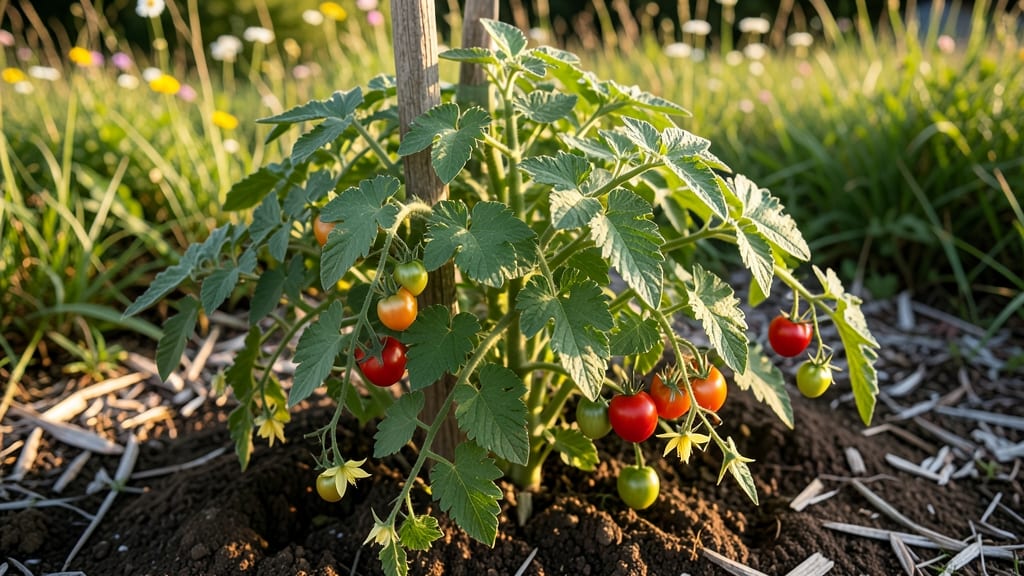
If you’ve ever wondered how tall grape tomato plants grow, the answer might surprise you—these little powerhouses can stretch from compact 2 feet to towering 6 feet depending on the variety and care.
Whether you're dreaming of a balcony garden or a backyard oasis, understanding their growth habits is the key to maximizing your harvest without sacrificing space.
Grape tomatoes like 'Sungold' or 'Sweet 100' are famous for their sweet flavor and bite-sized fruit, but their height varies wildly. Indeterminate varieties (the vining types) can climb like a jungle vine, while determinate (bush) types stay neatly contained.
The good news? With the right pruning and support, even the tallest varieties can fit into containers or small gardens.
For beginners, this means you can grow 6-foot grape tomato plants in a 5-gallon pot if you choose the right dwarf variety or train them properly. I’ll show you exactly which compact types thrive in containers and how to keep them from sprawling all over your patio.
No more excuses—your dream tomato harvest is just a few feet away!
Ready to turn your space into a productive garden? Let’s break down the height differences, space-saving tips, and the best varieties for your setup. You’ll learn how to prune, stake, or cage your plants to control their size while boosting your yield. Let’s get growing!


Grape tomato plant height guide: standard vs. dwarf varieties
Understanding how tall grape tomato plants grow starts with knowing the two main types: indeterminate (vining) and determinate (bush). Indeterminate varieties like 'Sungold' can reach an impressive 6 feet or taller if left unchecked, while determinate types like 'Sweet 100' top out around 3-4 feet.
The difference isn’t just about height—it’s about growth habits, space needs, and even how you’ll harvest your tomatoes.
For container gardeners, this distinction is critical. A 5-gallon pot might work for dwarf varieties but will struggle with an unpruned indeterminate plant. Even in-ground, taller varieties need staking or caging to prevent sprawling and disease.
I’ve grown both types in my own garden, and the difference in maintenance is night and day—especially when space is limited.
Let’s break down the height ranges and space requirements for popular grape tomato varieties so you can choose the perfect fit for your garden.
Whether you’re working with a balcony railing, a large pot, or a backyard bed, knowing these details will help you maximize your harvest without sacrificing space.
Here’s what you need to know about the height differences between standard and dwarf varieties, along with their ideal growing conditions:
| Variety Type | Mature Height | Growth Habit | Best For | Container Size |
|---|---|---|---|---|
| Indeterminate (e.g., 'Sungold', 'Black Cherry') | 4-6+ ft | Vining, requires support | Trellises, cages, large pots | 10+ gallons |
| Determinate (e.g., 'Sweet 100', 'Tiny Tim') | 2-4 ft | Bushy, compact | Containers, small spaces | 5-7 gallons |
| Semi-Dwarf (e.g., 'Gold Medal') | 3-5 ft | Moderate vining | Medium pots, raised beds | 7-10 gallons |
If you’re growing indeterminate grape tomatoes, expect them to keep growing until frost—some varieties can even reach 10 feet if unchecked! These plants thrive on vertical support like tomato cages or trellises, which also make harvesting easier.
For my balcony garden, I use 5-foot cages for 'Sungold' and train them to climb, saving space while keeping the plants off the ground.
On the other hand, determinate varieties are the perfect choice for small spaces. They grow to a fixed height and produce fruit all at once, making them ideal for container gardening.
My 'Tiny Tim' plants stay under 3 feet and fit perfectly in 5-gallon pots on my patio. They’re also less prone to disease because their foliage stays dry and airy.
For those with limited vertical space, semi-dwarf varieties like 'Gold Medal' strike a balance. They grow taller than bush types but don’t require as much support as indeterminate varieties.
These are great for raised beds or larger containers (7-10 gallons) and still produce a bountiful harvest without taking over your garden.
One common mistake I see is assuming all grape tomatoes are the same height. 'Sweet 100', a determinate variety, is often marketed as a "bush" type, but if you don’t prune it, it can still spread out.
Always check the seed packet or plant tag for height ranges—this small step can save you from overcrowding or wasted space.
Pro tip: If you’re growing taller varieties in containers, use self-watering pots to prevent root rot from overwatering. My 6-foot 'Black Cherry' plants in 10-gallon containers stay healthy with consistent moisture and a sturdy trellis. The key is monitoring soil moisture and providing support early to avoid flopping vines.
Ready to pick the perfect variety for your space? Next, I’ll share my top 5 space-saving grape tomato varieties that thrive in containers and how to keep them compact with minimal effort. You’ll be harvesting sweet, bite-sized tomatoes in no time!
Grape tomato plant height guide: standard vs. dwarf varieties
Understanding how tall grape tomato plants grow starts with recognizing the two main types: indeterminate (vining) and determinate (bush). Indeterminate varieties can reach 4-6 feet or more if left unchecked, while determinate types max out at 2-4 feet.
The difference isn’t just about height—it’s about growth habits and space needs. For example, my 'Sungold' vines stretched to 6 feet last summer, but my 'Tiny Tim' stayed neatly under 2 feet.
Container gardeners often struggle with this distinction. A 5-gallon pot works for dwarf varieties but won’t support a sprawling indeterminate plant without proper trellising. The key is matching your space to the variety.
If you’re working with limited vertical room, determinate types or heavily pruned indeterminate plants are your best bet. Even 6-foot grape tomato plants can thrive in containers if you use a cage or trellis.
Here’s the breakdown you need to plan your garden:
| Variety Type | Height Range | Best For | Container Size |
|---|---|---|---|
| Indeterminate (e.g., 'Sungold', 'Black Cherry') | 4-6+ ft | Trellises, cages, large pots | 10+ gallons |
| Determinate (e.g., 'Sweet 100', 'Tiny Tim') | 2-4 ft | Containers, small gardens | 5-10 gallons |
| Semi-Dwarf (e.g., 'Gold Medal') | 3-4 ft | Balconies, raised beds | 7+ gallons |
Pruning plays a huge role in controlling height. Even 6-foot grape tomato plants can be kept to 3-4 feet with regular trimming. I prune my indeterminate varieties weekly, removing suckers (the small shoots between the main stem and branches) to redirect energy to fruit production.
This not only limits height but also improves airflow, reducing disease risk. For determinate types, minimal pruning is needed—they naturally stay compact.
Don’t overlook the importance of support structures. A simple tomato cage (5-6 feet tall) works for indeterminate plants, while a stake or small cage (3-4 feet) suits determinate types.
I’ve seen gardeners use repurposed wire fencing or even bamboo stakes for support—get creative! The right structure turns a sprawling vine into a tidy, productive plant, even in tight spaces.
If you’re growing in containers, root pruning can also help manage height. Gently tease the roots when repotting to encourage a bushier, more compact growth habit. This is especially useful for dwarf varieties that might outgrow their pots if left unchecked.
Pair this with consistent morning watering and balanced fertilizer (like 10-10-10), and you’ll have perfectly sized plants ready for harvest.
Remember, how tall grape tomato plants grow depends on both genetics and your care routine. With the right variety and a little pruning, you can enjoy a bountiful harvest—no matter how small your space.
Start with a dwarf variety if you’re new to gardening, then experiment with taller types as you gain confidence. Your patio (or balcony) will thank you!