
Size
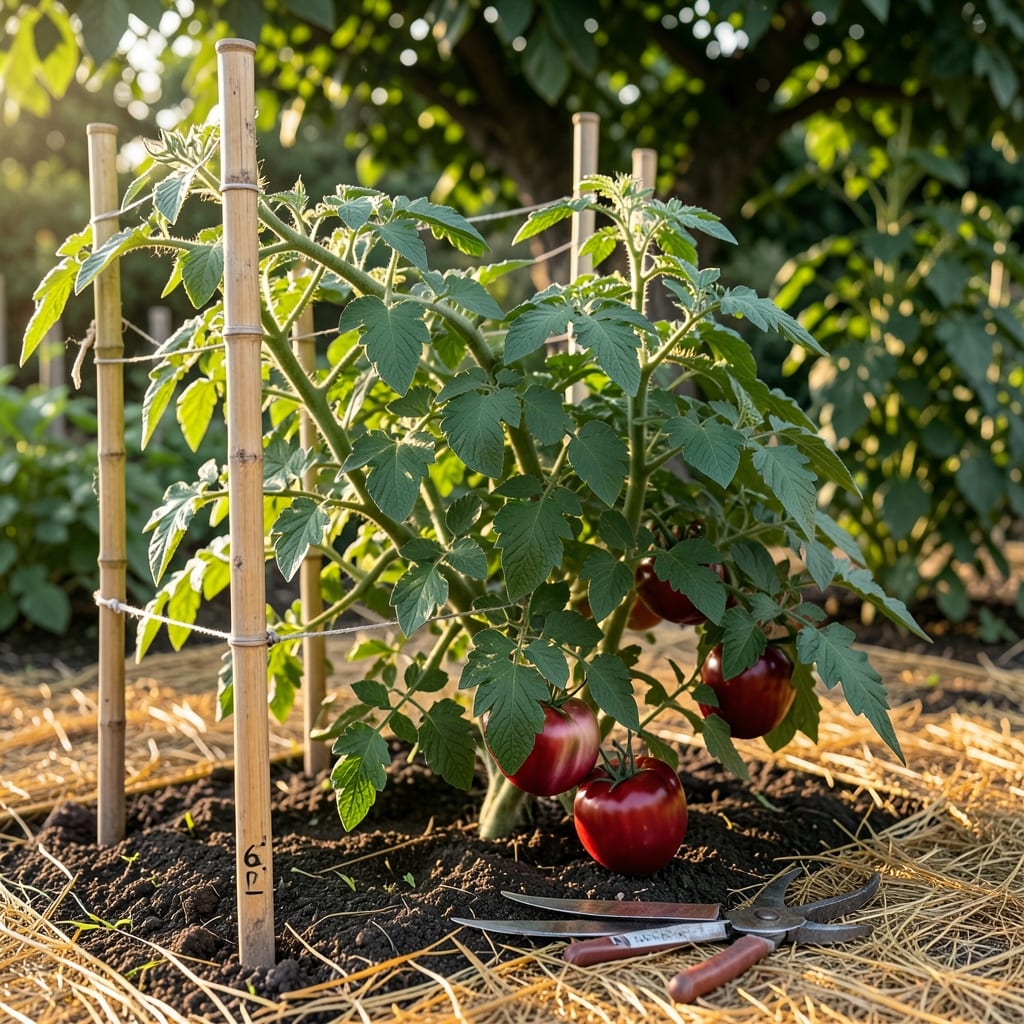
If you're wondering how tall do beefsteak tomato plants grow, the answer might surprise you—these 🍅 giants can easily climb to 6 feet or more without proper support, turning your garden into a vertical jungle of lush vines and massive fruit. That towering growth isn’t just for show; it’s a key part of their indeterminate nature, meaning they keep reaching upward all season long, producing more tomatoes the longer they grow.
But here’s the catch: without guidance, those sprawling vines can become unruly, crowding out other plants or even toppling over under the weight of their own bounty. The good news? With the right pruning techniques and support systems, you can control their height while maximizing your harvest. Whether you’re working with a 3-foot variety like 'Big Beef' or a 6-foot giant like 'Brandywine,' understanding their growth habits is the first step to a thriving tomato patch.
In this guide, I’ll break down the exact height ranges for popular beefsteak varieties, explain how pruning and support structures can shape their growth, and share pro tips to keep your plants healthy and productive. Ready to turn those sky-high vines into a manageable—and delicious—garden feature?
Let’s dive into the world of beefsteak tomatoes, where bigger isn’t just better—it’s a game-changer for your harvest, as long as you know how to handle their impressive vertical ambitions.


Beefsteak tomato plant heights by variety: exact growth expectations
Beefsteak tomatoes are legendary for their massive fruit size—but their height growth often surprises first-time growers. Most beefsteak varieties are indeterminate, meaning they grow continuously until frost, reaching heights between 6 to 10 feet without pruning. Even with pruning, expect 4 to 8 feet of vertical growth, which is why planning your garden layout is crucial.
Determinate beefsteak varieties (like 'Big Beef') stay shorter, typically 3 to 5 feet, making them ideal for containers or small spaces. However, most heirloom beefsteaks—such as 'Brandywine' or 'Cherokee Purple'—will climb like vines if given the chance. Understanding these differences helps you choose the right variety for your space and support system.
Here’s the key distinction: Unpruned beefsteak tomatoes can easily surpass 8 feet, while pruned plants often max out at 6 feet. The difference comes down to how aggressively you manage suckers (side shoots) and main stems. In my Zone 7a garden, I’ve seen 'Brandywine' plants hit 9 feet by late summer—taller than my fence!
If you’re working with limited vertical space, consider dwarf or semi-dwarf beefsteak varieties like 'Mountain Merit' (4–5 feet) or 'Sungold' (3–4 feet). These still produce beefsteak-sized fruit but stay compact. For traditional beefsteaks, plan for at least 6 feet of clearance or invest in a sturdy trellis.
Another factor affecting height is your pruning style. I recommend the open-center method for beefsteaks, where you remove suckers below the first flower cluster. This keeps the plant 30–50% shorter than unpruned but improves airflow and fruit quality. Without pruning, expect uncontrolled vertical growth, especially in warm climates.
Let’s break down the height expectations for popular beefsteak varieties in the comparison table below. This will help you visualize how each grows and plan your garden accordingly.
| Variety | Type | Unpruned Height | Pruned Height | Best For |
|---|---|---|---|---|
| Brandywine | Indeterminate | 8–10 ft | 5–7 ft | Large gardens, trellises |
| Cherokee Purple | Indeterminate | 7–9 ft | 4–6 ft | Heirloom lovers, stakes |
| Big Beef | Determinate | 3–5 ft | 3–4 ft | Containers, small spaces |
| Sungold | Indeterminate | 4–6 ft | 3–5 ft | Balconies, trellises |
| Mountain Merit | Determinate | 4–5 ft | 4–5 ft | Bush gardening, cages |
As you can see, indeterminate varieties like 'Brandywine' and 'Cherokee Purple' are the tallest, while determinate types like 'Big Beef' stay shorter. If you’re growing in containers, opt for dwarf or semi-dwarf varieties to avoid root-bound stress. For in-ground planting, indeterminate beefsteaks thrive when given vertical support like stakes or trellises.
One common mistake is assuming all beefsteak tomatoes grow the same height. In reality, growing conditions play a huge role. For example, my 'Brandywine' plants in full sun and rich compost hit 9 feet, while the same variety in partial shade maxed out at 6 feet. Always account for your local climate and sunlight when estimating height.
For urban gardeners with limited space, consider espalier training to grow beefsteak tomatoes along a wall or fence.
Pruning beefsteak tomatoes for height control: step-by-step guide
Pruning is the secret weapon for controlling beefsteak tomato height while boosting fruit production. Since these plants are indeterminate, they’ll keep growing until frost unless you guide them. The right pruning technique can reduce height by 30–50% while improving airflow and reducing disease risk. I’ve found that regular pruning keeps my 'Brandywine' plants at a manageable 5–6 feet instead of the 8–10 feet they’d otherwise reach.
Timing is everything—start pruning when plants are 12–18 inches tall and have 2–3 sets of true leaves. This is when they begin developing their first flower clusters. Prune in the morning to allow wounds to heal before evening moisture sets in. Use sterilized pruners or clean scissors to avoid spreading disease. I always dip my tools in rubbing alcohol between cuts to keep my plants healthy.
Here’s the step-by-step process I follow for height control:
- 1 Identify the main stem: Locate the central leader (the thickest vertical stem). This is your plant’s backbone and should be preserved.
- 2 Find the suckers: Suckers are side shoots that grow in the leaf axils (where leaves meet the stem). Remove these below the first flower cluster to redirect energy to fruit production.
- 3 Pinch or cut suckers: Use your fingers to pinch off small suckers or make a clean cut with pruners for larger ones. Aim to leave 2–3 main stems for better airflow.
- 4 Prune lower leaves: Remove leaves touching the soil to prevent disease. This also helps sunlight reach lower fruit clusters.
- 5 Repeat weekly: Check for new suckers every 7–10 days during the growing season. Consistency is key to maintaining height control.
The open-center method is my go-to for beefsteaks. Instead of pruning all suckers, I leave 2–3 strong stems to create a bushier but shorter plant. This method works best for varieties like 'Brandywine' and 'Cherokee Purple'. For determinate types like 'Big Beef', minimal pruning is needed—they naturally stay compact.
One common mistake is over-pruning, which can reduce yield. Avoid removing more than 30% of the plant’s foliage at once. Another pitfall is pruning too late in the season, which stresses the plant. I stop heavy pruning by mid-July to allow energy to focus on ripening existing fruit. Always prune above a leaf node to encourage new growth from the right spot.
For urban gardeners with limited space, consider the Florida weave technique. This involves tying the main stem to a trellis or stake and pruning aggressively to keep the plant under 4 feet. It’s perfect for balcony gardens or small patios where vertical space is limited.