
Vegetables
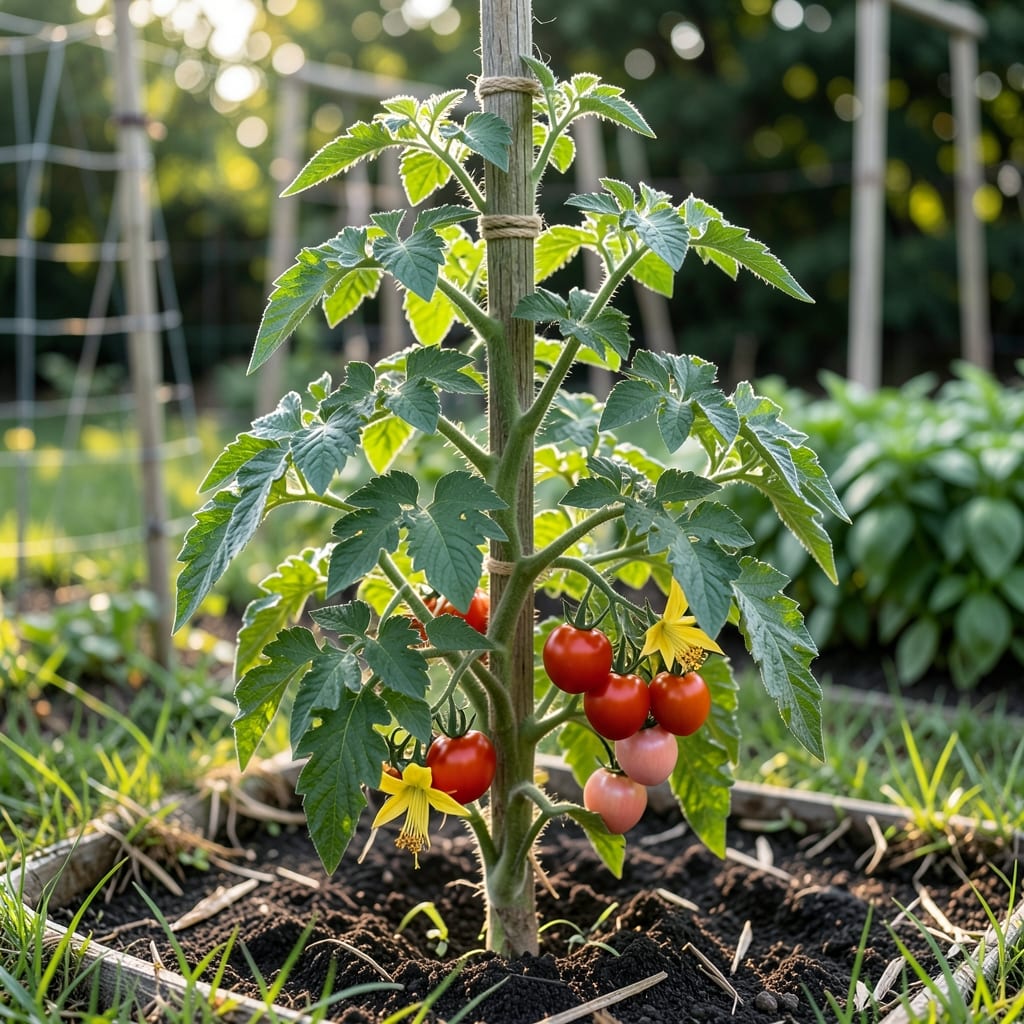
If you're growing a Big Boy tomato plant, you're in for a treat—but first, let's talk about how tall do Big Boy tomato plants grow. This popular variety can reach 6–8 feet or even taller if left unchecked, making it one of the most vigorous indeterminate tomatoes out there. 🍅
That towering growth isn't just for show—it means you'll need to plan for sturdy supports, whether that's a 6-foot cage or a tall trellis. Without proper staking, those heavy vines can topple over, risking fruit damage and lost harvests. The good news? With the right setup, you can maximize space and yield.
But here's the catch: height isn't the only factor. Pruning plays a critical role in managing growth and directing energy toward fruit production. We'll cover how to balance height control with productivity so your Big Boy doesn't outgrow your garden—or your patience.
Ready to turn that vertical growth into a bountiful harvest? Let's break down exactly how tall these plants get, what influences their size, and how to keep them thriving from seedling to July harvest.


Big Boy tomato plant height: exact growth limits and seasonal variations
The Big Boy tomato is an indeterminate variety, meaning it doesn't stop growing at a set height. Under ideal conditions, these plants can reach 8–14 feet tall—yes, you read that right! Without intervention, they’ll climb like a jungle vine, sprawling across your garden if left unchecked. 🌱
Most gardeners see 6–8 feet as the typical mature height, but with perfect care—full sun, rich soil, and consistent watering—some vines stretch even higher. The key is understanding that growth isn’t linear; early-season shoots may only reach 3–4 feet, but by mid-summer, they’ll surge upward dramatically.
Seasonal factors play a huge role. In hot climates, Big Boys grow faster and taller, while cooler regions may see slower vertical growth but denser foliage. Rainfall also matters: drought stress can stunt height, but too much moisture encourages leggy, weak vines that flop under their own weight.
Here’s the catch: height ≠ yield. While these plants love to climb, their energy should focus on producing those beefsteak tomatoes (weighing up to 1.5 lbs each!). Without proper pruning and staking, the plant will waste energy on excessive foliage instead of fruit.
Now, let’s look at the hard numbers. The summary table below breaks down growth expectations by season, so you can plan your garden layout and support systems accordingly.
| Stage | Height Range | Seasonal Notes |
|---|---|---|
| Seedling | 6–12 inches | Slow early growth; focus on root development. |
| Early Summer | 3–5 feet | Rapid vertical growth begins; stake immediately. |
| Peak Season | 6–8 feet | Maximum height; prune suckers to boost fruit production. |
| Late Season | 8–14 feet (if unchecked) | Growth slows; harvest remaining fruit before frost. |
If you’re growing Big Boys in containers, expect slightly shorter heights—5–7 feet—because root space limits their vertical expansion. However, container-grown plants still need tall cages or trellises (at least 6 feet) to support their weight.
One common misconception is that taller plants always mean more tomatoes. Not true! Without proper pruning techniques, a 12-foot vine might produce fewer, smaller fruits. The goal is to balance height with yield—think of it like training a vine to climb a ladder rather than sprawl across the floor.
For gardeners in small spaces, consider dwarf or semi-dwarf varieties like 'Celebrity' or 'Patio Princess,' which max out at 3–4 feet while still delivering big flavors. But if you’re committed to Big Boys, embrace their height—it’s part of their charm! 🌿
Pro tip: Use reflective mulch around the base to redirect sunlight upward, encouraging stronger vertical growth. And always harvest regularly—ripe tomatoes signal the plant to produce more, keeping that vine busy making fruit instead of just climbing.
Staking and pruning Big Boy tomatoes: essential techniques for managing height
Managing the height of Big Boy tomatoes starts with the right staking system. These plants can easily topple over under the weight of their own vines and fruit, so choosing sturdy supports is non-negotiable. A 6-foot tomato cage is a solid baseline, but for plants reaching 8+ feet, opt for a heavy-duty wooden post or metal trellis buried at least 18 inches deep for stability. 🪴
When installing stakes, place them at planting time—waiting until the plant is tall risks damaging roots. Use soft ties (like old T-shirts or horticultural tape) to secure vines gently; tight knots can strangle growth. As the plant climbs, weave the main stem through the trellis and tie it every 12–18 inches to prevent swaying in wind or rain.
Pruning is where the magic happens. Big Boys produce suckers (those little shoots in the leaf axils) that divert energy away from fruit. Remove them weekly—pinch off suckers smaller than a pencil to keep the plant focused on beefsteak tomatoes. Leave 1–2 main stems for better airflow and sunlight penetration, which reduces disease risk.
Warning: Over-pruning can stress the plant. Never remove more than 20% of the foliage at once, or you’ll stunt growth and yield. And never prune during wet weather—open wounds invite fungal infections like early blight. Always use sterilized pruners and work in the morning when foliage is dry. ✂️
⚠️ Common Mistakes to Avoid
- Weak stakes: Bamboo cages bend; use wooden or metal instead.
- Over-pruning: Never trim more than 1/3 of the plant at once.
- Tight ties: Vines need room to grow; use loose, adjustable supports.
- Ignoring suckers: Unchecked suckers = smaller tomatoes and leggy growth.
Pro tip: Train vines in a spiral pattern up the trellis to maximize vertical space and fruit exposure.
For container growers, choose wide pots (at least 18 inches in diameter) with built-in trellises or DIY cages. The key is to balance root space and vertical support—Big Boys in containers still need 6-foot stakes, but their height may max out at 5–7 feet due to limited nutrients.
Finally, harvest regularly to encourage more fruit production. A ripe tomato signals the plant to set new blooms, keeping that 8-foot vine busy making beefsteaks instead of just growing taller. With the right staking and pruning, you’ll turn that vertical growth into a bountiful harvest—not a tangled mess. 🌿
Remember: height control = yield control. Spend 10 minutes weekly on pruning and staking, and your Big Boy will reward you with pound after pound of juicy tomatoes—not just a towering green wall. 🍅