
Trees
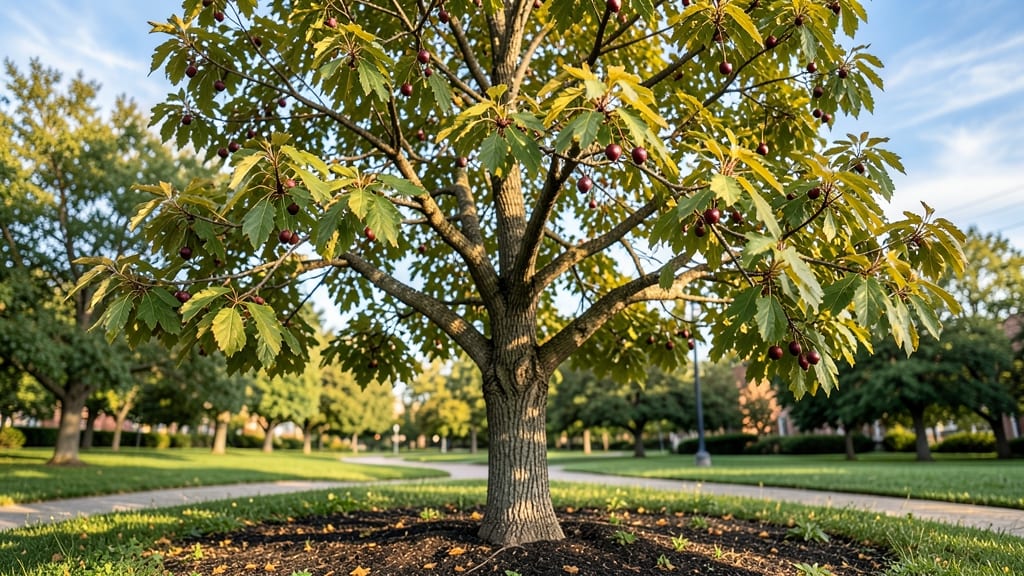
If you're wondering how tall do hackberry trees grow, you might be surprised by just how towering these fast-growing beauties can become—often reaching between 30 and 50 feet at maturity. That’s taller than most two-story homes, making them a statement piece for urban landscapes where space isn’t always abundant.
What’s even more impressive is their growth rate—these trees can shoot up 1 to 2 feet per year, turning your small sapling into a shade-providing giant in no time.
Whether you’re planting one in USDA Zone 6a or further south, their adaptability means they’ll thrive in tight spots while still delivering that lush, mature look.
But here’s the catch: their height isn’t the only factor to consider. Urban planners and homeowners alike love hackberry trees for their low-maintenance nature and ability to handle city conditions, but managing their size early on can save you headaches down the road.
In this guide, I’ll break down everything you need to know—from how tall they really get in different conditions to simple tips for keeping them at your ideal height. Let’s dive in!


Hackberry tree height: mature size, growth rate, and urban adaptability
Hackberry trees (Celtis occidentalis) are fast-growing deciduous trees that can reach impressive heights—typically between 30 to 50 feet at maturity. In ideal conditions, they may even exceed 60 feet, making them a dominant feature in urban landscapes.
Their rapid growth rate of 1 to 2 feet per year means they can quickly fill space, but this also requires careful planning for smaller yards.
One of the reasons hackberry trees thrive in urban environments is their adaptability to compacted soil and polluted air. Unlike many trees, they don’t demand rich, fertile soil, making them perfect for city streets, parks, and small backyards.
Their spreading canopy provides ample shade, but their height can become a challenge if not managed properly.
In native habitats, hackberry trees often grow taller due to fewer space restrictions and better soil quality. However, in cultivated urban settings, their height can be influenced by pruning practices, soil quality, and available sunlight.
For example, a hackberry tree planted in full sun with regular pruning might stay closer to 30 feet, while one left unchecked in a wooded area could reach 50+ feet.
Here’s a quick breakdown of what to expect based on growing conditions:
| Factor | Impact on Height | Notes |
|---|---|---|
| Urban Soil | 30–40 ft | Compacted or polluted soil slows growth slightly. |
| Full Sun Exposure | 40–50 ft | Maximizes growth potential. |
| Partial Shade | 25–35 ft | Slower growth, denser foliage. |
| Pruned Regularly | 20–30 ft | Ideal for small yards or power line clearance. |
| Wild/Unmanaged | 50–60+ ft | Natural growth with no height restrictions. |
If you’re planting a hackberry tree in a small urban yard, consider its mature height early in the planning process. For instance, a 30-foot hackberry can easily outgrow a two-story house, so positioning it near driveways or sidewalks requires extra caution.
In contrast, hackberries planted along streets or larger parks can thrive without height restrictions, providing year-round shade and wildlife habitat.
Another key factor is the root system of hackberry trees. While they don’t have aggressive roots like willows or silver maples, their spreading roots can still encroach on foundations or sewer lines if planted too close to structures.
Always maintain a safe distance of at least 15 feet from buildings and 20 feet from septic systems to avoid future issues.
For those in colder climates (USDA Zones 3–9), hackberry trees are highly cold-hardy and won’t experience height stunting due to frost. However, in warmer zones, their growth rate may accelerate, leading to faster height increases.
If you’re in a suburban area, you might see your hackberry reach 40 feet in just 20 years, compared to 30 years in cooler regions.
One of the biggest misconceptions about hackberry trees is that they’re low-maintenance but uncontrollable. While they’re drought-tolerant once established, their height can become unmanageable without regular pruning. If left unchecked, branches can overhang sidewalks, damage roofs, or even interfere with power lines.
That’s why many urban planners recommend pruning in the first 5–10 years to shape the tree and control its growth.
If you’re torn between a hackberry and other fast-growing shade trees, consider its height flexibility. Unlike silver maples (which can grow 70+ feet) or weeping willows (which can reach 50 feet but are messier), hackberries offer a balanced height that’s easier to manage.
Their moderate growth rate and adaptability make them a smart choice for urban landscapes where space is limited.
Ready to plant? Start by choosing a location with full sun and well-draining soil, then monitor its growth closely in the first few years. With the right care, your hackberry can become a stunning, shade-providing centerpiece—without taking over your yard! 🌳
Hackberry tree height: mature size, growth rate, and urban adaptability
Hackberry trees (Celtis spp.) are fast-growing shade trees that can reach 30 to 50 feet tall at maturity, making them ideal for urban landscapes where space is limited but shade is needed.
Their rapid growth rate—typically 1 to 2 feet per year—means they can quickly fill large gaps in your yard or provide instant shade over patios and driveways.
In urban environments, hackberry trees often grow taller and leaner due to competition for sunlight and space.
For example, a hackberry planted along a city sidewalk might stretch toward the sky to maximize light exposure, while one in a suburban yard with more room may develop a fuller, wider canopy.
Their adaptability to polluted air and poor soil makes them a top choice for cities like Chicago, New York, and Los Angeles.
| Stage | Height Range | Growth Rate | Urban Adaptability |
|---|---|---|---|
| Year 1 | 5 ft | 5 ft/year | High (tolerates compacted soil) |
| Year 3 | 15 ft | 1-2 ft/year | Moderate (needs sunlight) |
| Mature (10+ years) | 30-50 ft | Slower (0.5-1 ft/year) | Excellent (drought-tolerant) |
One of the biggest advantages of hackberry trees is their versatility in height control. While they can grow tall and majestic, their branches are relatively flexible, allowing them to bend in strong winds—a critical feature for urban areas prone to storms.
Their shallow root systems also make them less invasive than some other fast-growing trees, reducing the risk of damaging sidewalks or foundations.
If you're planting a hackberry in a small yard, consider spacing it at least 20 feet away from structures to avoid future issues with overhanging branches.
In larger landscapes, they thrive as specimen trees, offering year-round interest with their distinctive warty bark and small, edible berries that attract birds. Their moderate drought tolerance once established means they require less water than many ornamental trees, making them low-maintenance.
For wildlife enthusiasts, hackberry trees are a game-changer. Their berries provide food for birds, squirrels, and other wildlife, while their dense foliage offers shelter and nesting sites.
In urban forests, they play a key role in biodiversity, often outcompeting invasive species while supporting local ecosystems. If you're aiming for a low-maintenance, eco-friendly tree, the hackberry is a top-tier choice—just be prepared for its impressive height over time!
To maximize your hackberry's potential, plant it in well-draining soil with full sun exposure and mulch around the base to retain moisture. Avoid waterlogged areas, as their roots are sensitive to root rot.
With proper care, your hackberry could become a stunning centerpiece in your landscape—towering over your neighbors’ yards while requiring minimal effort to maintain.