
How To
Kentucky pole bean height: the science behind their vining growth
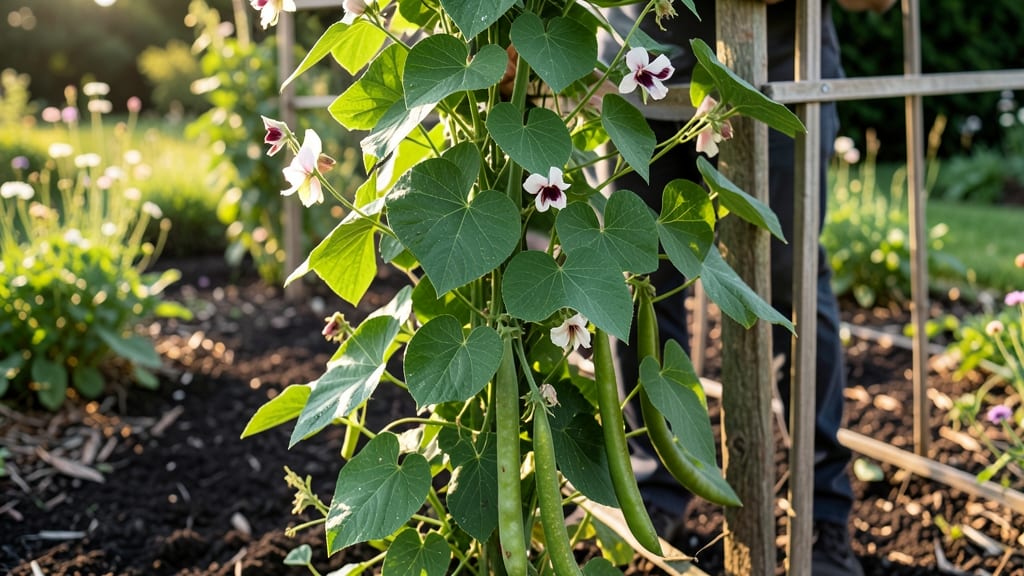
Kentucky pole beans are legendary for their rapid vertical growth, often reaching heights that dwarf other garden vegetables. These vining powerhouses can climb 10 to 15 feet (or even taller in ideal conditions), making them perfect for trellises, fences, or even pergolas.
Their growth rate is impressive—under optimal conditions, they can shoot up 1 to 2 feet per week once established, turning your garden into a lush green wall in just a few months.
Their height isn’t just about show, though. This vigorous climbing habit helps them maximize sunlight exposure and improve air circulation, reducing the risk of fungal diseases that plague bush varieties. The secret lies in their tendrils and twining vines, which latch onto any support structure with remarkable tenacity.
Without proper support, these beans will sprawl wildly, potentially smothering nearby plants or creating a tangled mess.
Here’s where things get interesting: Kentucky pole beans aren’t just tall—they’re architects of vertical space. Their bush counterparts, like Kentucky Blue, stay compact at just 2–3 feet tall, making them ideal for smaller gardens. But pole beans?
They’re the skyscrapers of the bean world, turning limited garden real estate into a productive vertical garden. This makes them a favorite for urban gardeners, container growers with tall trellises, and anyone looking to double their harvest in the same footprint.
🌱
| Growth Factor | Kentucky Pole Bean Details |
|---|---|
| Mature Height Range | 10–15 feet (can exceed 18 feet with ideal support) |
| Growth Rate | 1–2 feet per week (spring/summer) |
| Vine Structure | Twining vines with tendrils for climbing |
| Support Needs | Trellis, fence, or sturdy pole (minimum 10 feet tall) |
| Time to Reach Max Height | 60–75 days from planting |
| Key Growth Trigger | Full sun (6+ hours daily) + consistent moisture |
If you’re planning your garden layout, here’s a critical tip: Kentucky pole beans need strong, stable support from day one. Weak or flimsy trellises will snap under their weight, especially during wind or rain.
I recommend using T-posts with wire mesh or a heavy-duty wooden trellis for the best results. The deeper the roots anchor, the more robust the vine will grow—so don’t skimp on soil preparation!
Another fascinating aspect of their growth is how they prioritize vertical expansion over bushy foliage. Unlike bush beans, which focus on compact growth and leaf production, pole beans channel energy into climbing.
This means you’ll see fewer leaves but longer, straighter vines that can produce beans all the way up the trellis. For gardeners with limited space, this is a game-changer—you’re essentially stacking harvests like a vertical salad bar.
For those in cooler climates (USDA Zones 4–6), growth may slow slightly, but with a long growing season, you can still expect vines to reach 8–12 feet.
In warmer zones (7–10), however, these beans can grow even taller—sometimes 18 feet or more—if given the right conditions. The key is to start seeds early (after the last frost) and provide consistent care to encourage that explosive growth.
One common misconception is that taller vines mean fewer beans. Not true! In fact, well-supported pole beans often produce more pods than bush varieties because they spread out their harvest over a longer period.
The trade-off? You’ll need to train the vines carefully and prune regularly to avoid overcrowding. More on that in our next section—but for now, remember: height equals harvest potential when done right.
🌿
So, how do you know if your garden is ready for these vining giants? Ask yourself: Do you have a trellis or fence at least 10 feet tall? Can you commit to weekly watering and pruning?
If the answer is yes, you’re in for a bountiful vertical harvest that’ll make your neighbors green with envy. And if your space is limited, don’t worry—we’ll cover space-saving strategies in the next section!
Bush vs pole Kentucky beans: height comparison and growing strategies
When comparing Kentucky pole beans to their bush bean cousins, the height difference is dramatic. Pole varieties like Kentucky Wonder can soar to 10–15 feet, while bush types like Kentucky Blue max out at just 2–3 feet.
This vertical leap changes how you plan your garden layout, trellis needs, and even harvest strategies.
The vining habit of pole beans isn’t just about height—it’s about efficiency. Their tendrils latch onto supports, allowing them to spread horizontally up to 6 feet while climbing vertically.
This means a single plant can produce more pods per square foot than bush varieties, making them ideal for small spaces with vertical gardening.
Here’s how the two types stack up in key areas:
If you’re working with limited space, pole beans win for productivity—but they demand sturdy trellises. A 12-foot tall teepee or chain-link fence works perfectly, while bush beans thrive in 5-gallon containers or raised beds without support.
For urban gardens, pole beans let you grow more beans in less ground space.
Pruning is another game-changer for pole beans. By trimming side shoots to focus energy on the main vine, you can increase pod production and keep vines manageable. Bush beans, however, benefit from regular deadheading to encourage bushier growth and more pods at once.
For maximum height control, choose dwarf pole varieties like Kentucky Blue Pole, which top out at 8–10 feet. These are perfect for smaller trellises or balcony gardens while still offering the climbing benefits.
Pair them with companion plants like marigolds or radishes to deter pests and improve soil health.
🌱